Tea extract production is not simply a matter of soaking tea leaves in hot water. Manufacturers need to release the desired soluble components from the plant material while maintaining a consistent extract profile. The structure of the tea leaf can make this more challenging. Cell wall components, including pectin, can restrict the movement of the extraction medium and limit how efficiently soluble material is released.
This is where pectinase enzymes can have a practical role. By acting on pectic substances in plant tissue, pectinase helps loosen the structure of the tea material and makes more of the internal matrix accessible during extraction. When the treatment is properly controlled, it can support better extract recovery while helping manufacturers manage processing time and raw material utilisation.
The Extraction Challenge in Tea Processing
Tea leaves contain numerous water soluble compounds that need to move into the extraction medium during processing. However, these compounds are held within a complex plant structure.
Simply increasing extraction temperature or extending the extraction period is not always the ideal solution. More intensive conditions can affect the characteristics of the extract and may increase energy or processing requirements.
The condition of the raw material also matters. Leaf size, degree of processing, moisture and cellular structure can all influence how quickly water penetrates the material.
A more targeted approach is to address the plant structure itself.
Pectin is one of the structural materials present between plant cells. Its breakdown can reduce some of the resistance that limits extraction. Pectinase therefore provides a biological route for modifying the tea matrix before or during extraction.
Where Pectinase Fits into Tea Extraction
Pectinase is most useful when the extraction process is being limited by the structure of the plant material.
During treatment, the enzyme hydrolyses pectic substances. As these materials are broken down, parts of the plant matrix become less compact. This can allow the extraction medium to penetrate the tea material more effectively.
The objective is not to completely break down the tea leaf. Instead, the treatment is designed to create sufficient structural modification to improve access to the soluble fraction.
This makes pectinase a processing aid rather than a replacement for the core extraction process.
The enzyme works alongside factors such as water temperature, agitation, particle size and extraction time.
From Plant Structure to Extract Recovery
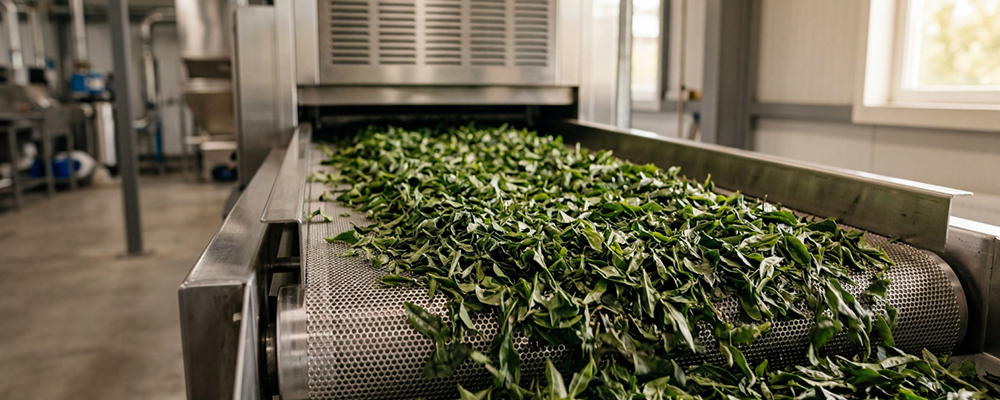
The relationship between pectin breakdown and extract yield is important.
A tea leaf with a relatively intact cellular structure can restrict the movement of water into its internal regions. Some soluble material may consequently remain trapped within the plant matrix.
When pectinase acts on the pectic components, the structure becomes more accessible. Water can interact with a greater portion of the material, while soluble compounds can move more readily into the extraction medium.
This can contribute to greater recovery from the same quantity of raw material.
However, the actual effect on yield varies from one extraction process to another. Tea variety, raw material condition, particle size and enzyme treatment all influence the outcome. For this reason, enzyme-assisted extraction should be established through process trials rather than based on a fixed treatment level.
Pectinase and the Release of Tea Solubles
The purpose of tea extraction is to recover soluble compounds that contribute to the characteristics of the final extract.
These include compounds associated with:
- Colour
- Flavour
- Aroma
- Taste
- Soluble solids
- Overall extract strength
Pectinase does not need to act directly on each of these compounds to influence their recovery. Its primary function is to modify the surrounding plant structure.
Once the matrix becomes more accessible, the extraction medium can reach internal areas of the tea material more effectively. This can improve the transfer of soluble components into the extract.
The resulting extract still depends on the wider processing conditions. Enzyme treatment should therefore be viewed as one part of an integrated extraction system.
Improving Extraction Without Simply Increasing Processing Intensity
A common way to increase extraction is to increase temperature, extend processing time or intensify agitation. While these approaches can influence recovery, they are not always the most efficient route.
Enzymatic treatment provides a different mechanism.
Instead of relying entirely on physical conditions, pectinase targets a specific structural component of the plant material. This can help improve accessibility before the extraction process has to become excessively intensive.
For manufacturers, this creates another variable that can be adjusted during process development.
The practical goal is to find the right combination of enzymatic treatment and conventional extraction conditions. The best result may come from moderate enzyme activity combined with an appropriately controlled extraction temperature and time.
Pectinase in Black Tea Extract Production
Black tea is widely used as a raw material for concentrated and instant tea extracts. Its processing characteristics can vary according to leaf grade, origin, processing history and particle size.
These differences influence extraction behaviour.
Pectinase can be evaluated as part of the extraction process where the plant matrix is limiting soluble material recovery. The enzyme can help modify the leaf structure and improve access to the extractable fraction.
For black tea extract manufacturers, the important consideration is not simply obtaining a higher extraction percentage. The resulting extract must also retain the required colour, flavour and strength.
A treatment that increases recovery but produces an unsuitable extract profile would not provide a useful commercial advantage. Process optimisation must therefore consider yield and quality together.
What Happens When the Treatment Is Too Low or Too High?
Enzyme-assisted extraction requires balance.
With insufficient pectinase activity, the structural barrier may not be modified enough to produce a meaningful improvement in extraction. The process may show little difference from conventional treatment.
Increasing the enzyme dosage, however, does not automatically produce proportionally better results. Once the relevant pectic material has been sufficiently affected, additional enzyme may offer limited benefits.
This is why optimisation is more important than simply increasing dosage.
A controlled trial can compare several enzyme levels and treatment periods while measuring extract yield and quality. This helps identify the point at which the process delivers a useful return.
Processing Variables That Shape the Result
Pectinase activity cannot be separated from the conditions of the extraction system.
- Temperature affects the rate of enzymatic activity as well as the overall extraction process. The selected enzyme should be used within its appropriate operating range.
- pH is another important variable. Enzyme activity changes with pH, so the extraction medium needs to provide suitable conditions.
- Treatment time determines how long the enzyme remains in contact with the tea material. The required period depends on the raw material and target result.
- Particle size affects surface area and the accessibility of the plant tissue. Finely prepared material may behave differently from larger particles.
- Tea to water ratio influences how effectively soluble components are transferred into the extraction medium.
These variables should be assessed together during process development rather than optimised individually.
Measuring Whether Pectinase Has Improved the Process
The success of enzyme-assisted tea extraction should be demonstrated through measurable results.
Manufacturers can compare untreated and enzyme-treated samples for:
- Extract yield
- Soluble solids
- Extraction time
- Colour
- Flavour
- Clarity
- Overall consistency
Yield alone does not provide the complete picture.
For example, a process may recover more soluble material but produce an extract with an undesirable colour or flavour profile. Similarly, a small increase in yield may not justify a significantly higher processing cost.
The most useful treatment is therefore the one that provides a commercially meaningful improvement across the relevant quality and efficiency parameters.
Making Better Use of Tea Raw Materials
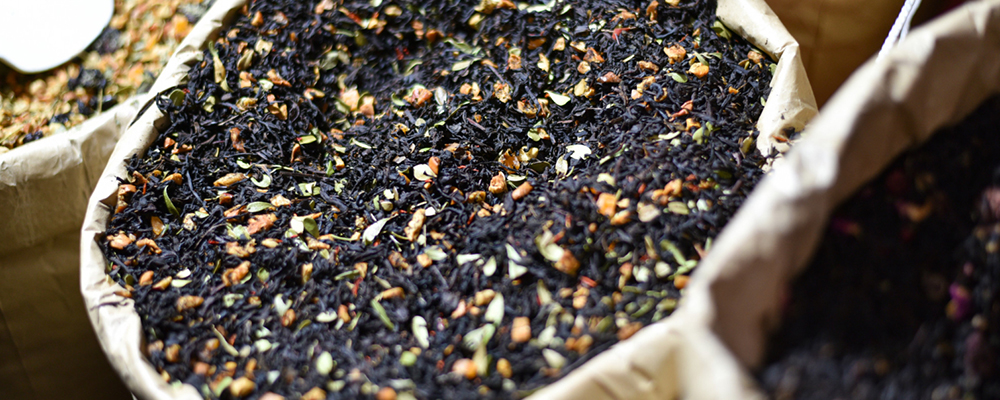
Raw material utilisation is an important consideration in tea extract production. Every increase in recoverable extract can potentially improve the efficiency of the overall process.
Pectinase can contribute by helping manufacturers access soluble material that may otherwise remain within the plant structure.
This becomes particularly relevant in large scale operations where relatively small differences in extraction efficiency can have a significant effect across production volumes.
The enzyme can therefore be evaluated not only as a means of increasing extract yield but also as a tool for making the extraction stage more controlled and predictable.
Building an Efficient Pectinase Assisted Extraction Process
A practical development programme should begin with the characteristics of the tea material and the desired extract specification.
Small scale trials can then examine different combinations of enzyme concentration, treatment time, temperature and pH. The resulting extracts should be compared against a conventional processing reference.
This approach helps answer important production questions:
- How much additional extract can be recovered?
- Does the treatment reduce the required extraction time?
- Does the extract retain the required colour and flavour?
- What enzyme dosage provides the best process balance?
- Can the treatment remain consistent when production is scaled up?
Once the optimum conditions are established, the process can be incorporated into routine production with appropriate monitoring.
Why Controlled Enzymatic Extraction Matters
The value of pectinase in tea extraction lies in its targeted action. Rather than treating the entire extraction process as a problem of temperature or time, manufacturers can address one of the structural barriers within the raw material.
Pectin breakdown can make tea tissue more accessible, helping the extraction medium reach a greater portion of the plant matrix.
When combined with suitable extraction conditions, this approach can support better recovery, efficient processing and more consistent use of tea raw materials.
The key is controlled application. Enzyme selection, dosage and processing conditions must all be matched to the particular tea extraction system.
Conclusion
Pectinase enzymes have a specific role in tea extraction: they break down pectic substances within tea leaf structures to improve accessibility during processing. This structural action can support the release of soluble tea components and contribute to better extract yield and processing efficiency.
For tea manufacturers, the benefits extend to improved raw material utilisation, controlled extraction and more consistent processing. However, successful application requires careful optimisation of enzyme dosage, temperature, pH, treatment time and tea material characteristics.
Biolaxi Enzymes provides pectinase solutions for tea processing applications, supporting manufacturers looking to optimise plant tissue breakdown and extraction performance. With the right enzymatic treatment and controlled processing conditions, pectinase can become an effective part of tea extraction systems designed for efficient recovery and consistent extract quality.