
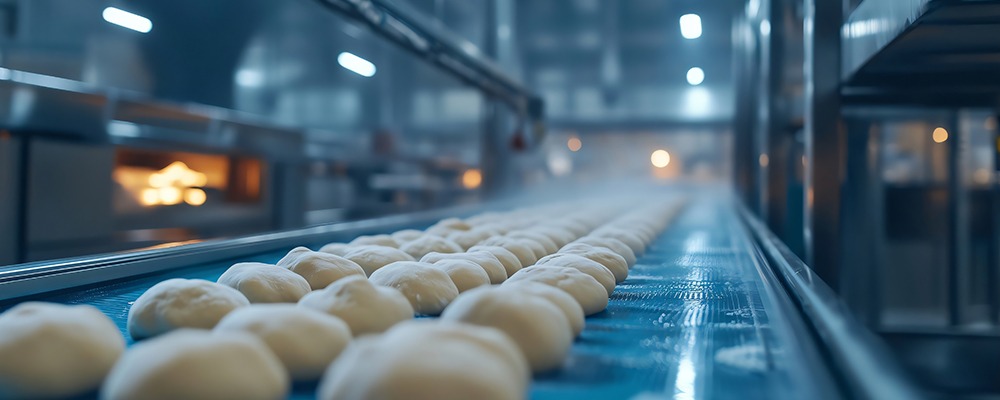
In the world of baking, consistency and quality are the pillars on which every successful product stands. From fluffy breads to delicate pastries, every texture, flavour, and appearance hinges on the quality of ingredients and processes used. But one often overlooked contributor to the success of high-volume baking is the role of enzymes in the production process. Enzymes have become indispensable tools in modern bakeries, playing a pivotal role in enhancing product quality, reducing waste, and optimising production efficiency.
As bakeries scale up to meet growing demands, ensuring that products maintain their quality while increasing output becomes a challenge. This is where multi-enzyme complexes come into play, offering bakeries a competitive edge. These enzyme blends are specifically formulated to target different stages of the baking process, ensuring consistent results across large volumes. By unlocking the full potential of these enzyme complexes, bakeries can streamline production, improve product characteristics, and reduce operational costs.
Understanding the Role of Enzymes in Baking
Enzymes are biological catalysts that speed up chemical reactions, and in the context of baking, they are used to influence dough properties, enhance texture, and improve shelf life. Enzymes work by breaking down complex carbohydrates, proteins, and fats, which leads to improved dough handling, better fermentation, and enhanced flavour profiles.
There are several types of enzymes commonly used in baking, each with a unique function. Amylases, for instance, break down starches into sugars, providing food for yeast during fermentation. Proteases help to modify gluten, improving dough extensibility and reducing its elasticity, which is vital for products like croissants or pizza dough. Lipases are used to enhance flavour, while cellulases can improve dough texture and reduce the need for chemical additives.
In a high-volume baking environment, where consistency and speed are crucial, a single enzyme might not suffice. Multi-enzyme complexes are designed to combine the actions of various enzymes, ensuring optimal results while catering to different aspects of the baking process. These complexes allow bakers to control factors such as dough stability, fermentation rates, and product texture, all of which are essential for maintaining high-quality output in large batches.
The Science Behind Multi-Enzyme Complexes
The creation of multi-enzyme complexes involves the combination of several individual enzymes, each with a specific action, to work synergistically. The advantage of using such a complex lies in its ability to address multiple challenges within the baking process simultaneously. By targeting different components of the dough or batter, these complexes provide a holistic approach to improving baking performance.
One of the key benefits of multi-enzyme complexes is their ability to optimise fermentation. During fermentation, yeast consumes sugars and releases carbon dioxide, which causes the dough to rise. The amylases in the enzyme complex break down starches into simpler sugars, providing a steady supply of fuel for the yeast. At the same time, proteases act on the gluten network, relaxing it and allowing for better gas retention. This results in dough that rises evenly and consistently, reducing the risk of under- or over-fermentation, both of which can affect the final product.
In addition to improving fermentation, multi-enzyme complexes can also contribute to the overall texture and shelf life of baked goods. By enhancing the dough’s handling characteristics, these enzyme blends help reduce the time and effort needed for mixing, kneading, and shaping. This can lead to faster production cycles without compromising on quality. Furthermore, enzymes like cellulases and xylanases break down cell wall components in flour, improving dough stability and texture while extending freshness and preventing staling.
Benefits of Multi-Enzyme Complexes in High-Volume Production
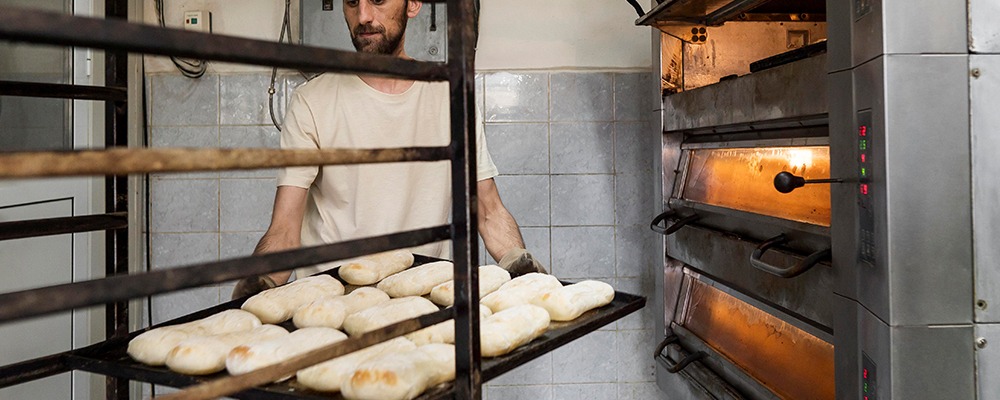
In large-scale baking operations, where thousands of loaves or pastries are produced daily, maintaining product consistency and quality is critical. The use of multi-enzyme complexes offers several advantages in high-volume production settings:
- Improved Consistency and Quality: Multi-enzyme complexes provide consistent results across large batches. Since the enzymes work synergistically, bakers can ensure that each batch of dough behaves the same way, leading to uniform products that meet quality standards.
- Faster Production Cycles: Enzymes reduce the time required for key processes like fermentation and mixing. This can lead to faster production cycles, allowing bakeries to produce more goods in less time. For bakeries with high output demands, this is a critical advantage.
- Reduced Waste: Enzymes help optimise the dough structure and fermentation process, reducing the likelihood of dough defects such as over-proofing or under-proofing. This, in turn, lowers the amount of wasted dough and reduces the need for rework, helping bakeries cut down on production costs.
- Improved Shelf Life: One of the biggest challenges in large-scale baking is ensuring that products maintain their quality throughout the distribution chain. Multi-enzyme complexes contribute to better moisture retention, reducing the likelihood of staling and extending the shelf life of baked goods.
- Cost-Effectiveness: While the initial investment in enzyme complexes may seem significant, the long-term benefits far outweigh the costs. Faster production times, reduced waste, and lower energy consumption all contribute to a more cost-effective operation, ensuring that bakeries can remain competitive in a crowded market.
- Flexibility: Multi-enzyme complexes can be tailored to suit different types of baked goods. Whether you’re producing bread, cakes, pastries, or biscuits, there are specific enzyme blends available to enhance each product’s unique characteristics.
The Future of Enzyme Use in Baking
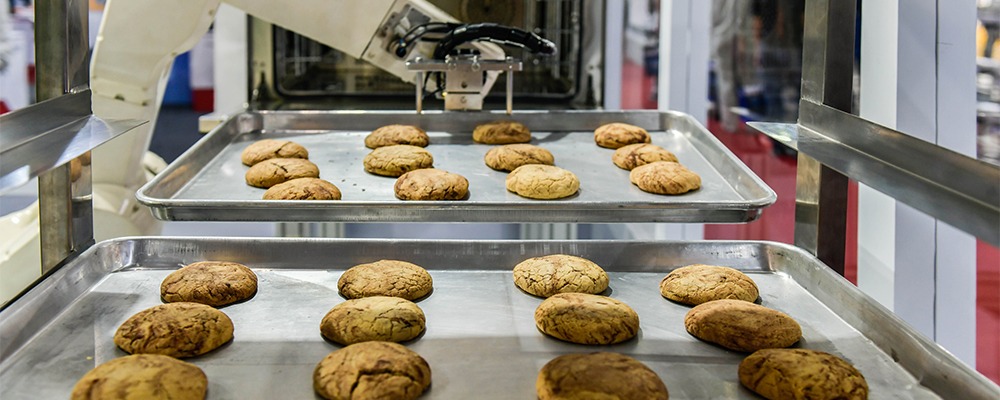
The future of baking is undoubtedly intertwined with advancements in enzyme technology. As demand for high-quality, consistent baked goods continues to rise, so too does the need for innovative solutions that can meet these expectations. Multi-enzyme complexes are an essential part of this future, offering bakers the tools they need to optimise their processes, maintain product quality, and stay competitive.
Moreover, as the food industry continues to embrace sustainability, enzymes play a crucial role in reducing the environmental impact of baking. By improving efficiency and reducing waste, enzyme technologies contribute to more sustainable production practices. This shift towards eco-friendly solutions is aligned with broader trends in the food sector, where consumers are increasingly demanding products that are not only high-quality but also produced with minimal environmental impact.
Conclusion
For bakeries seeking to maximise their potential in high-volume production, multi-enzyme complexes represent a game-changing solution. The ability to improve dough consistency, reduce waste, and enhance product quality while increasing production speed is a compelling advantage. With the right enzyme formulations, bakeries can ensure that every loaf, croissant, or biscuit is of the highest standard, every time.
At Biolaxi Enzymes, we understand the unique challenges faced by the baking industry. With over 14 years of expertise in providing high-quality enzyme formulations, we are committed to helping bakeries unlock their full potential. Whether you are looking to optimise production or improve the quality of your baked goods, our innovative, eco-safe, and custom enzyme solutions are designed to meet your specific needs.