Brewing involves a sequence of carefully controlled processes that turn grains, water and other raw materials into a finished beverage. One of the most important stages takes place before fermentation begins. Starch present in cereal grains must first be converted into smaller sugars that brewing yeast can utilise. This conversion takes place primarily during mashing, where temperature, pH, raw material characteristics and enzymatic activity work together. When starch hydrolysis is well controlled, brewers can achieve a more predictable wort composition and create suitable conditions for consistent fermentation.
Why Starch Conversion Matters in Brewing
Barley is the traditional base grain for many brewing processes, although wheat, maize, rice and other cereals may also form part of the grain bill. These materials contain substantial amounts of starch, mainly in the form of amylose and amylopectin.
Yeast cannot ferment intact starch efficiently. It needs accessible, lower molecular weight sugars instead.
During mashing, starch granules absorb water and become more accessible to hydrolytic enzymes. The long carbohydrate chains are gradually broken into smaller molecules. The resulting wort can contain glucose, maltose, maltotriose and various dextrins, each contributing differently to fermentation and the characteristics of the finished beverage.
The balance is important. A wort with a greater proportion of fermentable sugars can lead to higher attenuation and a drier finish. More dextrins, meanwhile, can contribute body and mouthfeel.
For this reason, starch conversion is not simply about breaking down as much starch as possible. It is about achieving the carbohydrate profile required for the intended product.
Enzymatic Activity During Mashing
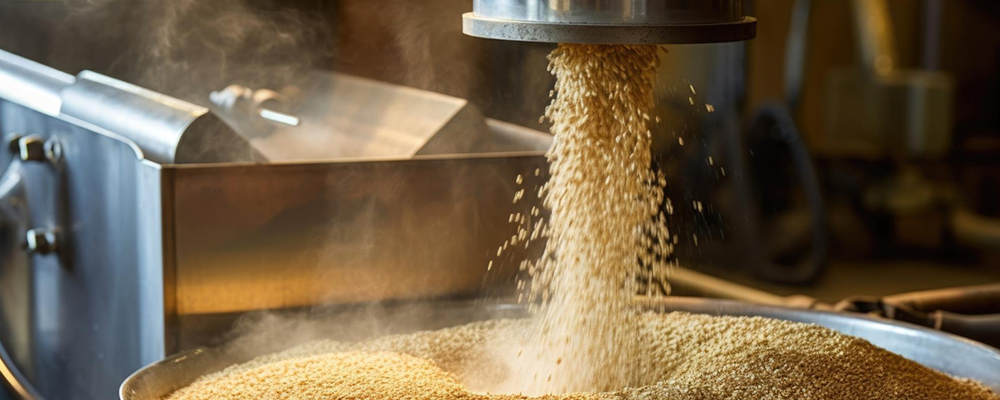
Mashing creates the conditions required for starch gelatinisation and hydrolysis. Once the grain is mixed with water and heated, enzymes naturally present in malt begin acting on the starch.
Alpha amylase and beta amylase are particularly important.
Alpha amylase cuts internal bonds within starch molecules. This produces shorter carbohydrate chains and contributes to the formation of dextrins and fermentable sugars.
Beta amylase takes a different route. It works from the ends of starch chains and releases maltose. Its activity therefore has a direct influence on wort fermentability.
Neither enzyme works independently of process conditions. Their activity depends on factors such as temperature, pH and the physical characteristics of the mash.
That makes process control essential.
Temperature Control and Starch Hydrolysis
Temperature has a major influence on the rate and type of enzymatic reactions taking place during mashing. Different enzymes operate most effectively within different temperature ranges.
Brewers can use controlled temperature rests to favour particular activities. Conditions that favour beta amylase can encourage the formation of fermentable sugars, while higher temperatures can favour alpha amylase activity and promote the breakdown of larger starch structures.
The heating profile also matters. A rapid temperature increase may produce a different result from a carefully controlled ramp. Mash thickness and holding time add further variables.
Too much heat can reduce enzymatic activity. Too little can leave starch insufficiently converted.
Commercial breweries therefore monitor mash temperature closely rather than relying only on fixed processing times. Consistent temperature control helps reduce variation between batches and provides a stronger foundation for predictable wort production.
Managing Mash pH for Consistent Conversion
Temperature is only one part of the equation. Mash pH also affects enzymatic performance and the efficiency of starch conversion.
The starting water chemistry, grain composition and mineral profile can all influence mash pH. Acid additions or other adjustments may therefore be required to maintain suitable processing conditions.
Maintaining the appropriate pH can help enzymes operate effectively throughout the conversion stage. It can also influence other reactions taking place in the mash, including protein degradation and the extraction of soluble compounds.
For larger brewing operations, pH monitoring provides useful process information. If a batch behaves differently from the expected profile, analytical results can help identify whether the cause lies in the raw materials or the process itself.
The Link Between Starch Conversion and Fermentation
Once starch has been converted into fermentable sugars, the wort becomes a suitable substrate for yeast.
This connection is straightforward but important. If starch conversion is incomplete, less fermentable extract may be available for fermentation. That can influence alcohol production, attenuation and the final composition of the beverage.
A consistent wort sugar profile also makes fermentation easier to manage. Brewers can establish expected fermentation patterns and identify deviations more quickly.
Several factors still influence the fermentation itself, including:
- Yeast strain and health
- Pitching rate
- Fermentation temperature
- Nutrient availability
- Oxygen management
- Wort composition
- Fermentation time
Starch conversion does not control all of these variables. It does, however, determine much of the carbohydrate supply available to yeast at the start of fermentation.
When Additional Processing Enzymes Are Used
Malted grains naturally provide much of the enzymatic activity required for starch conversion. Yet some brewing processes introduce additional processing enzymes to address particular manufacturing requirements.
This can be useful when breweries use high levels of adjunct grains or cereals with different starch characteristics. Maize and rice, for example, can behave differently from malted barley during processing.
Additional enzymatic activity may be considered when a brewery needs to manage:
- Incomplete starch conversion
- High mash viscosity
- Reduced fermentable sugar availability
- Difficulties associated with unmalted cereals
- Variations in raw material quality
- Specific wort fermentability requirements
The purpose is not simply to increase enzyme activity. The desired outcome is a controlled carbohydrate profile that suits the fermentation and the final beverage.
Managing Fermentability Through Wort Composition
Fermentability is closely connected to the types and proportions of sugars produced during mashing.
Glucose can be readily consumed by yeast. Maltose is also a major fermentable sugar in brewing. Maltotriose is utilised more slowly, while larger dextrins generally remain after fermentation.
This gives brewers considerable scope to influence the character of the finished product.
A beer designed to have a lighter, drier profile may require a wort with a higher proportion of fermentable sugars. A fuller product may benefit from greater residual dextrin content.
The grain bill and mashing programme therefore need to work together. Enzymatic activity is one part of that relationship.
Raw Material Variability and Brewing Consistency
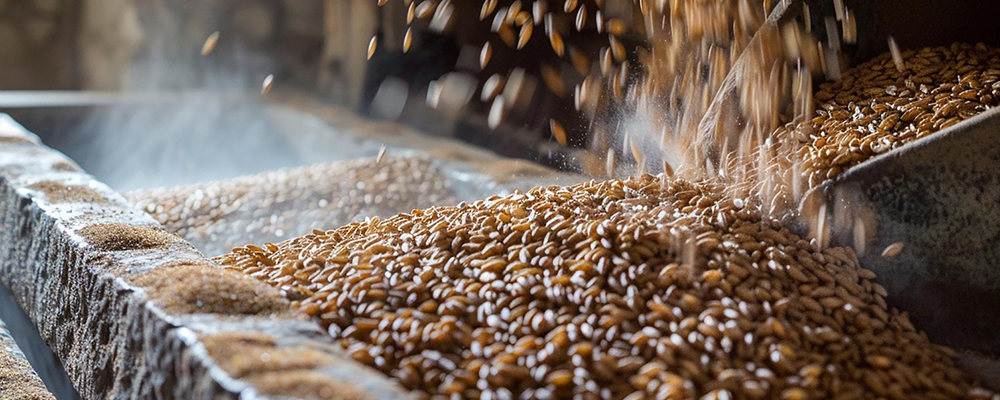
Agricultural raw materials naturally vary. Barley from different growing regions or harvests can differ in starch content, moisture, modification and enzymatic potential.
That variation can affect brewing performance.
Wheat, maize and rice introduce additional differences in starch structure and processing behaviour. Even when a recipe remains unchanged, the raw material itself may not behave exactly the same way from one batch to another.
This is why industrial breweries place considerable emphasis on incoming raw material assessment.
Useful measurements can include:
- Moisture content
- Extract potential
- Starch content
- Diastatic activity
- Grain modification
- Wort gravity
- Fermentable sugar profile
These measurements provide production teams with information that can be used to adjust processing conditions where necessary.
Controlling Mash Viscosity and Wort Separation
Starch is not the only component that can influence mash behaviour. Other plant cell wall materials and polysaccharides may also contribute to viscosity.
High viscosity can create practical processing challenges. Mixing may become more difficult, while filtration and wort separation can take longer.
The issue becomes particularly relevant when breweries use cereals containing higher levels of non starch polysaccharides. These compounds can affect the movement of liquid through the mash and influence downstream processing.
Appropriate enzymatic treatment can help break down certain complex carbohydrate structures. As a result, the mash may become easier to handle and wort separation can become more manageable.
For commercial operations, this matters beyond laboratory efficiency. Processing time, equipment capacity and throughput are all connected to how smoothly the mash moves through the system.
Measuring the Results of Starch Conversion
Effective starch management requires more than observing the mash. Analytical testing provides a clearer picture of what is actually happening.
Brewers can monitor several indicators throughout the process. These include mash pH, temperature, conversion time, wort gravity and extract yield.
Further testing can examine fermentable sugars and residual starch. Fermentation data then provides another layer of information.
Important parameters may include:
- Original gravity
- Fermentation rate
- Apparent attenuation
- Final gravity
- Alcohol content
- Residual carbohydrate levels
When these measurements are tracked over time, production teams can identify trends rather than reacting only to individual batch variations.
That data can also help distinguish between raw material problems and process deviations.
Balancing Conversion with Finished Product Characteristics
Maximum starch conversion is not always the objective.
Brewing is ultimately about producing a beverage with defined characteristics. Excessive conversion may produce a wort that is more fermentable than intended, potentially changing the body and balance of the final product.
A controlled approach is therefore more useful than simply pursuing the highest possible conversion rate.
Brewers may need to balance:
- Fermentability
- Alcohol production
- Residual dextrins
- Body and mouthfeel
- Flavour development
- Raw material utilisation
- Processing efficiency
The appropriate balance depends on the product being manufactured. A single conversion strategy may not suit every brewing style or formulation.
The Role of Enzymatic Control in Large Scale Brewing
As brewing operations increase in scale, small process variations can have a larger commercial impact.
A slight change in wort composition may affect fermentation time. Differences in attenuation can influence finished product specifications. Inconsistent raw material behaviour can also make production planning more difficult.
Controlled enzymatic processing can help breweries manage some of these variables. It provides a means of influencing starch hydrolysis according to the characteristics of the raw materials and the requirements of the process.
However, enzymes should be considered alongside the wider brewing system. Temperature management, pH control, grain preparation, yeast management and analytical testing remain equally important.
Building a More Predictable Fermentation Process
Efficient fermentation begins before the fermentation vessel is filled.
The wort entering fermentation should have a composition that is appropriate for the selected yeast and intended product. That starts with effective grain preparation and continues through controlled mashing and starch conversion.
When the conversion process is consistent, brewers have greater visibility into what is entering fermentation. This makes it easier to establish expected fermentation behaviour and investigate deviations when they occur.
The benefits extend beyond alcohol yield. Consistent wort composition can contribute to more predictable production cycles, easier quality control and better batch-to-batch repeatability.
For enterprise breweries, that repeatability is particularly valuable. A controlled process is easier to monitor, scale and optimise over time.
Conclusion
Starch conversion is a critical link between grain processing and fermentation. The sugars produced during mashing provide the foundation for yeast activity, while the balance between fermentable sugars and dextrins influences both fermentation behaviour and the characteristics of the finished beverage. Temperature, pH, raw material variability, mash viscosity and enzymatic activity all need to be considered when developing a reliable brewing process.
Biolaxi Enzymes provides industrial enzyme solutions that can be incorporated into brewing and beverage processing where controlled starch hydrolysis and carbohydrate conversion are required. Its approach can help manufacturers address specific raw material and process conditions rather than relying on a one size fits all conversion strategy. Combined with appropriate analytical controls, temperature management and fermentation practices, enzymatic processing can form an important part of a consistent and efficient brewing operation.