
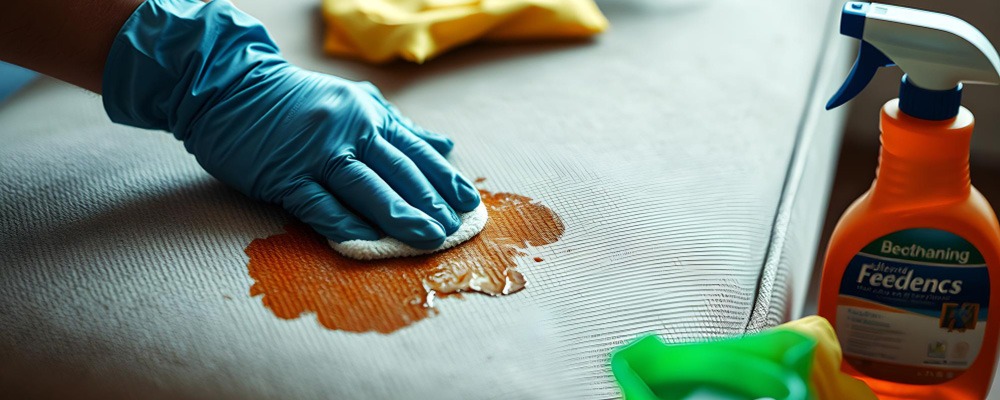
In a world where consumers seek both performance and sustainability, cleaning products are evolving beyond harsh chemicals and generic formulations. The spotlight is shifting to a class of intelligent cleaning agents enzymes. These remarkable biological molecules have transformed the cleaning industry with their precision and eco-friendliness, offering solutions that not only clean effectively but also care for the planet. The concept of targeted cleaning where specific enzymes address specific stains has become a defining feature of modern detergent technology. Unlike traditional chemicals that attack stains indiscriminately, enzymes are highly selective, breaking down only the molecules they are designed to target. This makes them not only efficient but also gentle on fabrics, surfaces, and the environment.
Understanding How Enzymes Work
Enzymes are nature’s own catalysts, proteins that accelerate biochemical reactions. In cleaning applications, they act by identifying and dismantling the chemical bonds that hold stains together. Every type of stain whether from food, grease, or biological materials has a distinct chemical composition. What makes enzymes so revolutionary is their ability to recognise these compositions and act with precision.
When a laundry detergent, for instance, contains proteases, these enzymes seek out protein-based stains such as blood, egg, or grass, and break them down into smaller, soluble molecules that can be easily rinsed away. Similarly, lipases target fat and oil stains, amylases focus on starch-based residues, and cellulases help remove microfibrils and dullness from cotton fabrics, reviving their brightness. The principle is elegantly simple each enzyme is designed to understand its stain, ensuring the cleaning process is both effective and efficient.
The Science Behind Targeted Cleaning
The genius of enzyme-based cleaning lies in its specificity. Traditional cleaning agents often rely on aggressive surfactants or bleaches that strip away dirt indiscriminately, sometimes at the cost of fabric integrity or colour vibrancy. Enzymes, however, bind to their target substrates through a mechanism called the “lock and key” model. This means that an enzyme will only interact with stains that match its active site, leaving other materials untouched.
This targeted approach not only enhances performance but also reduces the need for high temperatures, extended washing cycles, and large quantities of detergent. Enzyme-powered formulations are thus energy-efficient and cost-effective, aligning perfectly with modern sustainability goals. The result is a smarter cleaning solution one that works in harmony with both nature and technology.
Versatility Across Applications
While enzymes are a staple in laundry detergents, their potential extends far beyond household cleaning. In industrial and institutional settings, enzyme formulations are used to maintain hygiene in food processing units, healthcare facilities, and beverage plants. They excel in removing complex organic matter that conventional cleaners struggle with, such as starch residues in breweries or protein deposits in dairies.
In the textile industry, enzymes facilitate bio-polishing, desizing, and scouring processes that prepare fabrics for dyeing and finishing without the need for harsh chemicals. Similarly, in dishwashing formulations, enzymes work effectively at lower temperatures, removing food residues while conserving energy. Across these varied applications, the unifying factor remains the same: enzymes clean with precision, targeting the problem rather than the surface.
Sustainability and Safety
Another compelling advantage of enzyme-based cleaning is its environmental compatibility. Since enzymes are biodegradable and sourced through natural fermentation processes, they pose minimal ecological risk. Unlike phosphates and synthetic additives, they do not contribute to water pollution or bioaccumulation. Moreover, enzyme-based products enable low-temperature cleaning, cutting down on energy consumption and reducing carbon emissions.
From a safety perspective, enzymes are non-toxic and skin-friendly, making them suitable for use in consumer products designed for sensitive users, such as baby detergents or hypoallergenic cleaners. Their mild action ensures fabrics and materials last longer, supporting a circular approach to consumption where durability and care go hand in hand.
Innovation in Enzyme Formulation

Behind every effective enzyme cleaner lies a story of innovation. Modern biotechnology has enabled the development of tailor-made enzymes that perform under varied conditions from hard water and alkaline environments to high-efficiency washing machines. Advanced research is also exploring enzyme complexes that combine multiple catalytic activities, allowing a single formulation to tackle diverse stains simultaneously.
Encapsulation technologies are further enhancing stability and shelf life, ensuring enzymes remain active until they are released during the cleaning process. These advancements have broadened the scope of targeted cleaning, paving the way for next-generation products that are both high-performing and sustainable.
Meeting Consumer Expectations
Today’s consumers are more discerning than ever, looking for cleaning products that deliver results without compromising on safety or environmental responsibility. Enzyme-based solutions meet these expectations beautifully. They offer visible cleanliness, fabric care, and peace of mind, catering to households and industries that value smart, science-backed choices.
The global market for enzyme cleaners continues to expand, driven by growing awareness of green chemistry and regulatory encouragement for biodegradable formulations. Whether in laundry, dishwashing, or specialised industrial cleaning, enzymes have proven themselves indispensable allies in the pursuit of cleanliness and sustainability.
Conclusion
As the world moves towards conscious consumption, targeted cleaning represents a vital step forward one where science and sustainability converge to deliver smarter solutions. Enzymes have unlocked a new era in cleaning, one defined by precision, performance, and care. By understanding the stain rather than overpowering it, they remind us that innovation can be both effective and empathetic.
At Biolaxi Enzymes Pvt Ltd, this philosophy drives every formulation. With over 14 years of scientific and engineering expertise, the company develops customised enzyme solutions for diverse industries, from textiles to food processing. Each product reflects Biolaxi’s commitment to eco-safe, high-quality, and efficient enzyme formulations that help businesses achieve excellence while protecting the environment. Through their advanced research and dependable support, Biolaxi continues to shape the future of targeted cleaning.