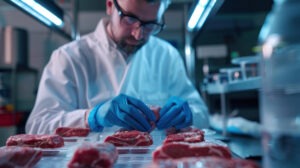
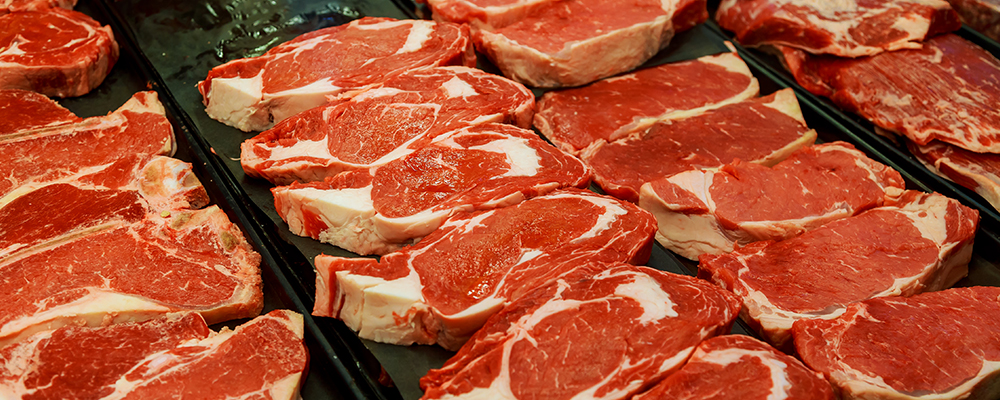
Modern meat processing has evolved dramatically. It is no longer focused only on preservation or production scale. Today, quality defines competitiveness. Texture, tenderness, moisture retention and consistency now play a major role in determining both consumer satisfaction and commercial success.
For processors, this creates a demanding balance. Products must meet rising quality expectations while also maintaining efficiency, reducing waste and maximising raw material value. Even slight inconsistencies in texture can influence product acceptance, brand reputation and profitability. Toughness, dryness or structural instability can quickly reduce perceived quality.
This is where enzyme technology is transforming modern meat processing. Through precise biochemical action, enzymes help manufacturing plants improve tenderness, optimise texture, enhance yield and create more consistent products. Rather than relying solely on mechanical intervention, processors can now use targeted enzyme systems to improve meat quality at a molecular level.
Why Texture and Quality Matter More Than Ever
Consumer expectations have changed. Modern buyers expect meat products to deliver reliable tenderness, appealing mouthfeel and consistent eating quality. Whether purchasing fresh cuts, marinated products or processed meat formats, texture strongly influences perception.
For manufacturing plants, however, raw material variability remains a constant challenge. Factors such as animal age, muscle composition, handling and processing conditions can all affect final quality. This variation can create significant issues.
Common challenges include:
- Tough or chewy texture
- Inconsistent tenderness
- Moisture loss during cooking
- Reduced product yield
- Structural inconsistency in processed products
When multiplied across large production volumes, these issues can directly affect profitability.
The Science Behind Enzymes in Meat Processing
Enzymes are biological catalysts that accelerate highly specific reactions. In meat applications, they are primarily used to modify proteins, connective tissue and structural components in ways that improve processing outcomes.
Different enzymes serve different purposes:
- Proteases support tenderisation through controlled protein breakdown
- Transglutaminase improves protein binding and structural cohesion
- Lipases may contribute to specialised flavour development in selected products
Their power lies in precision. Instead of broad mechanical disruption, enzymes act selectively, improving quality while preserving product integrity.
Improving Tenderness Through Controlled Enzymatic Action
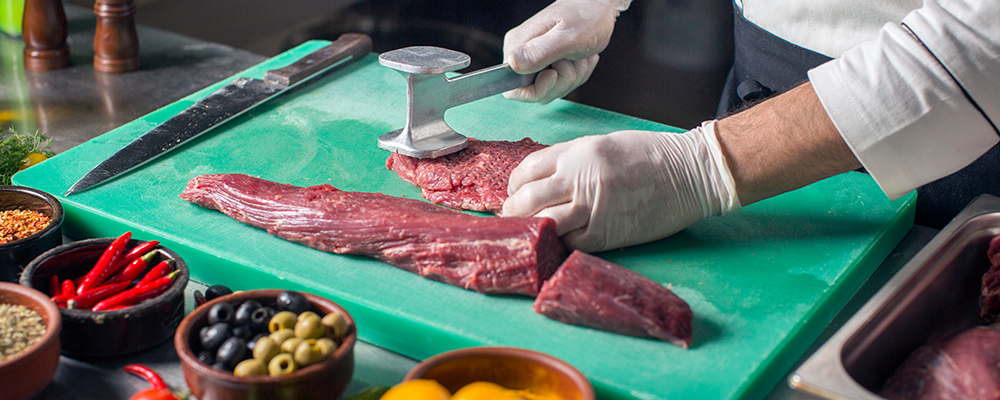
Tenderness remains one of the most important quality indicators in meat processing. Consumers often associate tenderness with freshness, quality and premium value.
Certain cuts naturally contain tougher connective tissues and denser muscle structures. Proteolytic enzymes help address this by breaking down targeted proteins responsible for toughness. This softens texture in a controlled way.
The results can be substantial:
- Improved tenderness
- Better mouthfeel
- Enhanced eating quality
- Greater batch consistency
- Higher value from tougher cuts
This not only improves consumer satisfaction but also increases the commercial utility of a wider range of raw materials.
Enhancing Product Structure in Processed Meat
In processed meat categories such as sausages, nuggets, patties and restructured products, texture consistency is essential. Shape retention, bite quality and structural stability all contribute to product success.
Transglutaminase plays a major role here. By strengthening protein bonds, it helps improve product cohesion and structural performance.
This can support:
- Better binding
- Improved texture uniformity
- Enhanced slicing performance
- Greater shape retention
- Reduced product fragmentation
For manufacturing plants, this creates more control over product formulation and presentation.
Moisture Retention and Yield Optimisation
Moisture retention is another critical factor. Excessive cooking loss affects both sensory quality and economic return. Dry products are less appealing. Lower yield also impacts profitability.
Enzyme systems can help improve protein functionality, supporting better water holding capacity and product juiciness. The commercial benefits are clear.
These include:
- Reduced moisture loss
- Improved juiciness
- Higher finished yield
- Better texture stability
- Increased saleable output
In large scale processing, even modest yield improvements can have major financial significance.
Supporting Innovation in Value Added Meat Products
The modern meat industry is increasingly driven by innovation. Ready to cook, marinated and convenience based products continue to expand across markets.
Enzymes support this shift by enabling greater formulation flexibility. They can improve texture customisation, protein restructuring and consistency in increasingly sophisticated product categories.
This allows processors to:
- Develop premium texture profiles
- Improve marination performance
- Enhance convenience product quality
- Expand product diversification
As consumer demand grows more complex, this flexibility becomes increasingly valuable.
Reducing Reliance on Mechanical Processing Alone
Traditional methods such as pounding, tumbling or blade tenderisation can improve texture, but they may also create uneven outcomes or physical damage.
Enzymes offer a more refined approach. Because they function biologically, they can enhance texture with greater consistency and less structural compromise.
This often results in:
- More controlled tenderisation
- Reduced product damage
- Better processing precision
- Stronger quality consistency
For modern processors, this precision supports both efficiency and product excellence.
Sustainability Through Better Raw Material Utilisation
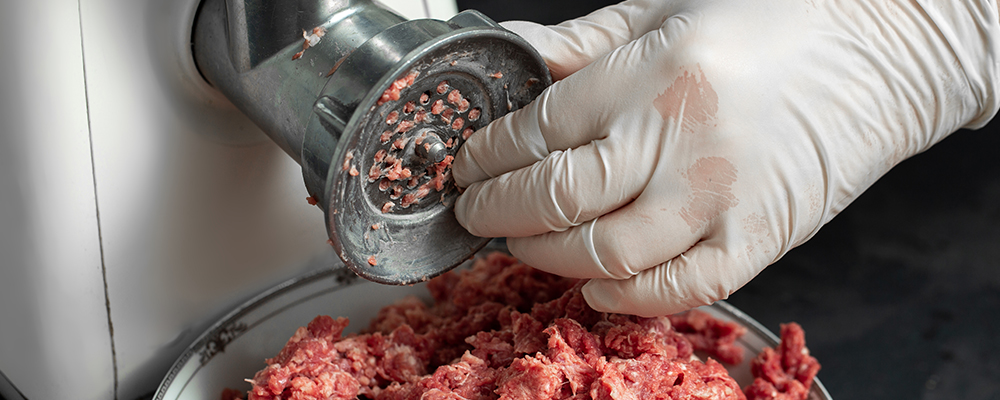
Sustainability is becoming a growing priority across food manufacturing. Enzymes support this by helping processors extract greater value from available resources.
By improving the usability of lower value cuts and reducing losses through better yield, enzymes contribute to more efficient raw material utilisation. This aligns with both commercial and sustainability objectives.
Better processing does not only improve products. It can also improve resource responsibility.
The Future of Enzymes in Meat Processing
Biotechnology innovation continues to advance enzyme performance. Modern research is improving enzyme specificity, process adaptability and industrial stability.
Future developments are expected to deliver:
- Greater precision
- Improved functionality
- Better category specific formulations
- Enhanced operational scalability
As quality standards continue to rise, enzyme technology is likely to become even more central to advanced meat processing systems.
Conclusion
Modern meat processing demands more than production efficiency alone. It requires consistent texture, superior quality, stronger yield and smarter resource utilisation. Enzymes are helping manufacturing plants meet these demands by improving tenderness, enhancing structure, supporting moisture retention and enabling product innovation. Their precision driven role in processing is transforming how meat products are developed and optimised.
Biolaxi Enzymes supports this progress through research based enzyme solutions designed to help manufacturing plants improve product quality, operational efficiency and processing consistency. With expertise in industrial biotechnology, customised enzyme applications and sustainable innovation, Biolaxi Enzymes provides innovative solutions that align with the evolving needs of modern food processing. By combining science, quality and practical industrial performance, Biolaxi continues to support smarter and more efficient processing outcomes across competitive manufacturing environments.