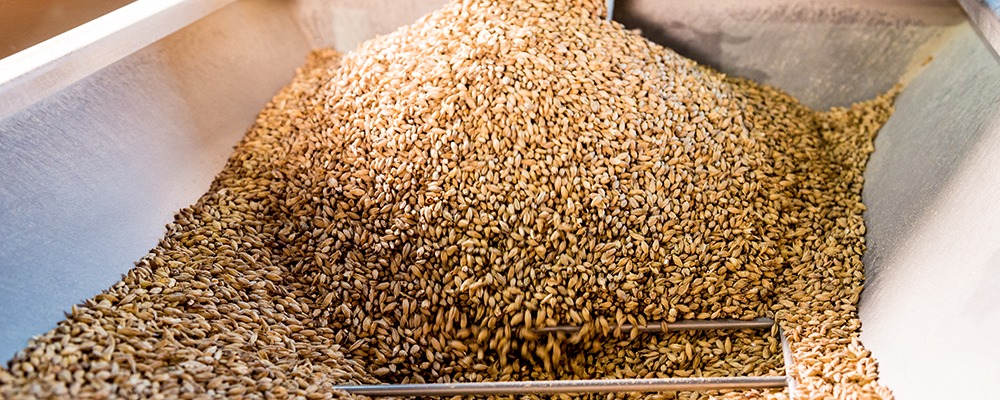
Grain-based industries, particularly distilleries and breweries, rely heavily on the efficiency of mash processing. From breaking down complex starches to ensuring maximum fermentable sugar yield, every step requires precision and consistency. Traditional methods, while effective to an extent, often leave gaps in performance. This is where tailored enzyme formulations have revolutionised the landscape, offering a scientific, eco-friendly, and cost-efficient solution to challenges in grain mash processing.
The Science Behind Grain Mash Processing
Grain mash is the foundation of alcohol production in distilleries and bioethanol plants. The process involves grinding grains into a mash and then breaking down the starches into simpler sugars that yeast can ferment. While the raw grain provides the starch, enzymes act as the key agents that unlock its potential. Without efficient enzymatic action, much of the starch remains inaccessible, lowering yield and increasing costs.
Two primary enzyme types dominate the mash process: amylases and proteases. Amylases break down starch into dextrins and fermentable sugars, while proteases improve yeast nutrition by breaking proteins into amino acids and peptides. Supplementary enzymes such as cellulases and hemicellulases further enhance efficiency by degrading non-starch polysaccharides, ensuring a smoother mash with improved filtration and fewer processing difficulties.
Why Tailoring Enzyme Formulations Matters
Every grain type, whether maize, wheat, barley, or sorghum, brings unique challenges. A standard enzyme formulation may not be sufficient to handle these variations effectively. For example, maize has a high starch content but requires stronger liquefaction, whereas wheat often demands enhanced viscosity reduction due to its higher protein and fibre content. Tailoring enzyme formulations to match the grain profile ensures that the mash is processed with optimal efficiency.
Customisation also addresses process-specific factors such as pH, temperature, and desired alcohol yield. Distilleries may operate under different conditions, and enzymes that work well in one setup may underperform in another. Tailored formulations are designed to withstand the specific processing environment, ensuring consistent results across multiple production cycles.
Benefits of Tailored Enzyme Solutions in Grain Mash
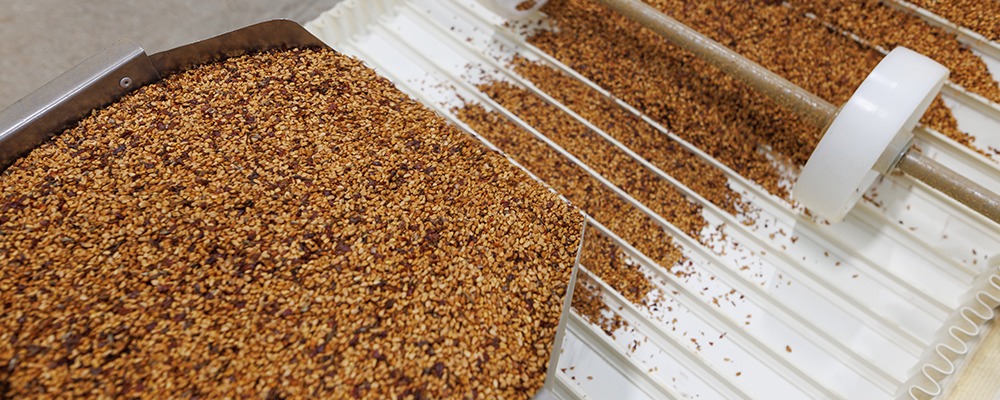
1. Higher Yield of Fermentable Sugars
One of the most significant benefits of tailored enzyme formulations is the increased release of fermentable sugars. By precisely targeting the starch structure of specific grains, customised enzymes ensure maximum conversion, leading to higher alcohol yield.
2. Enhanced Fermentation Efficiency
Fermentation is only as good as the quality of the mash. Tailored enzymes improve yeast nutrition by breaking down proteins and releasing free amino nitrogen, which supports robust yeast growth and activity. This results in faster fermentation, reduced lag time, and fewer inconsistencies in batch performance.
3. Improved Viscosity and Handling
Thick, sticky mash is a common problem in distilleries, making pumping and mixing difficult. Tailored enzyme solutions reduce viscosity by breaking down non-starch polysaccharides, allowing for smoother handling, easier mixing, and improved heat transfer during cooking.
4. Consistency and Reliability
Consistency is crucial in large-scale production. Tailored formulations ensure predictable results every time, regardless of the grain batch variations. This minimises waste, reduces downtime, and enhances overall reliability in operations.
5. Cost Optimisation
While enzymes are an investment, tailored formulations deliver a strong return by lowering overall costs of production. Higher yields, faster fermentation, reduced energy consumption, and fewer operational hiccups all contribute to cost efficiency. In highly competitive markets, these advantages can be decisive.
Sustainability Through Enzyme Innovation
Another critical advantage of enzyme-driven grain mash processing lies in sustainability. Traditional methods often consume excessive energy and chemicals to break down grain starches. Enzyme-based solutions significantly cut down on energy requirements by enabling lower processing temperatures and reducing the need for chemical additives.
Tailored enzymes also contribute to a cleaner fermentation process, lowering effluent load and reducing environmental impact. In industries where sustainability is increasingly linked with competitiveness and compliance, enzymes offer a powerful way to align operations with green goals.
The Role of R&D in Enzyme Development
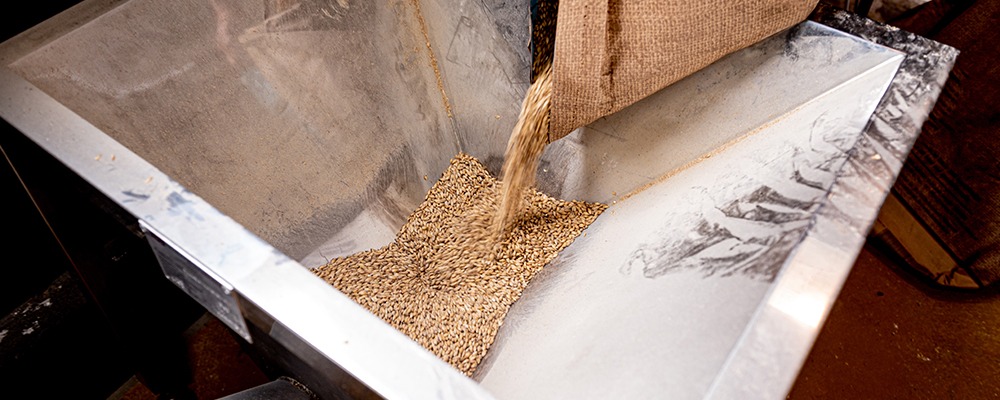
The strength of tailored enzyme formulations lies in research and development. A dedicated R&D team studies the properties of various grains, the challenges faced by processors, and the evolving demands of the industry. By combining biotechnology with engineering expertise, manufacturers can design enzyme blends that meet highly specific requirements.
Advanced tools such as protein engineering and fermentation technology have made it possible to produce enzymes with improved stability, efficiency, and activity under diverse conditions. Continuous innovation ensures that enzymes not only solve existing problems but also open new possibilities for process optimisation.
Future Trends in Grain Mash Enzymes
As the demand for bioethanol grows and distilleries expand their capacity, the role of enzymes will become even more significant. Future developments are likely to include multi-functional enzyme blends that combine the activities of several enzymes into one, reducing the need for multiple additions during processing.
Another emerging trend is the use of immobilised enzymes, which offer enhanced stability and can be reused for multiple cycles. This not only reduces enzyme costs but also improves process control and efficiency. Furthermore, there is a growing push towards enzymes that can function at lower temperatures, further reducing energy consumption.
The integration of digital monitoring tools is also expected to play a role, where enzyme performance can be tracked in real time, allowing for immediate adjustments and ensuring optimal outcomes in every batch.
Conclusion
Streamlining grain mash processing is no longer a matter of chance but of science, precision, and innovation. Tailored enzyme formulations are at the heart of this transformation, ensuring that each grain’s potential is maximised, yields are optimised, and production runs are more consistent. With benefits ranging from higher sugar conversion and improved fermentation to lower viscosity and reduced environmental footprint, enzymes have become indispensable to modern distilleries and bioethanol plants.
Biolaxi Enzymes has been at the forefront of delivering customised enzyme solutions designed to meet the unique needs of grain processing industries. With a strong R&D base, global reach, and years of experience in enzyme formulation, Biolaxi continues to empower producers with tools for efficiency, sustainability, and reliability. For distilleries looking to streamline mash processing and gain a competitive edge, Biolaxi stands as a trusted partner in crafting enzyme-driven excellence.