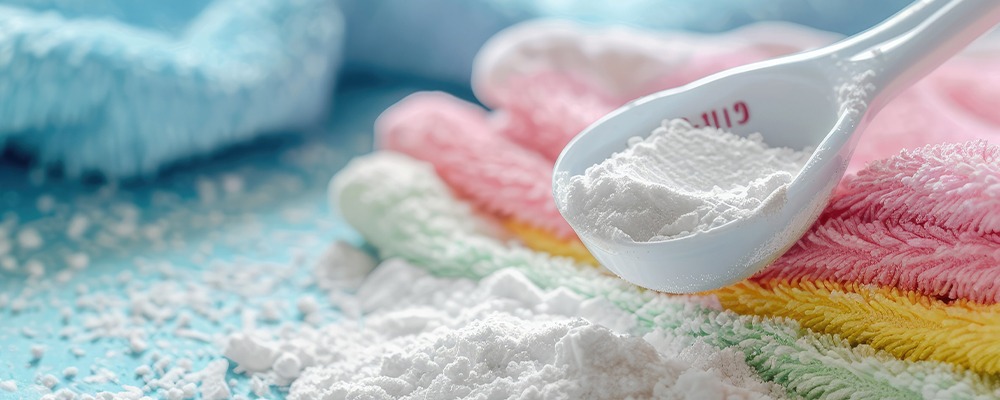
For decades, the textile industry has relied heavily on bleach and other harsh chemicals to achieve whiteness, cleanliness, and product consistency. While effective, these substances come with high environmental and health costs. Chlorine-based and peroxide-based bleaching agents are energy-intensive, require vast amounts of water, and generate toxic by-products. As the global focus shifts to sustainable manufacturing and environmental responsibility, industries are now looking for cleaner, safer alternatives. Enzyme-based textile processing is fast emerging as one of the most promising and practical solutions.
The Problem with Traditional Bleaching
Conventional textile processing often involves multiple chemical treatments that are aggressive in nature. Processes like desizing, scouring, and bleaching rely on synthetic agents that damage fibres, degrade water quality, and pose occupational hazards. Bleach, in particular, contributes to chemical-laden wastewater, toxic fumes, and structural weakening of fabric. These effects are increasingly incompatible with the growing demands for sustainable practices, consumer health, and ecological preservation.
Moreover, with textile buyers and end-consumers becoming more conscious, there is a visible shift towards value-driven production. Quality, longevity, and low-impact methods are now seen as essential rather than optional. This is forcing manufacturers to re-evaluate long-standing processes in favour of cleaner, more efficient solutions.
Enzymes: The Greener Alternative
Enzymes are biological catalysts that trigger specific chemical reactions without being consumed. In textiles, enzymes provide a natural and highly targeted way of breaking down unwanted substances such as starches, oils, waxes, and pectins. Unlike bleach, enzymes do not indiscriminately strip the fabric. Instead, they act on particular impurities, preserving the natural strength, softness, and texture of the material.
Different classes of enzymes are used in each step of processing. Amylases are used in desizing to remove starch-based sizing agents. Pectinases and lipases help eliminate waxes and oils during scouring. Cellulases and laccases assist in bio-polishing and gentle brightening, effectively replacing parts of the bleaching process. These enzymes are biodegradable, non-toxic, and perform efficiently at lower temperatures and neutral pH levels, making them ideal for sustainable textile production.
Multiple Benefits for the Industry
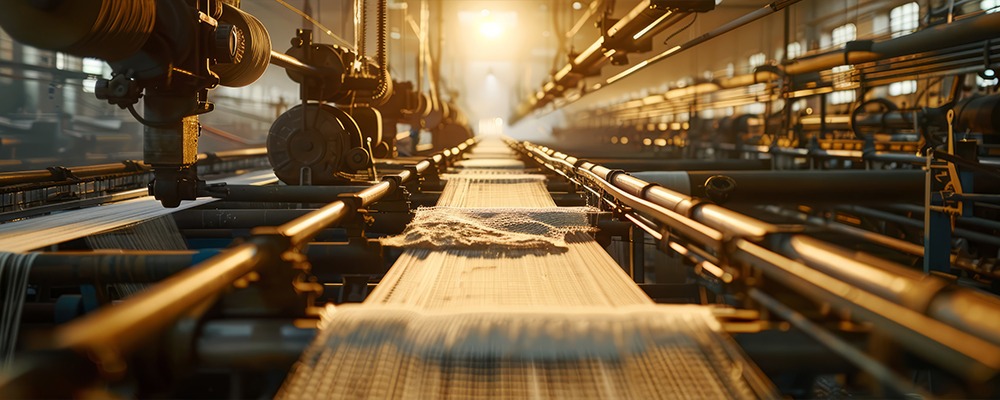
Apart from environmental advantages, enzyme-based processes improve operational efficiency and product quality. Enzymatic treatment requires less water, reduces energy consumption, and shortens processing times. This translates to significant cost savings for manufacturers in the long term.
Additionally, enzymes enhance the feel, finish, and durability of textiles. Fabrics retain their natural elasticity and colour vibrancy, and the risk of overprocessing is dramatically reduced. For cotton and other natural fibres, enzymes improve absorbency and uniformity, making them better suited for dyeing and finishing.
The textile industry, known for its intense water and chemical usage, is also under increasing regulatory pressure to meet wastewater discharge standards. Since enzymes degrade naturally and leave fewer toxic residues, they make it easier for manufacturers to meet environmental compliance without compromising performance.
Technological Innovation and Advancements
Biotechnological advancements have significantly expanded the capabilities of enzyme formulations. Today’s enzymes are more stable and robust, able to function under a wide range of processing conditions. Innovations include enzyme blends designed for multipurpose action, such as simultaneous desizing and scouring, which reduce process steps and chemical load.
Immobilised enzymes, where the enzymes are fixed onto a solid support, are now gaining attention. These can be reused across multiple cycles, offering cost advantages and reduced waste. Researchers are also developing new enzyme strains that mimic or outperform conventional bleach while remaining non-destructive to fibre structure.
The scalability of these innovations is proving that enzyme-based treatments are not just suitable for niche or premium fabrics but are viable across large-scale industrial applications. Textile processors are increasingly opting for enzyme pre-treatments and finishing agents that improve both environmental outcomes and overall efficiency.
A Global Shift in Textile Processing
Globally, more textile manufacturers are recognising the value of adopting cleaner processing methods. Major brands and retailers are encouraging or even mandating greener supply chains, and enzyme technology fits naturally into these new models. Certifications like OEKO-TEX, GOTS, and ZDHC compliance often require restricted use of hazardous chemicals, making enzymes a preferred alternative.
In developing markets as well, awareness around eco-friendly manufacturing is on the rise. As these regions build up their textile infrastructure, enzyme-based systems offer a future-proof approach that balances growth with environmental stewardship. Cleaner wastewater, reduced chemical use, and safer workplaces make enzyme adoption a responsible business decision.
Overcoming the Hesitations
Despite the proven benefits, enzyme technology still faces some resistance. Concerns around unfamiliarity, perceived complexity, and lack of technical support remain. However, many of these barriers are being addressed through knowledge-sharing, training programmes, and application-specific formulations that simplify the transition.
Leading enzyme suppliers now offer turnkey solutions that include trial support, on-site training, and performance monitoring. These services build confidence and ensure smooth integration of enzymes into existing operations. Case studies across the textile world show that once implemented, enzyme-based systems are not only effective but often outperform traditional methods.
A Natural Way Forward
The move away from bleach is more than just a technological upgrade. It reflects a shift in mindset towards sustainable innovation, responsible manufacturing, and long-term value. Enzyme-based processing is no longer just an environmentally friendly choice — it is a commercially intelligent one. As the industry matures, the focus is expected to intensify on practices that support circular production models, lower environmental impact, and enhance product quality.
By replacing aggressive chemicals with intelligent biological solutions, the textile sector can achieve a cleaner footprint while delivering superior results. The tools are already available. What is needed now is awareness, collaboration, and commitment to change.
Conclusion
The journey beyond bleach marks a turning point for the textile industry. Enzyme-based alternatives not only offer a cleaner, safer, and more sustainable option but also provide tangible benefits in terms of product quality and operational efficiency. These solutions hold immense potential to replace outdated methods and create a textile future that aligns with both environmental values and modern market expectations.
At Biolaxi Enzymes, we are proud to support this transformation. With years of dedicated research and global expertise in enzyme formulations, we provide reliable, eco-conscious solutions that meet the exacting needs of textile manufacturers. From desizing to bio-polishing, our enzyme range delivers consistent performance and greener outcomes — a perfect partnership for a cleaner tomorrow.