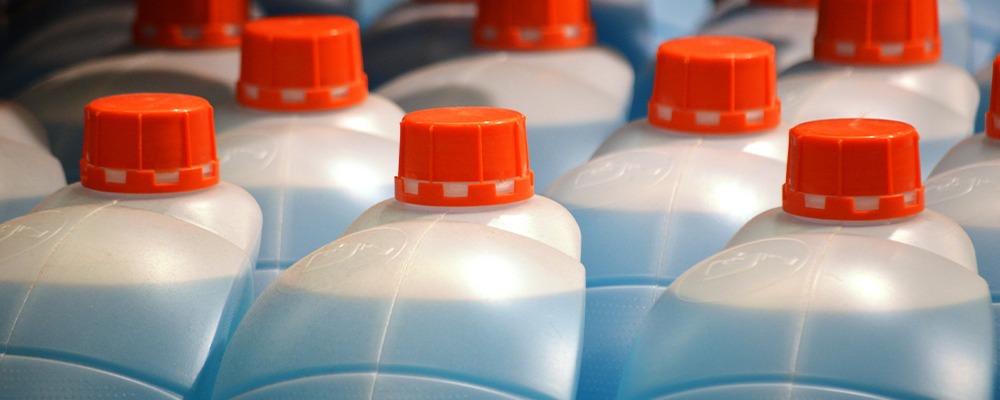
The cleaning products industry is undergoing a major transformation, driven by both consumer demand and environmental responsibility. At the heart of this shift are enzymes, the natural proteins that have quietly revolutionised how detergents work. Once considered niche, enzymes are now taking centre stage as the backbone of modern cleaning solutions. Their ability to deliver excellent cleaning performance while reducing the need for harsh chemicals makes them a game changer for households and industries alike.
What Makes Enzymes So Effective
Enzymes are biological catalysts that speed up chemical reactions. In detergents, they specifically target and break down different types of stains. Each enzyme has a unique role. Proteases break down protein based stains such as food, blood, and sweat. Amylases work on starches left behind by rice or sauces. Lipases handle greasy and oily stains, while cellulases help release dirt from cotton fabrics and restore fabric smoothness.
Unlike conventional cleaning agents that work through general abrasion or high temperature, enzymes offer targeted action. This means they can remove stains more efficiently while preserving the quality of the fabric. They work well even in cold water, making the overall wash process more energy efficient.
Cleaning Power That is Also Kind to the Planet
Traditional detergents rely heavily on chemicals such as phosphates, synthetic surfactants, and bleach. These substances are often harmful to aquatic life and are difficult to remove during wastewater treatment. Enzymes, being naturally sourced and biodegradable, significantly reduce the environmental load. They are effective in low concentrations and break down safely after use.
By incorporating enzymes into detergent formulations, manufacturers can develop products that are safer for users and gentler on the planet. It also allows for the reduction of additives that are commonly associated with skin irritation and chemical build up in water systems.
Better Results with Less Energy
One of the biggest advantages of enzymes in detergent applications is their ability to work at low temperatures. Many households still rely on warm or hot water cycles to achieve good cleaning results. Enzyme powered detergents allow for effective cleaning in cold water, which not only lowers energy bills but also reduces carbon emissions on a broader scale.
Cold washing also protects fabric fibres and colours from damage caused by high heat. This leads to longer lasting clothes, less fabric waste, and a lower overall environmental footprint. With fast fashion and textile disposal becoming global concerns, the role of enzymes in fabric care is more important than ever.
Enzymes in Multi Purpose Detergents
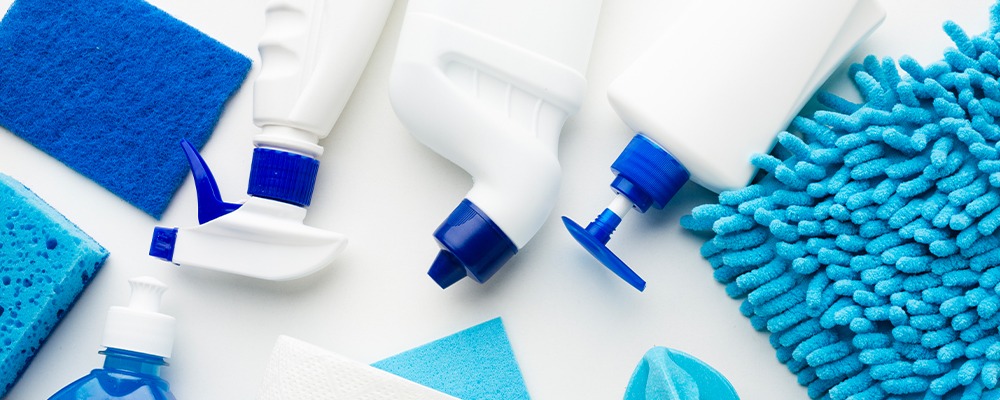
As the detergent market continues to expand, the demand for multi purpose products has increased. Enzymes make it possible to create versatile formulations that can handle multiple types of stains in one go. A detergent may combine protease, amylase, lipase, and cellulase to clean everything from food stains to dirt and grease in a single wash.
Modern biotechnology allows for better stability of enzymes in powder and liquid forms. They now remain active for longer periods, perform consistently across various water conditions, and work well in different pH levels. This makes them ideal for everything from laundry and dishwashing to surface cleaning in homes and industries.
Applications Beyond the Home
The benefits of enzymes are not limited to domestic laundry. In industrial and institutional settings such as hospitals, hotels, and food processing units, the need for effective, cost efficient, and sustainable cleaning is critical. Enzyme based detergents meet all these requirements.
Hospitals require high hygiene standards but must also protect medical textiles from repeated damage. Hotels wash large volumes of linen daily and look for solutions that save time, water, and energy. Food and beverage factories need cleaners that remove organic matter without leaving harmful residues. In all these scenarios, enzyme based detergents are proving to be the most effective and responsible option.
Changing Consumer Expectations
Today’s consumers are more informed and more demanding. They read labels, understand ingredient lists, and actively seek out products that align with their personal values. Sustainability, skin safety, fabric care, and transparency are all major purchase factors. Enzyme based detergents satisfy these expectations on multiple fronts.
Detergent brands now use messaging such as plant based ingredients, cold water cleaning, biodegradable content, and fabric friendly performance. These claims are not just marketing strategies but are backed by real functional benefits made possible by enzymes.
Challenges in Formulation and How They are Being Addressed
While enzymes bring many benefits, they also present some formulation challenges. They are sensitive to heat and moisture, which can reduce their effectiveness if not stored properly. In liquid detergents, enzymes need to remain stable alongside surfactants, fragrances, and other ingredients. They must also perform across a variety of water hardness levels and soil types.
Thanks to advances in enzyme engineering and encapsulation techniques, many of these challenges have been addressed. Today’s enzymes are more stable, more compatible, and more powerful than ever. These improvements continue to expand the possibilities for new and improved detergent products across all segments.
Support from Global Environmental Regulations
Around the world, governments are pushing for safer and more sustainable consumer products. Phosphate restrictions, ingredient disclosures, and eco labelling have already started to shape detergent formulation standards. Enzymes naturally fit within these frameworks. Their safety, renewability, and low toxicity make them a top choice for manufacturers looking to comply with changing laws and meet certification criteria.
As these regulations become stricter, enzymes will play an even larger role in helping companies future proof their product ranges and maintain global competitiveness.
Conclusion
The clean revolution is not just about better stains being removed from fabric. It is about a complete shift in how the world approaches cleanliness, responsibility, and innovation. Enzymes are powering this movement by offering a smarter, safer, and more sustainable way to clean. They lower environmental impact, reduce energy consumption, and provide excellent performance across a range of cleaning applications. In doing so, they are redefining the standard for modern detergent solutions.
At Biolaxi Enzymes Pvt Ltd, we are proud to be part of this transformation. With more than a decade of expertise, world class production, and a dedicated research and development team, Biolaxi delivers high quality enzymes tailored for detergent applications across the globe. Our commitment to innovation, quality, and eco safe solutions ensures that we continue to help manufacturers and consumers move towards a cleaner and greener future.