
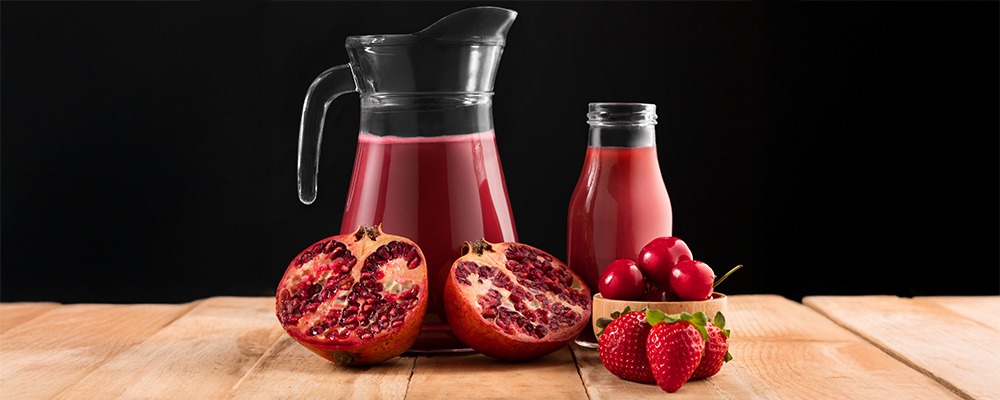
In the realm of health and nutrition, fruit juices particularly those derived from pomegranate and berries are widely celebrated for their rich antioxidant content. These natural compounds help combat oxidative stress in the body, contributing to a reduced risk of chronic diseases and improved overall well-being. However, one significant challenge faced by them is the loss of these potent antioxidants during the processing stages. Enter fruit juice enzymes biocatalysts that not only enhance juice yield and clarity but also play a vital role in preserving antioxidants throughout the extraction and production process.
Understanding Antioxidants in Fruit Juices
Antioxidants are molecules that neutralise harmful free radicals in the body, thus protecting cells from damage. Pomegranate, blueberries, blackberries, strawberries, and raspberries are particularly rich in polyphenols, anthocyanins, flavonoids, and vitamin C some of the most effective natural antioxidants known. When these fruits are processed into juices, the extraction and clarification processes often lead to partial degradation or loss of these valuable compounds, especially if the methods involve high temperatures or oxidative conditions.
The traditional mechanical extraction of juice, while efficient in terms of volume, is not optimised for maximum antioxidant preservation. Much of the beneficial content remains locked within the pulp, seeds, and skin of the fruit. To unlock these nutrients effectively, a more scientific and selective approach is required one that leverages enzymatic processing.
Role of Enzymes in Juice Processing
Enzymes are naturally occurring proteins that accelerate biochemical reactions without being consumed in the process. In the context of fruit juice production, enzymes such as pectinases, cellulases, and hemicellulases are commonly employed. These enzymes break down the complex polysaccharides in the cell walls of fruits, allowing more efficient release of juice and phytochemicals including antioxidants.
Pectinases, for instance, degrade pectin, a structural polysaccharide that binds plant cells together. By breaking down pectin, these enzymes not only improve juice yield but also facilitate the release of phenolic compounds and anthocyanins, which are typically trapped within the plant cell walls. The use of enzymatic treatments significantly enhances the bioavailability of these compounds, resulting in juices with higher nutritional value and longer shelf life.
Antioxidant Retention in Pomegranate Juice
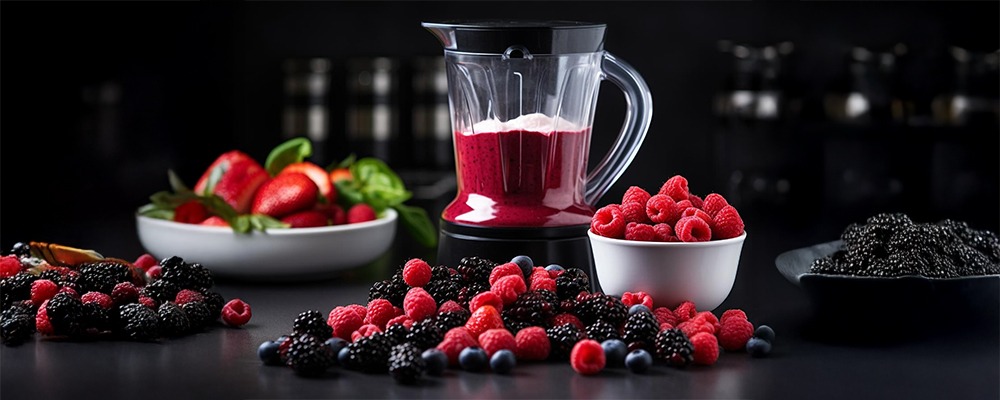
Pomegranate is a unique fruit in terms of its antioxidant profile, being especially rich in punicalagins, ellagic acid, and anthocyanins. These antioxidants are mostly concentrated in the peel and inner membranes parts that are often discarded during mechanical processing. Enzymatic treatment helps to access these areas without introducing high thermal loads or mechanical stress.
Studies have shown that enzymatic maceration using specific blends of pectinases and cellulases can increase the concentration of ellagitannins and flavonoids in pomegranate juice by breaking down the cellular matrix that encapsulates them. Additionally, the reduction in viscosity and improvement in filterability due to enzyme treatment further supports the preservation of antioxidant properties by limiting oxygen exposure during processing.
Antioxidant Retention in Berry Juices
Berry juices, especially from fruits like blueberries, blackcurrants, and raspberries, are prized for their vibrant colours and high levels of anthocyanins. These water-soluble pigments are powerful antioxidants, but they are also extremely sensitive to pH, temperature, and oxygen. Processing berries into juice without degrading these sensitive compounds is a delicate task.
Enzyme-assisted processing offers a viable solution. By using tailor-made enzyme formulations, juice producers can maximise the release of anthocyanins from berry skins, which is where most of these compounds are located. At the same time, enzymatic action reduces turbidity, allowing for a clearer product without the need for excessive filtration or heating both of which can degrade antioxidants.
Moreover, enzyme-treated berry juices exhibit better colour stability, an indicator of anthocyanin retention. This not only preserves the nutritional quality of the juice but also improves its visual appeal a critical factor for consumer acceptance.
The Importance of Optimising Enzyme Use
While enzymes present numerous advantages, it is important to note that their efficiency depends on several parameters such as temperature, pH, concentration, and incubation time. Overuse or underuse can either fail to release sufficient antioxidants or result in excessive degradation of delicate compounds. Therefore, the application of enzymes in fruit juice processing must be meticulously optimised based on the fruit type, desired juice characteristics, and the specific antioxidant profile one aims to preserve.
They must also be aware of the source and formulation of the enzymes. Food-grade, non-GMO, and allergen-free enzyme products are preferable to ensure compliance with safety standards and consumer expectations. Advanced enzyme formulations are now available that are designed not just to enhance yield but also to support the integrity of sensitive nutritional compounds.
Future Trends and Sustainability
As consumer demand grows for functional foods and beverages with tangible health benefits, the emphasis on antioxidant retention in juices is expected to intensify. Enzyme technology is poised to play a larger role in meeting these demands. There is also a sustainability aspect to consider by increasing juice yield and improving antioxidant recovery, enzyme-assisted processing reduces food waste and energy consumption, aligning well with eco-friendly manufacturing practices.
Another emerging trend is the use of immobilised enzymes, which offer better control, reusability, and stability during processing. These enzymes are anchored to a solid support, allowing them to be retained in processing systems and reused multiple times without losing activity. This not only lowers operational costs but also reduces the environmental impact of enzyme use.
Conclusion
Incorporating enzymes into the fruit juice production process is not merely a tool for efficiency it is a scientifically backed method for maximising the nutritional potential of fruits. For antioxidant-rich juices such as pomegranate and berry blends, enzymatic treatment ensures that the natural health benefits of these fruits are retained from orchard to bottle. Enhanced bioavailability of antioxidants, improved clarity, extended shelf life, and better flavour profiles are just some of the advantages that come with this innovative approach.
At Biolaxi Enzymes Pvt Ltd, we understand the science behind enzymes and their critical role in food processing. Our customised fruit juice enzyme formulations are developed with a focus on antioxidant retention, optimised performance, and eco-safe composition. With over 14 years of experience, global delivery capabilities, and round-the-clock technical support, Biolaxi is your trusted partner in producing superior, health-focused juice products that meet the highest industry standards.