
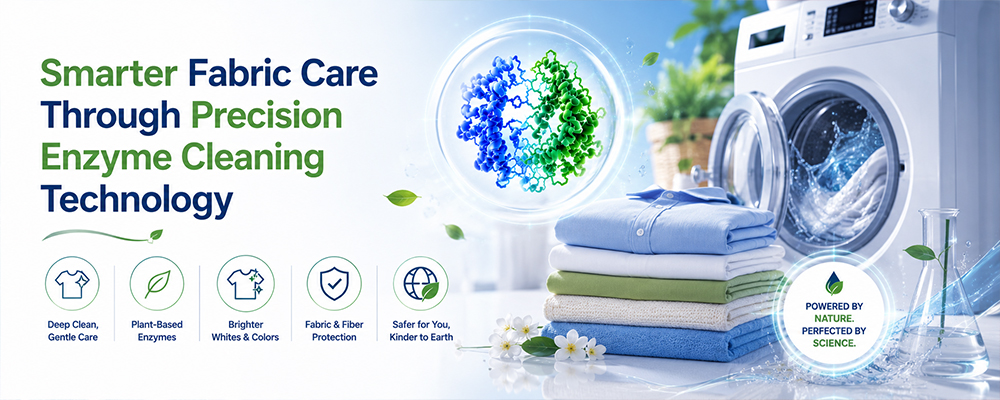
Fabric care has changed dramatically over the years. Consumers no longer look only for detergents that remove stains. They also expect fabrics to remain soft, colours to stay vibrant and garments to last longer after repeated washing. At the same time, sustainability and energy efficiency have become major priorities in modern cleaning products.
Traditional detergent systems often depended on strong surfactants, bleaching agents and high temperature washing to achieve deep cleaning. These methods certainly removed dirt and stains. However, they could also place unnecessary stress on fabrics over time. Frequent exposure to harsh chemicals and excessive heat may weaken fibres, dull colours and reduce the overall lifespan of garments.
Today, cleaning technology is becoming smarter. The focus is shifting away from chemical intensity and moving towards precision based cleaning systems that work more efficiently and more gently.
This is where precision enzyme cleaning technology is transforming modern fabric care.
Enzymes enable detergents to target stains with remarkable accuracy. Instead of attacking the entire fabric surface aggressively, they break down specific stain molecules at a microscopic level. The process is highly controlled, efficient and fabric friendly. As a result, consumers can achieve strong cleaning performance while preserving the quality, softness and appearance of their clothes.
Understanding the Science Behind Precision Enzyme Cleaning
Everyday stains are more complex than they appear. Many contain tightly bonded organic compounds that attach deeply to textile fibres. Sweat, oils, food spills, sauces and cosmetic residues can become difficult to remove using water and surfactants alone.
Traditional detergents relied on stronger chemical reactions to loosen and dissolve these substances. Precision enzyme systems work differently.
Enzymes are biological catalysts. Their role is to accelerate highly specific biochemical reactions without damaging surrounding materials. In detergent formulations, enzymes identify and break down targeted stain molecules into smaller soluble fragments that can be rinsed away easily during washing.
This targeted action creates a much more intelligent cleaning process.
Instead of using force, enzymes use precision.
How Different Enzymes Handle Different Stains
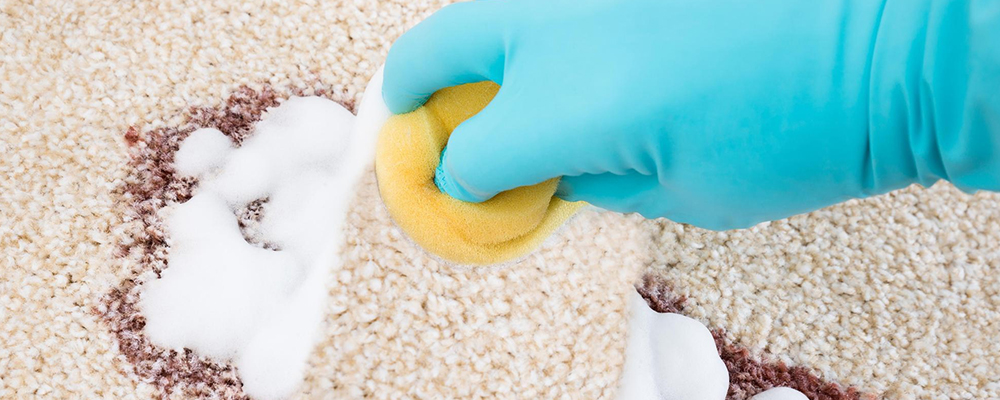
Modern detergents typically contain several specialised enzymes working together within a single formulation. Each enzyme is designed to target a particular category of stain.
Common detergent enzymes include:
- Proteases
Proteases focus on protein based stains such as sweat, blood, dairy residues and food particles. These stains often bond tightly with fibres and become harder to remove over time. - Lipases
Lipases target oily and greasy deposits. Cooking oils, cosmetic residues and body oils are broken down into smaller components that wash away more efficiently. - Amylases
Amylases handle starch based stains commonly found in sauces, processed foods and grains. Without enzymatic support, starch residues can harden within fabrics and become increasingly difficult to clean. - Cellulases
Cellulases play a different but equally valuable role. Rather than directly removing stains, they help improve fabric appearance by gently removing loose surface fibres that contribute to dullness and pilling.
Together, these enzyme systems create a balanced and highly efficient cleaning mechanism. Each enzyme performs a precise function, allowing detergents to achieve excellent results without relying entirely on aggressive chemicals.
Reducing Chemical Stress on Fabrics
Traditional detergents often depended on high chemical intensity to achieve strong cleaning performance. Large quantities of surfactants, builders and bleaching agents were commonly used to loosen stubborn stains.
Although effective, excessive chemical exposure may gradually weaken textile fibres. Fabrics can lose softness. Colours may fade. Delicate garments often become rougher after repeated washing.
Precision enzyme cleaning technology helps reduce this problem significantly.
Enzymes begin degrading stain molecules at the earliest stage of the wash cycle. Once complex residues are broken into smaller fragments, less chemical force is required to complete the cleaning process.
This creates several important advantages:
- Lower chemical load in detergent systems
- Reduced fibre stress during washing
- Better preservation of fabric softness
- Improved garment longevity
- Gentler cleaning for delicate textiles
The cleaning process becomes more balanced and fabric friendly while still delivering strong stain removal performance.
Effective Cleaning at Lower Temperatures
Temperature has traditionally been one of the most important factors in laundry cleaning. Hot water accelerates chemical reactions and improves stain removal efficiency. However, higher temperatures also increase energy consumption and may damage sensitive fabrics over time.
Modern consumers increasingly prefer cold and warm wash programmes. These settings are more energy efficient and gentler on garments. Yet lower temperatures can make stain removal more difficult for conventional detergent systems.
This is another area where enzymes offer major advantages.
Precision enzyme formulations are capable of functioning effectively at moderate and low washing temperatures. Their catalytic activity continues breaking down stains even when thermal energy is reduced.
This supports:
- Improved cleaning during cold washes
- Lower household energy consumption
- Reduced fabric shrinkage
- Better colour preservation
- More convenient everyday laundry routines
The ability to clean effectively at lower temperatures makes enzyme technology especially valuable in modern detergent development.
Preserving Fabric Softness and Appearance
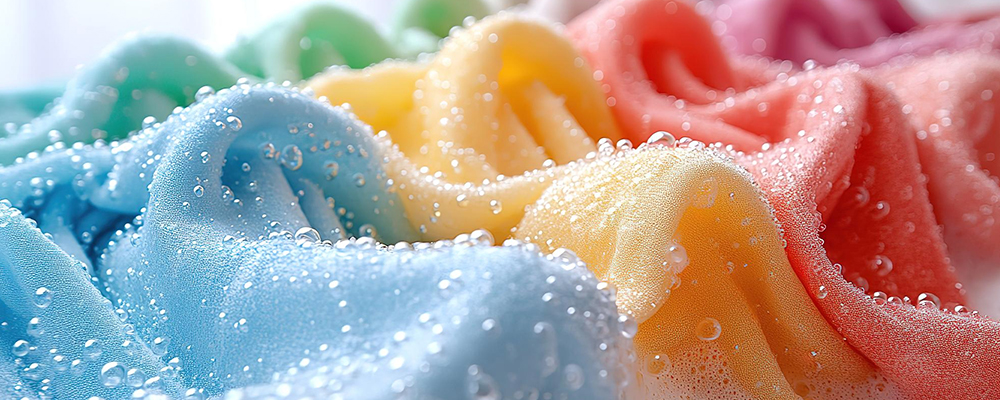
Consumers associate fabric quality with more than cleanliness alone. The feel and appearance of garments after washing are equally important.
Repeated exposure to harsh chemicals and abrasive washing conditions can gradually roughen fibres and reduce fabric smoothness. Precision enzyme cleaning technology helps maintain the original texture and appearance of garments more effectively.
Because enzymes target only unwanted stain molecules, they avoid unnecessary damage to the surrounding textile structure.
This contributes to:
- Improved softness retention
- Better fabric smoothness
- Reduced pilling formation
- Enhanced colour vibrancy
- Longer lasting garment quality
Cellulase enzymes are particularly important for appearance maintenance. By gently removing tiny loose fibrils from fabric surfaces, they help garments retain a cleaner, brighter and smoother appearance after repeated washes.
The result feels natural. Fabrics remain comfortable, fresh and visually appealing for longer periods.
Supporting Sustainable Cleaning Solutions
Sustainability is becoming one of the defining priorities in the cleaning products industry. Consumers and manufacturers alike are seeking ways to reduce environmental impact without compromising performance.
Precision enzyme cleaning technology supports these goals remarkably well.
Enzymes contribute to sustainability by enabling:
- Lower chemical usage in formulations
- Reduced energy demand through low temperature washing
- Improved biodegradability of detergent systems
- Reduced wastewater impact
- More resource efficient cleaning processes
Because enzymes are biodegradable biological molecules, they integrate naturally into environmentally responsible detergent formulations.
Their ability to support effective cleaning with fewer harsh chemicals also aligns closely with global efforts towards greener manufacturing and sustainable household practices.
Adapting to Modern Laundry Needs
Laundry habits continue evolving rapidly. Consumers wash clothes more frequently, use shorter cycles and increasingly prefer energy saving programmes. Modern fabrics are also becoming more diverse, including blends, performance textiles and delicate materials that require gentler care.
Precision enzyme systems provide the flexibility needed to meet these changing demands.
Their targeted stain removal capability allows detergents to perform reliably under varied washing conditions. Whether during quick cycles, cold washes or mixed fabric loads, enzymes help maintain cleaning consistency and fabric protection.
This adaptability makes enzyme technology one of the most important innovations in advanced fabric care.
The Future of Precision Cleaning Technology
Research in enzyme science continues advancing quickly. Modern biotechnology is enabling the development of highly specialised enzyme systems with improved stability, faster reaction efficiency and better compatibility with concentrated detergent formulations.
Current innovations include:
- Multi enzyme cleaning complexes
- Enhanced low temperature enzyme activity
- Improved formulation stability
- Better compatibility with modern washing systems
- Extended enzyme shelf performance
These developments are shaping the next generation of intelligent cleaning products designed for both high performance and environmental responsibility.
As consumer expectations continue evolving, precision enzyme systems will remain central to the future of smarter fabric care.
Conclusion
Modern fabric care is no longer defined by stronger chemicals or harsher washing conditions. Today’s cleaning technologies focus on precision, efficiency and long term fabric preservation. Precision enzyme cleaning technology supports this transition by targeting stains through highly selective biochemical action while protecting textile quality.
By improving stain removal, reducing chemical dependence, supporting low temperature washing and preserving garment appearance, enzymes are helping redefine how fabrics are cleaned and cared for in modern households.
Biolaxi Enzymes develops scientifically engineered enzyme solutions that support advanced detergent and fabric care formulations across diverse cleaning applications. Through innovative enzyme technologies and application focused expertise, Biolaxi Enzymes helps create smarter cleaning systems that combine strong performance, fabric protection and sustainable efficiency for modern laundry needs.