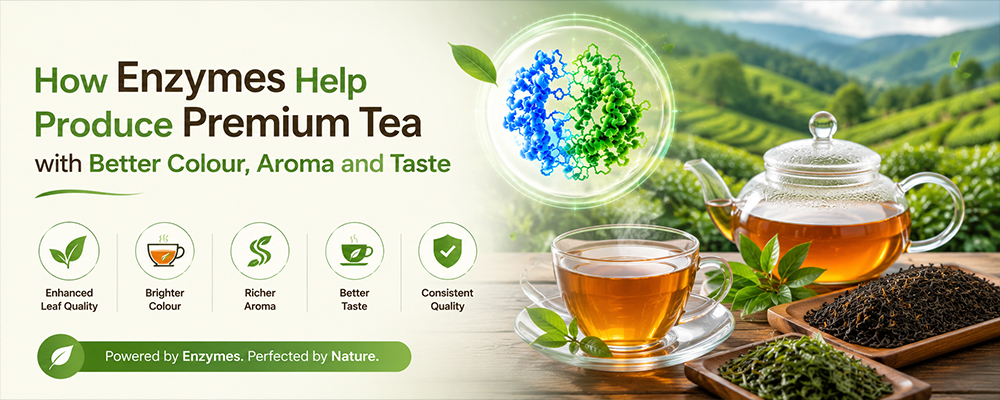
Tea is more than just a beverage. It is an experience shaped by colour, aroma, flavour, and balance. From the first fragrance released from freshly brewed leaves to the final lingering notes on the palate, every sensory detail influences how consumers judge tea quality.
For centuries, tea makers relied on seasonal knowledge, environmental conditions, and traditional craftsmanship to shape tea character. While these methods remain valuable, modern tea processing now demands much greater precision. Consumers expect premium tea to deliver consistent colour, refined aroma, smooth taste, and superior drinking quality in every cup.
This growing demand has transformed tea manufacturing.
Today, producing premium tea is no longer dependent only on leaf origin or processing skill. It increasingly depends on understanding and controlling the biochemical reactions that influence flavour and sensory development. At the centre of this transformation are enzymes.
Through controlled enzymatic activity, tea processors can now improve colour brightness, enhance aroma complexity, reduce bitterness, and create more balanced flavour profiles with greater consistency and efficiency.
Why Colour, Aroma and Taste Define Premium Tea
A premium tea experience depends on harmony between multiple sensory attributes. Strong flavour alone is not enough. Tea that lacks aroma may feel flat. Excess bitterness can overpower delicate flavour notes, while poor oxidation may create dull colour and weak body.
Consumers typically associate premium tea with:
- Bright and attractive liquor colour
- Smooth and balanced taste
- Rich aroma complexity
- Controlled astringency
- Lingering flavour
- Consistent cup quality
Achieving this balance consistently is not always simple.
Tea leaves naturally vary due to climate, soil conditions, harvest timing, leaf maturity, and seasonal fluctuations. Traditional processing methods can sometimes struggle to maintain uniform sensory outcomes at large production scale.
This is where enzyme guided processing provides a major advantage.
Understanding the Science Behind Tea Processing
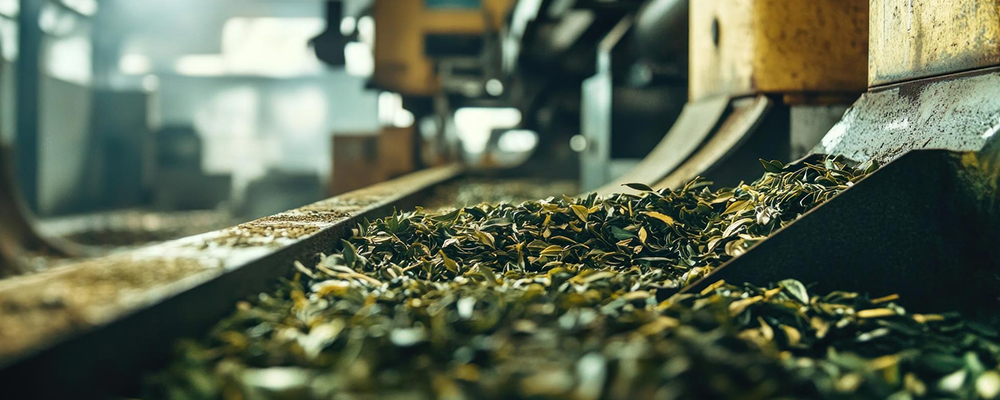
Tea leaves naturally contain enzymes that become active once cellular structures are disrupted during withering, rolling, or crushing. These enzymes initiate oxidation reactions that shape the final colour, flavour, and aroma of tea.
Among the most important are polyphenol oxidase and peroxidase. These enzymes convert catechins into theaflavins and thearubigins, two compounds responsible for many desirable tea characteristics.
Theaflavins contribute to:
- Brightness and briskness
- Golden or reddish liquor colour
- Fresh and lively taste
Thearubigins contribute to:
- Body and depth
- Rich colour intensity
- Fuller mouthfeel
At the same time, other enzymes influence the formation and release of aromatic compounds responsible for floral, fruity, malty, or fresh notes.
In many ways, enzymes act as architects of tea flavour.
Enhancing Tea Colour Through Controlled Enzyme Activity
Colour is one of the first indicators consumers use to judge tea quality. A bright, vibrant liquor often signals freshness and proper processing, while dull or cloudy appearance may reduce perceived quality.
Controlled enzyme activity helps regulate oxidation more precisely, ensuring the balanced formation of colour compounds throughout processing.
Enzyme assisted processing may support:
- Better liquor brightness
- More uniform colour development
- Improved clarity
- Enhanced visual appeal
- Greater consistency across batches
Cell wall degrading enzymes such as cellulases and pectinases can also improve the release of polyphenols from leaf tissues. This supports more efficient oxidation and stronger colour formation during fermentation stages.
The result is tea that not only tastes premium but also looks premium in the cup.
Unlocking Richer Aroma Complexity
Aroma is one of the most important sensory characteristics in tea. In fact, many consumers judge tea quality from fragrance even before taking the first sip.
Tea leaves naturally contain many aroma precursors locked within complex molecular structures. Enzymes help release these compounds and convert them into active aromatic molecules.
Certain enzymes assist in liberating volatile compounds responsible for:
- Floral sweetness
- Fruity notes
- Fresh grassy characteristics
- Malty richness
- Delicate complexity
For example, glycosidase enzymes can release bound aromatic molecules that would otherwise remain inactive within the leaf structure.
When controlled carefully, enzyme guided aroma development creates tea with greater fragrance depth, cleaner sensory notes, and more refined flavour identity.
This is especially valuable in premium black teas, specialty teas, and artisanal blends where aroma differentiation strongly influences product value.
Reducing Harshness While Preserving Strength
One of the greatest challenges in tea processing is managing bitterness and astringency.
A certain degree of briskness contributes positively to tea structure and character. However, excessive bitterness can overpower subtle flavour notes and reduce overall drinkability.
Controlled enzyme activity helps regulate polyphenol transformation more effectively during oxidation. This allows processors to reduce harshness while preserving body and flavour intensity.
Benefits may include:
- Smoother flavour balance
- Controlled astringency
- Better mouthfeel
- Improved drinkability
- More refined sensory profile
This balance is particularly important for premium tea categories targeting sophisticated consumer preferences.
Supporting Consistency Across Tea Batches
Consistency is critical in commercial tea production. Buyers and consumers expect similar colour, aroma, and flavour characteristics regardless of seasonal variability.
Traditional oxidation processes are highly sensitive to humidity, temperature, leaf condition, and handling practices. Small variations can significantly affect final tea quality.
Enzyme supported processing provides greater process control.
By guiding oxidation reactions more predictably, enzymes help processors achieve:
- More reliable flavour outcomes
- Uniform liquor colour
- Better aroma consistency
- Reduced batch variability
- Greater blending precision
This consistency strengthens product reputation and supports long term brand reliability.
Improving Processing Efficiency and Yield
Enzyme technology also contributes to operational efficiency within tea manufacturing.
Controlled enzymatic activity can accelerate specific biochemical reactions, reducing processing variability and improving throughput. Better conversion of flavour precursors means tea processors can maximise sensory quality more effectively from available raw leaves.
This may support:
- Improved utilisation of leaf grades
- Faster processing cycles
- Better flavour extraction
- Reduced processing losses
- Higher value recovery from raw material
Such improvements are increasingly important as tea producers face rising operational and sustainability pressures.
Supporting Sustainable Tea Processing
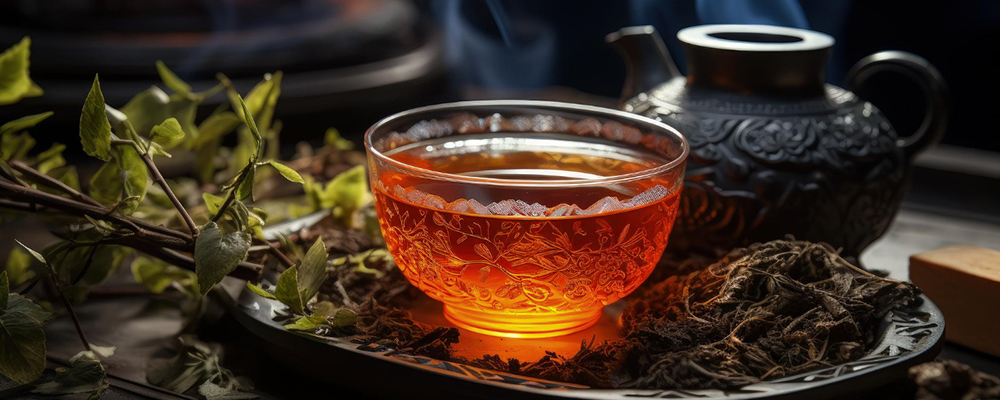
Sustainability is becoming central to modern tea production. Tea processors are under increasing pressure to reduce waste, lower energy consumption, and improve operational efficiency.
Enzyme assisted processing supports these goals in several ways:
- Reduced need for corrective reprocessing
- Better process precision and efficiency
- Lower material waste
- Improved resource utilisation
- More consistent first pass quality outcomes
Because enzymes work under relatively mild processing conditions, they also help support cleaner and more energy efficient operations.
Driving Innovation in Premium and Specialty Tea Markets
Consumer preferences in the tea industry are evolving rapidly. Premium buyers increasingly seek unique sensory experiences, balanced flavour profiles, and differentiated tea varieties.
Enzyme guided processing offers processors greater flexibility in shaping flavour architecture. By carefully managing enzymatic pathways, producers can create distinctive aroma profiles, controlled oxidation levels, and customised taste characteristics.
This supports:
- Specialty tea innovation
- Premium product diversification
- More tailored flavour development
- Enhanced product positioning
As tea markets become more sophisticated, this level of precision is becoming increasingly valuable.
The Future of Premium Tea Lies in Precision
Tea processing is gradually evolving from experience driven variability towards scientifically guided precision. Enzymes are not replacing traditional craftsmanship. Instead, they are enhancing it.
By helping processors control natural biochemical reactions more effectively, enzymes allow tea makers to achieve better balance, stronger consistency, and more refined sensory quality.
The future of premium tea will increasingly depend on this combination of tradition, science, and precision processing.
Conclusion
Premium tea quality is shaped by how effectively colour, aroma, and flavour develop throughout processing. Enzymes play a central role in this transformation by supporting controlled oxidation, enhancing aroma release, improving flavour balance, and reducing sensory variability.
Through targeted biochemical activity, enzyme technology enables tea processors to create brighter liquor colour, richer aroma complexity, smoother taste, and more consistent tea quality across batches. These advantages support both premium positioning and operational efficiency in an increasingly competitive tea market.
Biolaxi Enzymes develops scientifically engineered enzyme solutions that help tea processors optimise flavour development, improve sensory consistency, and support efficient tea production practices. Through customised enzyme technologies and strong application expertise, Biolaxi Enzymes continues to support the future of premium tea manufacturing with smarter, more precise, and quality focused processing solutions.