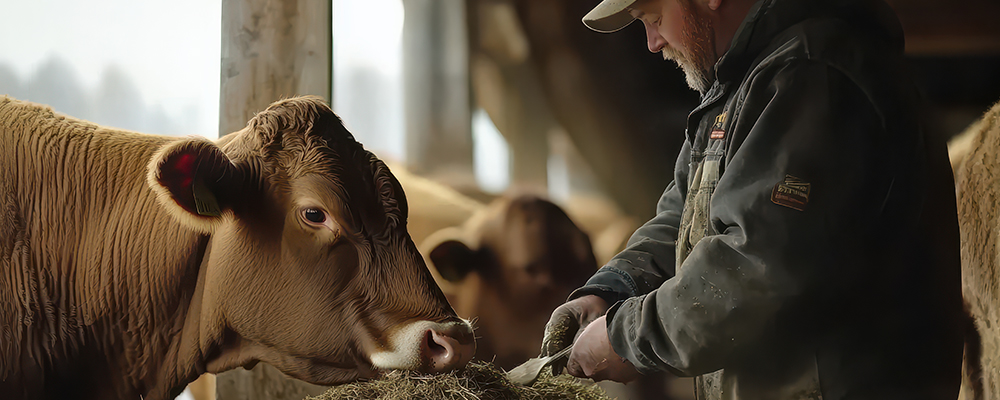
Livestock nutrition has become increasingly sophisticated. Modern producers are no longer focused solely on feeding animals more. The real objective is helping animals extract more value from every kilogram of feed consumed. In an industry where feed costs represent one of the largest operational expenses, digestive efficiency directly influences profitability, animal performance and long term sustainability.
Yet one major challenge remains constant: not all nutrients in feed are fully utilised. Even carefully formulated diets can contain valuable proteins, minerals and energy sources that pass through the digestive system only partially absorbed. This creates hidden inefficiency. Nutrients that could support growth, health or productivity are instead lost, increasing feed costs while contributing to greater waste output.
Advanced enzyme support is changing this equation. By improving nutrient breakdown and absorption, enzymes are helping livestock producers optimise digestive performance, enhance feed utilisation and support healthier animals with greater precision.
Why Digestive Efficiency Matters in Modern Livestock Production
Feed is a major investment. Every ingredient, from grains and proteins to mineral supplements, carries both nutritional and financial value. When digestion is incomplete, that investment is diluted.
Poor digestive efficiency can lead to:
- Reduced nutrient absorption
- Higher feed conversion ratios
- Increased feed waste
- Greater nutrient excretion
- Lower growth or production performance
For poultry, swine, aquaculture and other intensive production systems, these inefficiencies can significantly affect operational outcomes.
The goal is not simply consumption. It is conversion.
Understanding the Digestive Challenge
Many livestock diets rely heavily on plant based ingredients such as corn, wheat, soybean meal and agricultural by-products. While these ingredients offer nutritional value, they also contain components that animals may struggle to digest effectively.
These often include:
- Non starch polysaccharides
- Cellulose
- Hemicellulose
- Phytates
- Complex proteins
Monogastric animals in particular may lack sufficient natural enzyme activity to fully break down these compounds. As a result, important nutrients can remain inaccessible.
This is where targeted enzyme support becomes essential.
How Feed Enzymes Improve Nutrient Availability
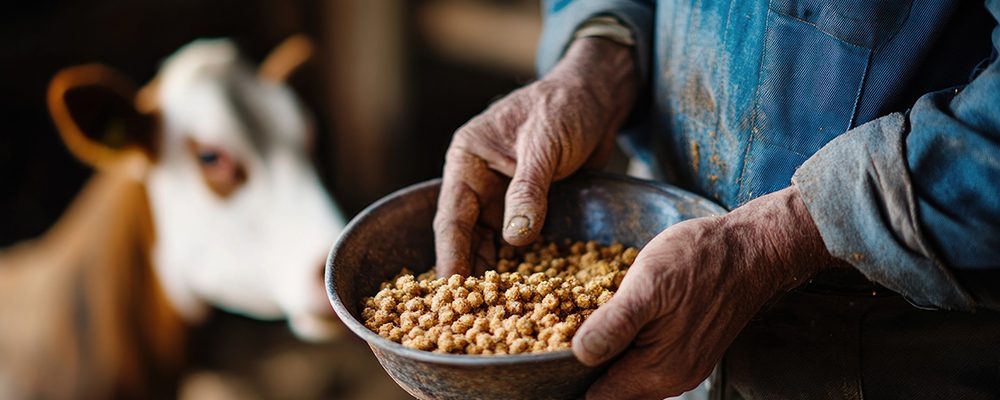
Feed enzymes act as biological catalysts that break complex feed compounds into simpler, absorbable nutrients. They supplement the animal’s natural digestive processes, improving access to nutritional value that might otherwise remain locked within feed ingredients.
Common enzyme categories include:
- Phytase for releasing bound phosphorus and minerals
- Protease for improving protein digestion
- Amylase for starch breakdown
- Cellulase for fibre degradation
- Xylanase for improving non starch polysaccharide utilisation
Each enzyme performs a specialised function, but together they can significantly improve digestive efficiency.
Unlocking More Value from Existing Feed
One of the greatest advantages of advanced enzyme support is that it helps animals gain more nutritional benefit from the same feed base.
For example, phytase breaks down phytates that bind phosphorus and other minerals. Without this process, many nutrients remain unavailable. Proteases improve amino acid release from proteins. Fibre targeting enzymes break down structural barriers that trap digestible nutrients.
This creates measurable benefits:
- Improved nutrient absorption
- Better mineral availability
- Enhanced energy release
- Reduced nutrient wastage
- Greater feed efficiency
In practical terms, producers can often achieve better performance without simply increasing feed volume.
Supporting Better Feed Conversion Ratios
Feed conversion ratio remains one of the most important indicators of production efficiency. Lower feed conversion means animals require less feed to achieve desired growth or output.
Enzyme support contributes directly to this objective by improving digestive precision. When feed is broken down more effectively, animals can redirect more energy towards growth, productivity and health rather than inefficient digestion.
This may support:
- Faster weight gain
- Improved growth consistency
- Better nutrient utilisation
- Reduced feed input per unit of output
For producers, these gains can translate into significant economic advantages.
Improving Gut Health and Digestive Stability
Digestive efficiency is not solely about nutrient extraction. Gut environment also plays a major role.
Undigested feed components can create digestive imbalance, encourage undesirable microbial activity and reduce intestinal efficiency. By improving feed breakdown earlier in the digestive process, enzymes can help reduce substrate availability for harmful microbial fermentation.
This may contribute to:
- Better digestive balance
- Improved nutrient uptake
- More stable gut conditions
- Enhanced overall animal wellbeing
Healthier digestion often supports stronger overall production outcomes.
Addressing Raw Material Variability
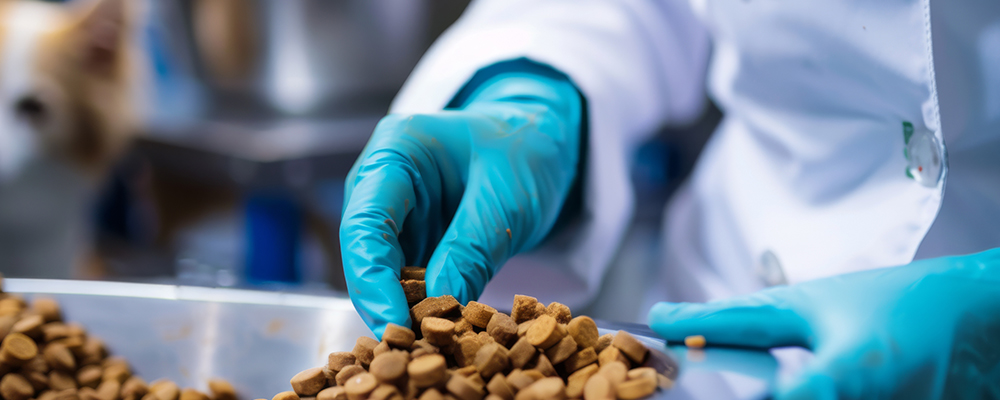
Feed ingredient quality can vary due to harvest conditions, sourcing or processing differences. This inconsistency can affect nutrient predictability.
Advanced enzyme formulations help compensate for this variation by improving access to nutrients across a broader range of raw material profiles. This gives feed producers greater flexibility while maintaining nutritional reliability.
Benefits include:
- More consistent feed value
- Greater formulation flexibility
- Better use of alternative ingredients
- Improved cost control
This adaptability is particularly valuable in cost sensitive production systems.
Sustainability Through Better Nutrient Utilisation
As livestock systems face growing environmental scrutiny, nutrient efficiency has become closely linked with sustainability. Undigested nutrients often contribute to higher nitrogen and phosphorus output, increasing environmental burden.
By improving digestibility, enzymes help reduce waste excretion while improving feed efficiency. This supports both productivity and environmental responsibility.
Smarter digestion can therefore support:
- Lower nutrient waste
- Reduced environmental load
- Better resource utilisation
- Improved sustainability outcomes
Efficiency and sustainability increasingly go hand in hand.
The Future of Advanced Enzyme Support
Feed enzyme innovation continues to advance rapidly. Multi enzyme systems, greater stability under varying feed conditions and more targeted formulations are expanding what is possible in animal nutrition.
Future developments are increasingly focused on precision support tailored to species, diet composition and production objectives. This progression is helping move livestock nutrition towards more efficient and performance driven systems.
Conclusion
Improving digestive efficiency is one of the most powerful ways to enhance livestock performance, reduce feed waste and strengthen production economics. Advanced enzyme support allows producers to unlock more nutritional value from feed, improve conversion efficiency and support healthier digestive function with greater consistency. By transforming how nutrients are accessed and absorbed, enzymes are becoming an essential tool in modern animal nutrition.
Biolaxi Enzymes supports this progress through carefully developed enzyme solutions designed to improve feed utilisation, nutrient availability and digestive performance across livestock systems. With strong research capabilities, customised enzyme expertise and a commitment to practical efficiency, Biolaxi Enzymes helps feed producers and livestock operations address evolving nutritional challenges more effectively. Through advanced enzyme support, Biolaxi continues to contribute to better digestion, improved performance and smarter feed strategies for the future of animal nutrition.