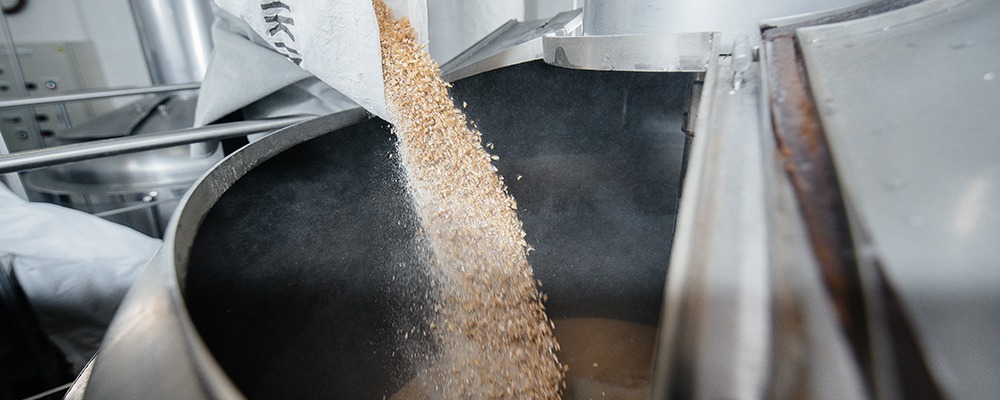

The global food and bio-processing industries rely heavily on the efficient conversion of starch into sugars. This process, known as saccharification, lies at the heart of diverse applications, ranging from brewing and baking to bioethanol production and sweetener manufacturing. Traditionally, saccharification has been carried out using a combination of enzymes, such as amylases and glucoamylases, which break down complex starch molecules into simpler sugars like glucose and maltose.
However, as industries strive for greater efficiency, sustainability, and product quality, the conventional approaches to saccharification are being re-evaluated. The focus today is shifting towards targeted enzyme systems that can deliver faster, cleaner, and more consistent results, while minimising energy consumption and waste generation. This rethinking of saccharification is not merely about replacing older methods but about transforming entire production processes to meet the modern demands of quality, sustainability, and cost-effectiveness.
Understanding Starch and the Role of Enzymes
Starch is one of the most abundant carbohydrates in nature, found in crops such as maize, wheat, potatoes, rice, and cassava. Its structure is made up of two main components: amylose, a linear chain of glucose molecules, and amylopectin, a highly branched polymer. This dual structure makes starch a versatile raw material but also presents challenges in breaking it down effectively.
Enzymes play a critical role in simplifying this complexity. Alpha-amylase initiates the breakdown by cleaving internal bonds in starch, producing shorter chains called dextrins. Glucoamylase then acts on these dextrins to release glucose units, while pullulanase and other debranching enzymes help in breaking down the branched amylopectin structure. Together, these enzymes orchestrate a finely tuned process that converts starch into fermentable sugars, a process essential in industries such as brewing, baking, and biofuel production.
Limitations of Conventional Saccharification
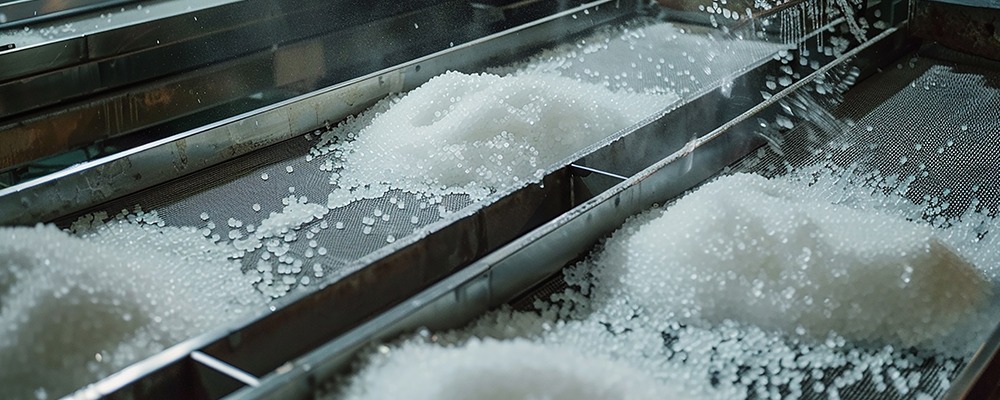
While enzymatic saccharification has long been preferred over harsh chemical methods due to its safety and eco-friendliness, conventional enzyme systems are not without limitations. Many existing processes require high temperatures to activate enzymes, leading to greater energy consumption. In some cases, the enzymatic breakdown is incomplete, leaving behind residual starch that reduces overall yields.
Another challenge is inconsistency in the sugar profile. In industries like brewing, the balance between maltose and glucose directly impacts flavour, fermentation rate, and final product quality. Similarly, in bioethanol production, incomplete saccharification can lower ethanol yields and increase production costs. These inefficiencies highlight the need for enzyme systems that are not only more effective but also precisely tailored to the requirements of each industry.
Targeted Enzyme Systems: A New Approach
Targeted enzyme systems represent a paradigm shift in how starch-to-sugar conversion is carried out. Instead of relying on generic enzymes, these systems use carefully designed formulations that match the specific substrate characteristics, process conditions, and product goals of a given application.
For example, in baking, targeted enzyme systems can be tailored to achieve consistent dough fermentation by providing a stable release of fermentable sugars. In the beverage industry, they can be fine-tuned to generate a desirable balance of glucose and maltose, ensuring a superior flavour profile. In bioethanol production, specialised combinations of thermostable and acid-stable enzymes enable efficient saccharification under industrial conditions, reducing the need for process adjustments and lowering costs.
The advantage of such systems lies in their precision. By targeting specific bonds within the starch molecule and operating effectively under defined conditions, they enhance conversion efficiency, reduce energy input, and deliver more consistent results. This targeted approach also helps industries reduce waste, optimise yields, and promote eco-friendly production practices.
Benefits Across Industries
The move towards targeted enzyme systems is reshaping industries that depend on
starch-to-sugar conversion.
1. Baking and Confectionery
In baking, enzymes are vital for consistent dough development, fermentation, and crumb structure. Targeted enzyme formulations ensure the controlled release of sugars, which not only improve yeast activity but also enhance the colour and texture of baked goods. In confectionery, they help achieve the desired sweetness profile without relying on artificial additives.
2. Brewing and Distilling
The brewing industry is highly sensitive to sugar composition, as it directly influences the taste, aroma, and alcohol content of the final product. By deploying targeted enzyme systems, brewers can achieve greater control over fermentation, reduce variability in flavour, and improve process consistency. In distilling, these systems enhance starch conversion in grains, leading to higher alcohol yields and improved quality.
3. Bioethanol Production
Bioethanol is a growing sector where efficiency is paramount. Targeted enzyme systems allow producers to operate at lower temperatures while maximising glucose release, which directly boosts ethanol yields. The result is a process that is not only more cost-efficient but also more
sustainable, as it reduces the carbon footprint of biofuel production.
4. Fruit Juice Processing
In fruit juice manufacturing, saccharification plays a role in enhancing sweetness, flavour, and mouthfeel. Specialised enzyme systems ensure that natural sugars are released in the right balance, improving taste while maintaining nutritional value. They also help reduce turbidity and improve juice clarity, contributing to higher consumer appeal.
5. Pharmaceuticals and Beyond
In pharmaceuticals, sugars derived from starch serve as raw materials for fermentation processes and the formulation of active ingredients. Targeted enzyme systems guarantee high purity and consistency, both of which are crucial in this highly regulated industry. Beyond pharmaceuticals, applications extend to animal feed, textiles, and other sectors where saccharification-derived sugars are essential.
Sustainability and the Future of Saccharification
One of the most significant drivers of change in saccharification is the push towards sustainability. Targeted enzyme systems support this goal by reducing energy requirements, minimising chemical usage, and improving overall resource efficiency. Unlike traditional methods that often rely on high heat or harsh conditions, modern formulations work effectively under milder conditions, saving both energy and water.
As global industries face increasing scrutiny over their environmental impact, adopting these advanced enzyme systems offers not only a technical advantage but also a reputational one. Consumers are becoming more conscious of the processes behind the products they use, and businesses that embrace sustainable practices are more likely to gain trust and loyalty.
Conclusion
Saccharification has always been central to industries that rely on starch-derived sugars, but the way it is carried out is undergoing a profound transformation. By embracing targeted enzyme systems, companies can move beyond the limitations of traditional methods and unlock new levels of efficiency, quality, and sustainability. From reducing energy costs in bioethanol plants to improving flavour in baked goods and beverages, these enzyme-driven innovations are setting new benchmarks across diverse sectors.
Biolaxi Enzymes is at the forefront of this shift, offering customised enzyme formulations that address the specific needs of different industries. With a strong focus on innovation, eco-safe solutions, and consistent quality, Biolaxi continues to empower businesses worldwide to rethink saccharification. By combining scientific expertise with a commitment to sustainability, the company remains a dependable partner for those seeking excellence in starch-to-sugar conversion.