
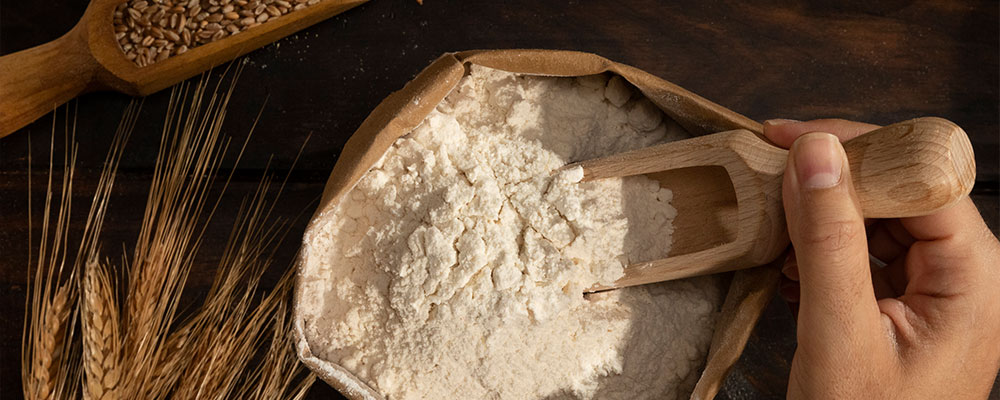
Flour is a cornerstone ingredient in many foods, from bread and pasta to cakes and pastries. For centuries, wheat flour has been used as a primary source of carbohydrates, and for many, it provides the bulk of their daily energy intake. However, the protein quality in flour has often been a topic of concern, especially in developing countries, where malnutrition can be a significant issue. While flour’s protein content is vital, not all proteins are created equal. The focus on improving protein quality in flour through enzyme-based fortification is an innovative approach gaining increasing attention in the food industry.
The Importance of Protein Quality
Protein quality refers to the ability of the protein to meet the amino acid requirements of the human body. Not all proteins contain the complete set of essential amino acids needed for optimal health. In many staple foods, including wheat-based products, protein quality can be suboptimal. While wheat protein, particularly gluten, is vital for the texture and structure of baked goods, it often lacks some of the essential amino acids, such as lysine, which are necessary for various bodily functions.
The traditional method of fortifying flour usually focuses on adding micronutrients like vitamins and minerals. However, protein fortification and enhancement are crucial to ensuring that the flour provides a more balanced, nutritionally complete product. In this context, enzyme-based fortification has emerged as an effective and sustainable solution.
How Enzyme-Based Fortification Works
Enzyme-based fortification involves the application of specific enzymes to modify or enhance the protein content and profile in flour. Enzymes are biological catalysts that facilitate chemical reactions. In the context of flour fortification, enzymes can break down or reconfigure the protein structure to improve its nutritional value.
One of the most commonly used enzymes in flour fortification is protease. This enzyme acts on the wheat proteins, breaking them down into smaller peptides and amino acids. By doing so, it can increase the bioavailability of essential amino acids, such as lysine, which are typically found in lower quantities in wheat protein. This process not only improves the protein quality but also enhances the overall nutritional profile of the flour.
In addition to proteases, other enzymes, such as amylases and lipases, can also play a role in enhancing flour quality. For example, amylases can break down starch into simpler sugars, while lipases can improve the digestibility of fats. Together, these enzymes help to create a more nutritionally balanced product.
Benefits of Enzyme-Based Fortification

Enzyme-based fortification of flour offers numerous benefits, both from a nutritional and an economic standpoint. By improving the protein quality, the fortification process helps address protein malnutrition, which is particularly prevalent in regions where wheat is a staple food but protein-rich foods are scarce. This is especially important in developing countries, where malnutrition remains a critical issue.
- Enhanced Nutritional Value: Enzyme-based fortification boosts the nutritional content of the flour by enhancing its protein quality. By increasing the availability of essential amino acids, it helps make wheat flour a more complete source of protein, improving the dietary intake of key nutrients.
- Cost-Effective: Fortifying flour with enzymes is a cost-effective way to improve protein quality without having to add expensive protein supplements. Enzyme treatments can be applied during the milling process, allowing manufacturers to produce a nutritionally enhanced product without incurring significant additional costs.
- Improved Functionality: Enzyme treatment can also improve the functional properties of flour. Enzymes can help improve the dough’s handling characteristics, including elasticity, texture, and water absorption. This leads to better quality baked goods with improved consistency, shelf life, and mouthfeel.
- Environmentally Friendly: The use of enzymes in fortification is a sustainable and eco-friendly method. Enzymes are naturally occurring proteins that can be produced with minimal environmental impact. Additionally, enzyme-based processes often result in fewer by-products and reduced energy consumption compared to traditional methods of fortification.
The Role of R&D in Enzyme-Based Fortification
The development of enzyme-based fortification technologies is largely driven by research and development (R&D). As the food industry continues to look for ways to improve the nutritional value of products while maintaining cost-effectiveness, R&D plays a crucial role in discovering new enzyme formulations that can be tailored to different types of flour and desired outcomes.
Researchers are working on developing more efficient enzymes that can specifically target the proteins in wheat flour, breaking them down in a way that maximises their nutritional potential. There is also growing interest in combining different types of enzymes to create synergistic effects that can further enhance the protein content and overall quality of flour.
Moreover, studies are being conducted on the impact of enzyme treatment on the sensory properties of flour-based products, such as taste, texture, and colour. This research is vital to ensure that fortifying flour with enzymes does not alter the organoleptic properties of the final product, which could otherwise affect consumer acceptance.
Challenges of Enzyme-Based Fortification
While enzyme-based fortification holds significant promise, there are some challenges to consider. One of the main challenges is ensuring the stability and efficacy of the enzymes during the milling process and subsequent storage. Enzymes are sensitive to temperature, pH, and other environmental factors, so careful control of the processing conditions is required to ensure they remain active and effective.
Additionally, the regulatory landscape surrounding enzyme-based fortification is still evolving. While enzymes are generally regarded as safe, the approval process for new enzymes or enzyme-based fortification methods can be lengthy and complex. Manufacturers must navigate regulatory hurdles to ensure that their products meet safety and quality standards.
Enzyme-Based Fortification in Practice
Several food manufacturers have already embraced enzyme-based fortification as part of their strategy to improve the protein quality of flour. In addition to improving the nutritional value, these companies have seen improvements in the quality of their baked goods, including enhanced texture, better shelf life, and greater consumer satisfaction.
The fortification of flour with enzymes is also being explored as part of global efforts to address protein malnutrition. International organisations, including the World Health Organization (WHO), are supporting research into the use of enzymes as a tool to fortify staple foods, making it more accessible for populations who need it the most.
Conclusion
Enzyme-based fortification of flour is an innovative and effective method for improving the protein quality of flour, addressing nutritional deficiencies, and providing significant benefits to both manufacturers and consumers. Through the use of specific enzymes, flour can be transformed into a more complete and balanced source of protein, while also enhancing the functional properties of the flour for better quality food products.
At Biolaxi Enzymes Pvt Ltd, we are committed to providing innovative and high-quality enzyme solutions to industries such as food processing, textiles, and pharmaceuticals. With over 14 years of experience in developing eco-safe and customised enzyme formulations, Biolaxi remains at the forefront of enzyme technology, offering products that enhance the quality and efficiency of your processes. By leveraging our expertise, we can help you achieve excellence in every aspect of your production, ensuring the highest standards of quality and reliability.