
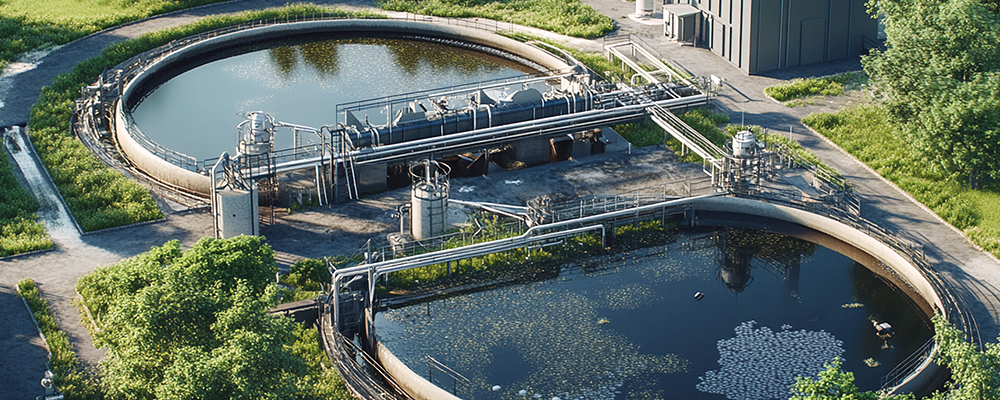
Industrial wastewater management has become one of the defining environmental and operational priorities of modern industry. As manufacturing systems expand and environmental regulations become increasingly stringent, businesses are under growing pressure to treat wastewater more efficiently, reduce pollutant loads and recover value from waste streams. Traditional wastewater treatment methods have long focused on disposal and compliance, but the future of water treatment is shifting towards sustainability, resource recovery and intelligent biological intervention.
At the centre of this transformation is enzyme technology. Enzymes are redefining wastewater treatment by offering a more precise, sustainable and efficient approach to breaking down pollutants, improving water quality and converting waste into usable resources. Rather than relying solely on chemical heavy systems, modern water treatment increasingly uses enzymes to target contaminants at a molecular level, enabling industries to treat wastewater more effectively while improving long term operational performance.
The Changing Purpose of Modern Water Treatment
For decades, wastewater treatment systems were primarily designed to reduce contamination to acceptable discharge levels. While this approach addressed immediate compliance needs, it often overlooked broader opportunities for efficiency and sustainability. Conventional systems commonly depend on chemical reagents, mechanical separation and energy intensive processing. These methods can remove pollutants, but they often generate excessive sludge, increase operational costs and limit the potential for water reuse.
Today, wastewater management is evolving beyond disposal. Modern systems are expected to support water conservation, pollutant reduction, cost efficiency and circular resource management. This broader objective requires technologies capable of doing more than basic treatment.
Enzymes have emerged as one of the most effective tools in achieving this transition.
How Enzymes Improve Wastewater Treatment Efficiency

Enzymes are biological catalysts that accelerate the breakdown of specific organic compounds. Their ability to target pollutants with precision makes them highly effective in wastewater environments where complex organic matter can overload conventional systems.
Key wastewater treatment enzymes include:
- Proteases for breaking down proteins
- Lipases for degrading fats and oils
- Amylases for processing starches
- Cellulases for decomposing fibrous organic matter
- Specialised oxidative enzymes for transforming difficult organic contaminants
By converting large pollutant molecules into simpler compounds, enzymes make contaminants easier to process within treatment systems. This not only improves wastewater quality but also enhances the efficiency of downstream biological and mechanical processes.
Targeting Pollutants Before They Escalate
A major strength of enzyme based water treatment lies in early intervention. Instead of addressing wastewater only after pollutants accumulate, enzymes can begin breaking down contaminants at initial treatment stages.
This proactive model significantly improves wastewater system performance. Organic loads are reduced sooner. Treatment bottlenecks become less severe. Biological systems operate more consistently.
For wastewater treatment plants, this means better management of biochemical oxygen demand and chemical oxygen demand levels, which are critical indicators of treatment effectiveness. By controlling pollutant intensity earlier, enzymes help facilities maintain more stable and efficient treatment cycles.
Reducing Chemical Dependency in Treatment Systems
Chemical treatment has historically played a major role in wastewater processing, but it often comes with disadvantages. Harsh chemicals may generate secondary pollutants, increase sludge production and create handling challenges.
Enzyme based treatment offers a cleaner alternative. Because enzymes are biodegradable and highly targeted, they reduce the need for excessive chemical dosing while maintaining treatment performance.
This shift supports:
- Lower chemical consumption
- Reduced sludge generation
- Safer treatment environments
- Lower disposal burdens
- Improved environmental performance
For industries focused on sustainable water management, reducing chemical dependency is increasingly essential.
Enhancing Biological Treatment Processes
Wastewater systems often rely on microbial activity to break down contaminants, but microorganisms can struggle when faced with highly complex or concentrated waste loads.
Enzymes strengthen these systems by acting as biological accelerators. They break large molecules into smaller substrates that microorganisms can process more efficiently.
This creates multiple operational benefits:
- Faster organic degradation
- Improved microbial activity
- Reduced hydraulic retention time
- Greater process stability
- Better treatment consistency
By supporting biological systems rather than replacing them, enzymes improve overall treatment capacity without demanding major infrastructure changes.
Supporting Water Reuse and Resource Recovery
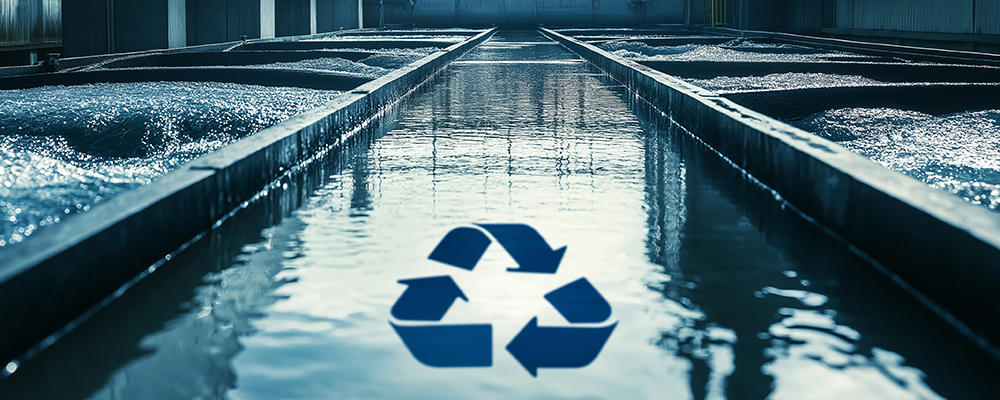
One of the most important developments in modern wastewater treatment is the transition from disposal to reuse. Water scarcity and sustainability pressures have made water recovery a strategic necessity.
Enzyme treatment improves the quality of treated wastewater by reducing organic complexity and residual pollutant load. This often makes water more suitable for tertiary purification systems and industrial reuse applications.
The outcome is significant. Industries can reduce freshwater dependence, lower water procurement costs and strengthen operational resilience.
In this model, wastewater is no longer simply treated and discarded. It becomes part of a circular water strategy.
Sludge Reduction and Waste Minimisation
Sludge disposal remains a costly burden in conventional wastewater treatment. Excess sludge increases transportation, disposal and environmental management requirements.
By improving organic breakdown efficiency, enzymes can significantly reduce sludge accumulation. Lower sludge volumes mean reduced disposal costs and more streamlined treatment operations.
This directly supports waste minimisation goals while improving the economic efficiency of wastewater systems.
Innovation Driving the Future of Enzymatic Water Treatment
Biotechnology continues to expand the capabilities of wastewater treatment enzymes. Research is improving enzyme stability, pollutant specificity and adaptability under industrial conditions. Modern Innovative formulations are now designed to perform across diverse wastewater profiles, varying temperatures and fluctuating pH environments.
Emerging innovations such as immobilised enzymes are also improving enzyme reusability, making treatment systems even more cost effective and scalable.
As these technologies advance, enzyme based wastewater treatment is becoming an increasingly strategic investment for industries seeking future ready sustainability solutions.
Conclusion
Modern water treatment is no longer limited to pollution control alone. It now represents a strategic opportunity to improve sustainability, recover resources and build more resilient industrial systems. Enzymes are transforming wastewater treatment by providing a precise, eco friendly and operationally efficient solution for breaking down pollutants, reducing chemical dependence and improving water reuse potential.
As industries move towards more sustainable wastewater management practices, enzyme technology is playing an increasingly central role in shaping cleaner and more resource efficient operations. Biolaxi Enzymes supports this transformation through scientifically developed enzyme solutions that help businesses improve wastewater treatment performance, reduce environmental impact and unlock greater value from modern water management systems.