
Protein plays an important role in the structure and processing behaviour of many foods. It influences the texture of meat, the properties of dough and the stability of beverages. When these characteristics need to be modified, manufacturers can use proteolytic enzymes to break down proteins in a controlled manner.
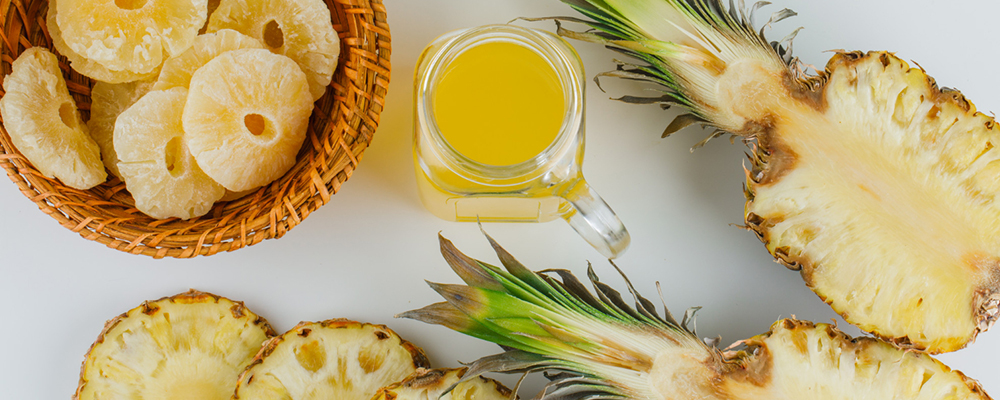
Bromelain is a plant derived proteolytic enzyme obtained from pineapple stems and fruit. Its ability to hydrolyse proteins has made it useful in several food processing applications, particularly where controlled protein breakdown can improve processing performance or product characteristics. Biolaxi Enzymes’ BL Bromelain has an activity range of 600–2400 GDU/g, with an optimum pH of 6–8 and temperature range of 35–50°C.
However, the usefulness of bromelain does not come from protein breakdown alone. The extent of hydrolysis needs to match the processing objective. Too little activity may produce limited results, while excessive hydrolysis can affect texture, structure or product quality. This makes process control central to the successful use of bromelain in food manufacturing.
Understanding the Role of Bromelain
Bromelain acts on proteins by hydrolysing peptide bonds and converting larger protein molecules into smaller peptides. The resulting change depends on the type of protein present, its accessibility and the conditions under which the enzyme is applied.
This gives food manufacturers an opportunity to modify a particular characteristic without making major changes to the overall formulation. A meat processor, for example, may use proteolysis to reduce toughness. A bakery may require controlled modification of gluten proteins, while a beverage producer may be interested in reducing protein related haze.
The same enzyme can therefore serve different purposes across the food industry. What changes is the substrate, the processing stage and the degree of hydrolysis required.
Meat Tenderisation Through Controlled Proteolysis
Meat tenderisation is one of the most established food applications of bromelain. Toughness is influenced by myofibrillar proteins and connective tissue, both of which can be affected by proteolytic enzymes. Bromelain can hydrolyse these proteins and contribute to a softer meat texture.
This can be useful when processors want to improve the eating quality of tougher cuts or increase the usability of raw materials that may otherwise have limited applications.
The challenge is achieving the right degree of tenderisation. If protein breakdown is insufficient, the desired texture may not be achieved. On the other hand, uncontrolled or excessive proteolysis can produce an overly soft or mushy texture. Research on plant proteases highlights enzyme concentration, treatment time, temperature and application method as important factors in controlling this effect.
Bromelain therefore works best when tenderisation is treated as a controlled processing step rather than simply increasing the amount of enzyme added to the meat.
Modifying Dough Properties in Baking
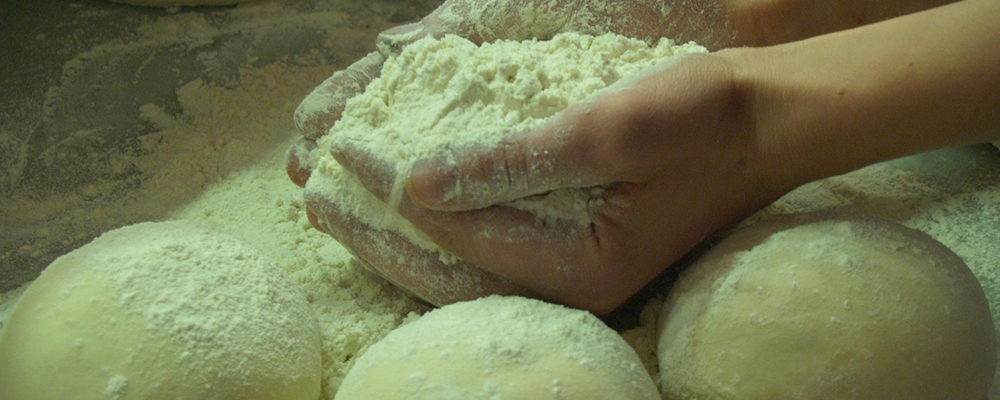
The same principle of controlled protein breakdown applies to bakery processing. Gluten proteins give dough much of its structure and influence properties such as elasticity, extensibility and handling.
Bromelain has been investigated for applications where controlled proteolysis can modify dough characteristics. Research and industry literature associate bromelain with dough relaxation and other changes in bakery processing.
For manufacturers, the objective is not to break down gluten as extensively as possible. The aim is to achieve the required degree of modification while retaining enough structure for the dough to perform during mixing, shaping, proofing and baking.
This makes enzyme dosage and treatment conditions particularly important. The formulation, flour characteristics and production method should all be considered when establishing the appropriate processing conditions.
Supporting Beverage Processing and Beer Clarification
Protein modification is also relevant in beverage production. In brewing, certain proteins can contribute to haze and affect the clarity and stability of beer.
Bromelain has been used in brewing applications to hydrolyse proteins associated with clarification and stability. Its proteolytic activity can help modify the protein fraction responsible for unwanted haze under appropriate processing conditions.
The objective, however, is not complete removal of proteins. Some proteins contribute to the characteristics of the finished beverage. Enzymatic treatment therefore needs to be controlled so that the targeted processing issue is addressed without unnecessarily changing other product qualities.
This illustrates why enzyme selection and process optimisation need to go together. The right enzyme can support a specific processing requirement, but its performance depends on when and how it is used.
Protein Hydrolysis for Food Ingredients
Bromelain’s application is not limited to modifying finished food products. Its proteolytic activity can also be useful when manufacturers need to process protein rich raw materials.
During enzymatic hydrolysis, larger proteins are broken into smaller peptides. This can alter properties such as solubility and make the resulting material suitable for different food ingredient applications. Bromelain has been reported for grain protein solubilisation and protein hydrolysis, among other food processing uses.
The required level of hydrolysis will depend on the intended application. A process designed to improve solubility may require a different endpoint from one intended to produce a particular protein hydrolysate.
For this reason, manufacturers need to define the desired product characteristics before deciding on enzyme activity, dosage and treatment conditions.
Applications in Fruit Processing
Bromelain has also been studied for fruit processing, including applications involving apple juice and the control of enzymatic browning.
Fresh fruit undergoes several biochemical reactions when it is cut, crushed or processed. Browning can occur when naturally occurring phenolic compounds are oxidised, affecting the appearance and perceived freshness of the product.
Bromelain has been reported as an enzyme that can contribute to browning control in selected fruit processing applications. However, its suitability depends on the particular fruit, processing conditions and desired outcome.
This is important when considering bromelain for less established applications. Laboratory or pilot trials can help determine whether the enzyme provides a meaningful processing benefit under the conditions used by a particular manufacturer.
What Determines Bromelain Performance?
Once the application has been identified, the next consideration is how to obtain consistent enzymatic activity. Bromelain performance can change with the processing environment, making several variables important during application development.
Enzyme activity
Commercial bromelain products can have different activity levels. BL Bromelain from Biolaxi Enzymes is specified at 600–2400 GDU/g. The required dosage should therefore be determined according to the activity of the selected preparation and the processing objective.
pH and temperature
The surrounding conditions influence enzyme performance. Biolaxi specifies an optimum pH of 6–8 and temperature range of 35–50°C for BL Bromelain. Actual application conditions should still be evaluated against the food matrix and process stage.
Treatment time
The longer bromelain remains active against its substrate, the greater the potential degree of hydrolysis. Treatment time should therefore be matched to the required endpoint.
Substrate characteristics
Protein concentration, structure and accessibility can vary considerably between raw materials. A dosage that works effectively for one substrate may not produce the same result in another.
These factors are interconnected. Changing temperature, for example, can alter the rate of enzymatic activity and therefore affect the treatment time required to achieve the same result.
Best Practices for Using Bromelain
Successful industrial enzyme application starts with defining the problem clearly. Manufacturers should first identify what needs to change and how that change will be measured.
For meat, this could mean establishing a target tenderness or texture. In baking, it may involve dough handling or extensibility. For brewing, the focus could be beverage clarity and stability. Once the endpoint is defined, processing trials can be used to establish suitable enzyme activity and operating conditions.
A practical development process should consider:
- The characteristics of the raw material
- The required degree of protein hydrolysis
- Enzyme activity and dosage
- Processing pH
- Temperature
- Contact time
- The stage at which the enzyme is introduced
- The method used to measure the final result
Small scale trials are particularly useful because they allow manufacturers to identify the point at which the desired effect is reached before applying the treatment at production scale.
Maintaining Product Quality During Enzyme Treatment
The most important consideration is finding the right balance between enzyme action and product quality.
More enzymatic activity does not automatically mean better processing. In meat, excessive hydrolysis can produce an undesirable texture. In dough, too much protein breakdown can weaken the structure. In beverages, excessive protein modification may affect characteristics that manufacturers want to retain.
Process optimisation should therefore focus on the required degree of modification, rather than maximum proteolytic activity.
Once suitable conditions have been established, maintaining them consistently becomes equally important. Variations in raw material composition, temperature, pH or treatment time can change the final outcome even when the same enzyme preparation is used.
Why Controlled Application Matters
Bromelain offers food manufacturers a way to introduce targeted protein modification into established processing systems. Its applications range from meat tenderisation and baking to brewing, protein hydrolysis and selected fruit processing operations.
What connects these applications is not the final product but the underlying enzymatic action. In each case, the manufacturer is using proteolysis to change a specific property of the raw material or intermediate product.
That makes application development more important than simply selecting an enzyme. The enzyme needs to be matched with the substrate, process conditions and desired endpoint. When these factors are considered together, bromelain can be incorporated into food processing with greater control and consistency.
Conclusion
Bromelain is a versatile proteolytic enzyme with applications across several areas of food processing. Its ability to hydrolyse proteins makes it useful for meat tenderisation, dough modification, beverage processing and protein hydrolysis, while further applications have been explored in fruit processing.
The effectiveness of bromelain depends on controlled processing rather than enzyme activity alone. Dosage, pH, temperature, treatment time and raw material characteristics all influence the degree of protein modification and the resulting product quality.
Biolaxi Enzymes provides BL Bromelain with an activity range of 600–2400 GDU/g, with an optimum pH of 6–8 and temperature range of 35–50°C. With application specific optimisation and appropriate process control, bromelain can support consistent protein modification and help food manufacturers address specific processing requirements efficiently.