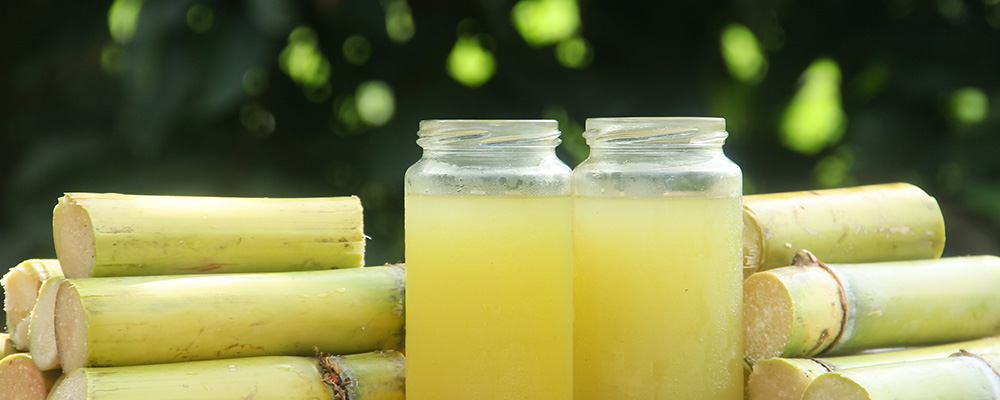
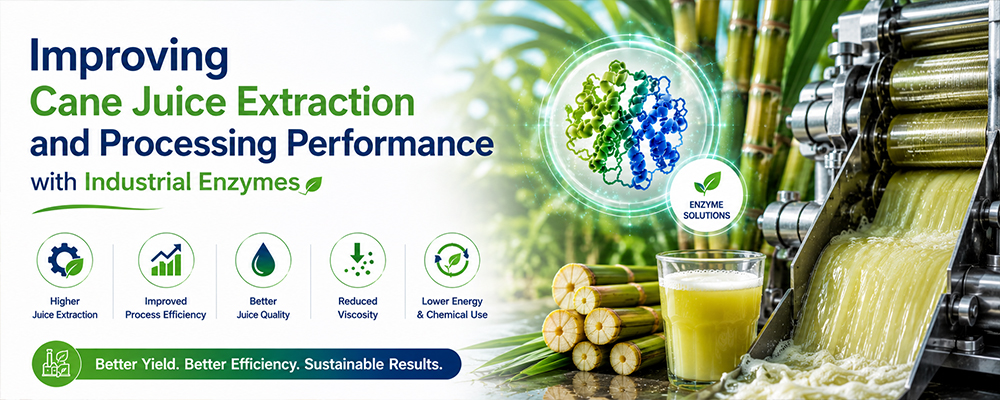
Sugar processing depends heavily on how efficiently cane juice moves through each stage of production. From extraction and clarification to evaporation and crystallisation, every step influences sugar recovery, product quality and operational stability. Even small inefficiencies can reduce yield, increase downtime and raise processing costs.
Modern sugar operations are therefore placing greater emphasis on process optimisation. Mills are looking for solutions that improve juice handling while reducing operational complications. Industrial enzymes are becoming an important part of this transition.
These enzyme systems help improve juice flow, reduce impurity related challenges and support cleaner processing conditions. Unlike purely chemical approaches, enzymes work with precision. They target specific compounds that interfere with extraction and clarification, helping mills achieve more stable and efficient performance.
Why Cane Juice Processing Creates Operational Challenges
Freshly extracted cane juice contains much more than sucrose. It also carries pectins, starches, fibres, proteins and suspended colloidal materials. These naturally occurring compounds increase viscosity and affect the behaviour of juice during processing.
As juice moves through the plant, these impurities can create several operational problems. Filtration becomes slower. Clarification efficiency decreases. Equipment surfaces accumulate deposits more rapidly.
In many mills, these conditions contribute to:
- Reduced extraction efficiency
- Poor juice settling
- Increased scaling and fouling
- Lower filtration performance
- Higher sugar losses during clarification
Over time, such issues affect both productivity and profitability. They also increase maintenance requirements across the processing line.
The Role of Industrial Enzymes in Sugar Processing
Industrial enzymes are designed to break down complex organic compounds that interfere with juice extraction and processing. Their action improves juice behaviour at a molecular level, allowing smoother handling and better separation of impurities.
Different enzymes perform different functions within sugar applications:
- Pectinases help reduce pectin related viscosity
- Cellulases assist in fibre degradation
- Hemicellulases break down structural plant materials
- Amylases help reduce starch related complications
Together, these enzyme systems improve juice fluidity and processing consistency. The impact is noticeable throughout the production cycle.
Improving Juice Extraction Efficiency
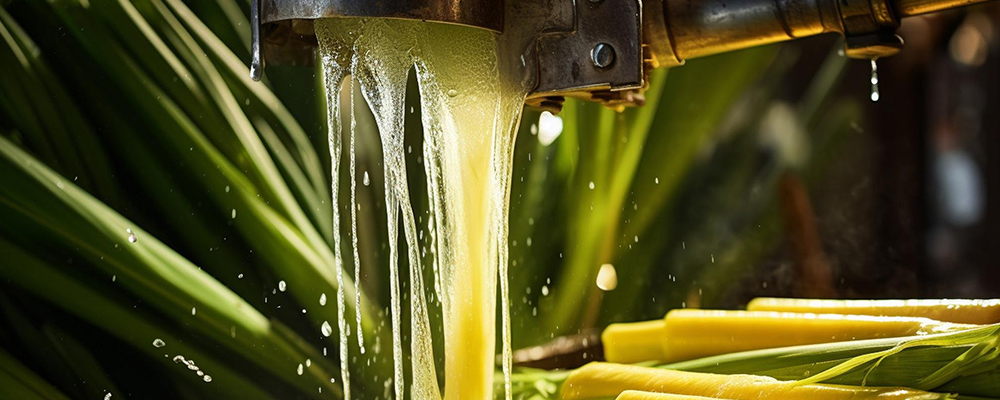
Efficient juice extraction is critical for maximising sugar recovery. However, fibrous cane structures naturally trap portions of juice and sucrose within the bagasse.
Industrial enzymes help weaken these structural barriers. By breaking down complex polysaccharides and fibre networks, they allow more juice to separate during crushing and milling operations.
This supports:
- Higher juice recovery
- Improved sucrose release
- Reduced sugar retention in bagasse
- Better milling performance
Even a small increase in extraction efficiency can significantly improve seasonal recovery figures. For large sugar operations, the cumulative impact becomes substantial.
Reducing Juice Viscosity for Smoother Processing
High viscosity remains one of the most persistent challenges in cane juice handling. Thick juice flows less efficiently and creates difficulties during pumping, settling and heat exchange operations.
Pectin rich juice streams are particularly difficult to process. Enzyme systems help by breaking large pectin molecules into smaller soluble fragments. As viscosity decreases, juice movement becomes smoother and more stable.
Lower viscosity contributes to:
- Faster juice flow
- Improved pumping efficiency
- Better settling behaviour
- Reduced processing bottlenecks
- More stable downstream operations
The overall process becomes easier to control. Equipment also operates under less stress.
Supporting More Effective Clarification
Clarification plays a major role in determining final sugar quality. Suspended solids, colloidal particles and fibrous impurities can interfere with proper settling if not managed efficiently.
Industrial enzymes improve clarification by destabilising complex impurity structures. This allows suspended materials to separate more effectively from the juice phase.
As a result, mills may achieve:
- Reduced turbidity
- Cleaner clarified juice
- Improved settling performance
- Lower suspended solid content
- Better downstream process stability
Cleaner juice entering evaporation and crystallisation stages helps improve sugar quality and operational consistency.
Minimising Fouling and Scale Formation
Fouling inside heaters, evaporators and pipelines reduces heat transfer efficiency and increases cleaning frequency. Scale accumulation can also interrupt production and increase maintenance costs.
Enzyme supported processing helps reduce the concentration of problematic compounds before they accumulate on equipment surfaces. This improves operational continuity across the plant.
Benefits may include:
- Reduced scale formation
- Lower equipment fouling
- Improved heat exchange performance
- Reduced maintenance interruptions
- Better equipment reliability
For sugar operations running continuously during crushing season, minimising downtime is extremely important.
Improving Sugar Recovery and Yield
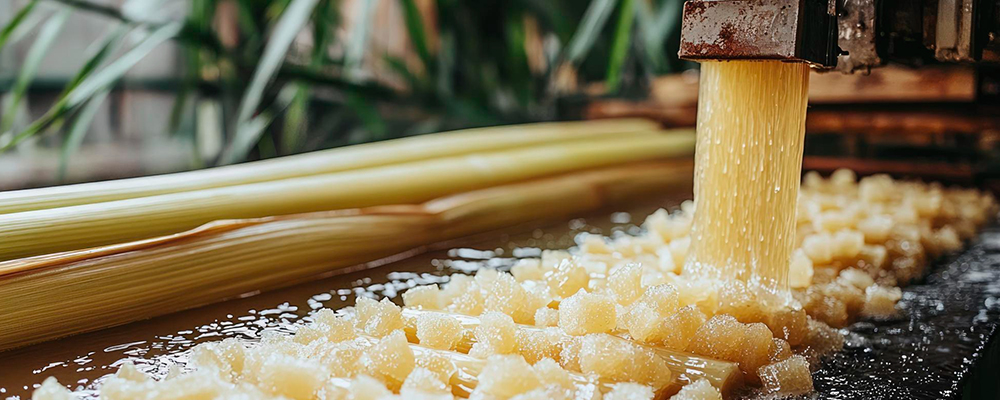
Sucrose losses often occur when impurities trap sugar molecules within mud fractions and suspended solids. Industrial enzymes help release these trapped sugars by breaking down complex organic structures.
Improved clarification and smoother juice handling also support better crystallisation efficiency later in the process.
Potential advantages include:
- Higher sucrose recovery
- Improved crystal formation
- Reduced sugar losses
- Better production consistency
- Enhanced process efficiency
Higher recovery rates directly influence operational returns. They also improve raw material utilisation across the entire process cycle.
Supporting More Efficient Resource Utilisation
Traditional clarification methods often depend heavily on chemicals and prolonged heating. While effective in some cases, these approaches increase energy demand and operational cost.
Industrial enzymes provide a more targeted solution. Their activity supports efficient processing under controlled conditions without excessive chemical intensity.
This may contribute to:
- Lower chemical dependency
- Reduced energy consumption
- Improved process optimisation
- Lower wastewater burden
- Better operational efficiency
As sustainability expectations continue to grow, these advantages are becoming increasingly valuable for sugar operations.
Managing Seasonal Variability in Cane Quality
Sugarcane quality rarely remains constant throughout the crushing season. Weather conditions, harvesting practices and cane maturity all influence juice composition.
These fluctuations can affect viscosity, fibre content and clarification performance. Industrial enzyme systems help stabilise operations by compensating for variations in juice characteristics.
This supports:
- More consistent juice quality
- Improved operational control
- Greater process predictability
- Better handling of seasonal variability
Stable processing conditions allow mills to maintain performance even when raw material quality changes.
The Future of Enzyme Supported Sugar Processing
The sugar industry continues to focus on improving yield, reducing waste and increasing operational efficiency. Industrial enzymes are becoming an increasingly important part of these optimisation strategies.
Modern enzyme systems are now more specialised and process specific. Ongoing developments are expected to improve:
- Extraction precision
- Clarification efficiency
- Process stability
- Energy optimisation
- Seasonal adaptability
As sugar operations continue modernising, enzyme supported processing will play an even greater role in improving overall plant performance.
Conclusion
Improving cane juice extraction and processing performance requires more than mechanical efficiency alone. Juice behaviour, impurity control and process stability all influence sugar recovery and operational consistency. Industrial enzymes help address these challenges by improving juice flow, reducing viscosity, enhancing clarification and supporting better sucrose recovery throughout processing.
Biolaxi Enzymes supports sugar processing operations with carefully developed enzyme solutions designed to improve extraction efficiency, optimise juice clarification and enhance overall processing performance. Through customised enzyme systems, strong research expertise and application focused support, Biolaxi Enzymes helps sugar operations achieve cleaner processing, improved recovery and more reliable production efficiency across modern sugar applications.