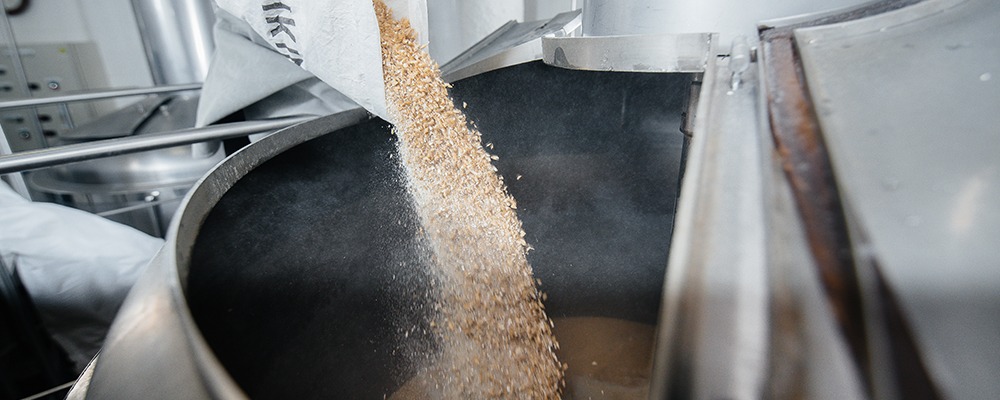
Malting is an age-old process at the heart of brewing, distilling, and food production. It is a finely balanced art that converts raw grains, primarily barley, into malt by encouraging germination and then halting it at the right stage. Traditionally, this process can be both time-intensive and resource-heavy, demanding precision to maintain quality and consistency.
As global demand for beer, spirits, and malt-based food products grows, producers face pressure to speed up production without risking the character and flavour that define their products. This raises an important question: can enzymatic support accelerate malting while ensuring uncompromised quality? Increasingly, science points to yes.
Understanding the Traditional Malting Process
Malting involves steeping, germination, and kilning. During steeping, barley grains are soaked in water to trigger germination. Germination activates the grain’s own enzymes, breaking down cell walls and converting stored starches into simpler sugars. Finally, kilning halts germination while imparting desirable flavour and colour to the malt.
The natural enzymatic activity in barley is essential for brewing and distilling, as these enzymes later help convert starches into fermentable sugars. However, natural enzymatic activity is limited, and the germination phase can stretch over several days. This makes malting one of the most time-consuming steps in brewing and distilling, creating bottlenecks for producers striving to meet increasing demand.
The Push for Faster Malting
Breweries and distilleries worldwide face rising competition, stricter efficiency demands, and greater sustainability expectations. Traditional malting, though reliable, can be slow and inconsistent depending on barley quality, water absorption, and climatic conditions.
A shorter malting cycle can reduce operational costs, conserve water and energy, and increase overall throughput. Yet speed alone cannot be the sole measure of success. Quality, consistency, and flavour must remain intact, particularly in brewing and distilling where even slight variations in malt profile can affect the final product. This is why the role of exogenous enzymes has gained attention: they hold the potential to reduce time without altering essential characteristics.
How Enzymes Can Support Malting
Enzymes are nature’s catalysts, capable of accelerating biochemical reactions with precision. When applied thoughtfully in malting, they complement the grain’s native enzymatic activity and can compensate for shortfalls in less-than-ideal barley quality. Some of the most relevant enzymes for malting and brewing include:
- Amylases: Break down starch into fermentable sugars more efficiently.
- Proteases: Improve protein modification, which enhances yeast nutrition and foam stability in beer.
- Cellulases and Hemicellulases: Assist in breaking down cell wall components, allowing better water absorption and faster germination.
- Glucanases: Reduce β-glucans, improving wort filtration and final product clarity.
By using carefully formulated enzyme blends, maltsters can accelerate the steeping and germination phases, shorten overall process times, and still deliver malt with the required characteristics.
Addressing Concerns About Enzymatic Intervention
One of the biggest concerns surrounding enzymatic support is whether it compromises flavour or authenticity. Traditionalists argue that malt flavour, aroma, and colour are products of natural enzymatic activity during germination and kilning, and that any intervention could dilute the essence of the malt.
However, when applied scientifically, enzymes do not replace traditional processes but rather optimise them. They help maltsters overcome natural limitations without altering the intrinsic biochemical pathways that define malt. For example, by reducing β-glucan levels more effectively, enzymes can improve beer clarity and stability without changing its taste profile. Similarly, proteases can aid in achieving better balance in malt modification without interfering with flavour compounds developed during kilning.
Instead of being a shortcut, enzymatic support can be seen as a modern refinement of malting, one that ensures consistency across varying barley harvests and environmental conditions.
The Sustainability Angle
Sustainability is becoming a decisive factor in the brewing and distilling industries. Traditional malting consumes large volumes of water and energy, especially during steeping and kilning. Delays or inefficiencies in germination mean more resources are used to achieve the same result.
By accelerating the process, enzymes contribute directly to reducing water usage, lowering energy consumption, and cutting overall carbon footprint. Faster malt production also means less storage and handling costs, further supporting eco-friendly practices.
For breweries and distilleries aiming to meet sustainability targets, enzymatic support in malting is not merely an option but a strategic advantage. It aligns process efficiency with environmental responsibility, a combination increasingly valued by regulators and consumers alike.
Global Market Implications
As consumer tastes evolve and demand grows for craft beers, premium spirits, and malt-based foods, producers must scale without compromising quality. Enzymatic solutions offer a way to standardise output while accommodating growth. Large breweries already employ exogenous enzymes in brewing to ensure efficiency and consistency; extending their use to malting is a logical step forward.
For smaller producers, enzymes can level the playing field, enabling them to achieve consistent quality even with limited resources. This opens opportunities for innovation, experimentation, and niche product development while still controlling costs.
Is Enzymatic Support the Future of Malting?
The future of malting will likely be a hybrid model, balancing tradition with innovation. Purely traditional malting will continue to appeal to heritage breweries and distilleries that market authenticity above all else. Yet the wider industry, driven by efficiency and sustainability, will increasingly adopt enzymatic support.
Just as mechanisation and automation transformed agriculture and manufacturing, enzymatic innovation has the potential to reshape malting. The critical factor lies in integration: enzymes should not be seen as replacements but as allies, working alongside natural processes to enhance both speed and quality.
Conclusion
The challenge of accelerating malting without sacrificing quality is no longer a theoretical debate. Advances in enzymatic science demonstrate that it is possible to save time, reduce resource consumption, and maintain consistency across batches. Enzymes allow maltsters to overcome limitations of raw material variability and environmental constraints while still preserving the character that defines malt. In doing so, they strike a vital balance between tradition and innovation.
Biolaxi Enzymes, with its focus on customised enzyme formulations and eco-safe solutions, is well-positioned to support this transformation. By combining scientific expertise with practical application across industries, the company helps producers achieve efficiency, sustainability, and superior results. As demand grows and malting challenges evolve, Biolaxi remains a trusted partner in delivering high-quality enzymatic solutions that respect tradition while embracing the future.