In an industry as competitive and resource-intensive as alcohol production, every litre matters. Distilleries across the world are under continuous pressure to increase yields, reduce raw material consumption, and maintain consistent quality, all while keeping production costs under control. In this context, enzymes have emerged as game-changers, driving greater efficiency and productivity through scientific precision and innovation. The adoption of industrial enzymes has transformed alcohol manufacturing, enabling producers to achieve higher output using fewer resources. This smart, sustainable, and cost-effective approach has reshaped the economics of modern distilleries.
Understanding the Role of Enzymes in Alcohol Production
Enzymes are biological catalysts that accelerate chemical reactions without being consumed in the process. In alcohol production, they play a crucial role in breaking down complex substrates such as starches and proteins into simpler, fermentable sugars. This process ensures that raw materials are utilised to their maximum potential, translating directly into increased alcohol yield.
For example, in grain-based distilleries, enzymes such as alpha-amylase, glucoamylase, and pullulanase are used to hydrolyse starch efficiently. These enzymes work at specific temperatures and pH levels, ensuring optimal conversion rates. By replacing or supplementing traditional chemical catalysts, enzymes offer cleaner, safer, and more energy-efficient processing.
Beyond conversion efficiency, enzymes also enhance fermentation by improving nutrient availability for yeast. This leads to faster fermentation rates, higher ethanol concentration, and reduced risk of contamination. As a result, distilleries can produce more alcohol in less time while maintaining product quality and consistency.
Reducing Raw Material Costs
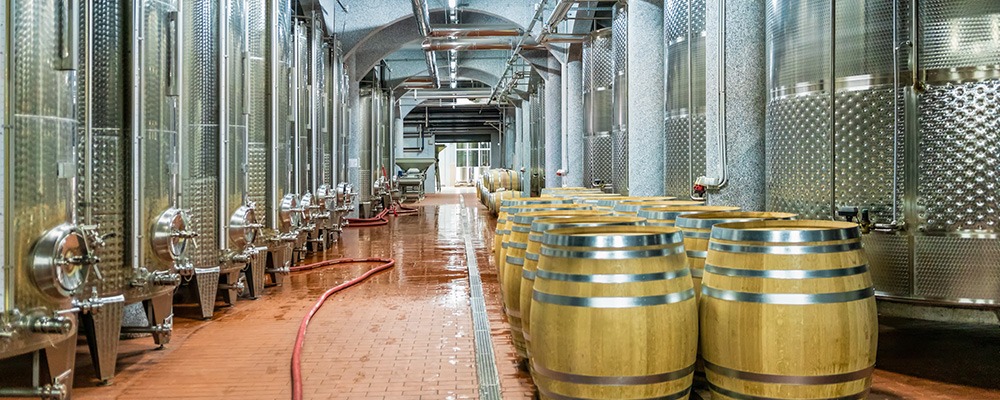
One of the biggest advantages of enzyme-based processing is the ability to extract more alcohol from the same quantity of feedstock. In traditional processes, a portion of starch remains unconverted due to inefficient hydrolysis. With the right combination of enzymes, this loss can be minimised, allowing suppliers to produce the same amount of alcohol with less grain or molasses.
This efficiency has significant economic implications. Reduced raw material consumption directly lowers procurement costs, which form a major portion of total production expenses. Furthermore, enzymes facilitate the use of lower-grade or alternative raw materials, such as broken rice or surplus agricultural produce, without compromising on yield. This flexibility empowers suppliers to adapt to price fluctuations and availability challenges in agricultural markets.
Energy Efficiency and Process Optimisation
The economic benefits of enzymes extend beyond raw materials. Many enzymes function effectively at moderate temperatures, allowing distilleries to operate at lower energy levels during liquefaction and saccharification. This reduction in steam and fuel usage can significantly cut down on energy bills, improving overall cost-efficiency.
Additionally, enzymes simplify process flows and reduce the need for multiple steps or prolonged heating. The ability to run continuous fermentation systems or simultaneous saccharification and fermentation (SSF) processes further boosts productivity. Less downtime, faster turnaround, and reduced equipment wear all contribute to long-term savings.
Environmental and Regulatory Advantages
Economics today cannot be separated from sustainability. As environmental regulations tighten and consumers demand greener products, enzymes offer a clear advantage. They enable pollution-free processes by reducing chemical usage and wastewater load. The production of fewer by-products and less sludge minimises waste handling and disposal costs.
Enzymes also help distilleries reduce their carbon footprint. By promoting cleaner reactions and lower energy consumption, they contribute to overall sustainability goals. Many companies today are also rewarded for adopting eco-friendly technologies, either through government incentives or enhanced brand reputation. Thus, the economic gains of enzymes are not just limited to operational efficiency, they extend into regulatory compliance and corporate responsibility.
Improved Quality and Consistency
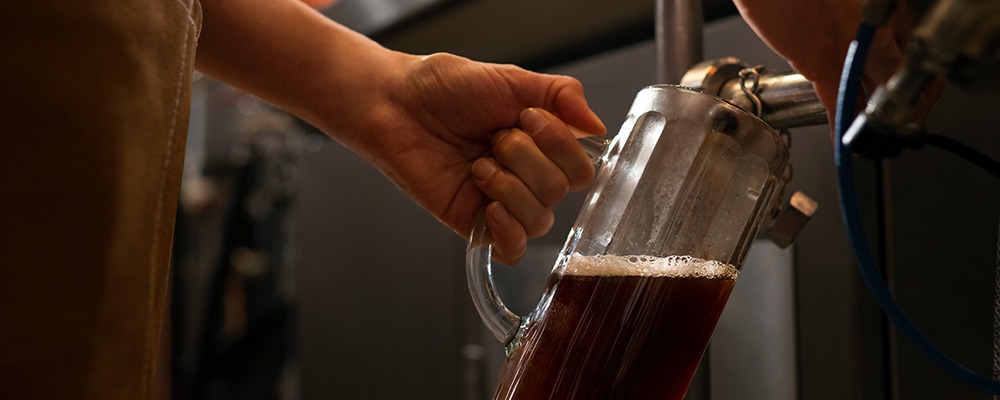
Consistency is the hallmark of a successful alcohol brand. Enzymes ensure standardisation by delivering precise control over reactions, temperature, and time. This predictability translates into uniform product quality across batches, reducing rejection rates and reprocessing efforts.
Moreover, enzyme-assisted processes often improve the sensory characteristics of the final product. In bioethanol, they help achieve higher purity, while in potable spirits, they enhance flavour and aroma profiles. Consistency and quality not only help in brand building but also open doors to premium pricing and export opportunities.
Long-term Return on Investment
While enzyme-based processes may initially require a shift in equipment calibration or staff training, the long-term returns are undeniable. The savings from reduced raw material and energy usage, improved yields, and lower waste management costs quickly offset any initial expenditure. Additionally, enzymes extend equipment life by reducing corrosion and scaling associated with harsh chemicals, further lowering maintenance costs.
From an economic standpoint, enzymes allow distilleries to achieve more with less. Whether the goal is to scale operations, enter new markets, or improve margins, enzyme integration supports growth in a financially sustainable manner.
Innovation and the Future of Enzymatic Alcohol Production
Research and development in enzyme technology continue to expand possibilities. Today, tailored enzyme complexes are being designed to work under specific process conditions, enhancing flexibility for diverse feedstocks and climatic variations. Immobilised enzymes bound to solid supports are gaining attention for their reusability and stability, reducing costs even further.
With advancements in biotechnology, the next generation of enzymes promises greater resilience, faster reaction rates, and compatibility with evolving industrial systems. As automation and AI-driven analytics become standard in distilleries, enzymes will complement these technologies by ensuring biological precision in every stage of production.
Conclusion
In today’s competitive and resource-conscious market, enzymes have redefined the economics of alcohol manufacturing. By enhancing raw material utilisation, improving energy efficiency, and supporting sustainable practices, they offer a smart solution for achieving higher output with lower input. Distilleries embracing enzyme-based processes are not only improving profitability but also aligning with global trends in green manufacturing and operational excellence.
As a leading producer of enzyme formulations, Biolaxi Enzymes Pvt Ltd has been at the forefront of driving this transformation. With scientific and engineering expertise, they provide innovative and customised enzyme solutions for grain distilleries, ensuring faster processes, better quality, and greater efficiency. Backed by years of experience and a commitment to eco-safe innovation, Biolaxi continues to empower suppliers worldwide to craft excellence.