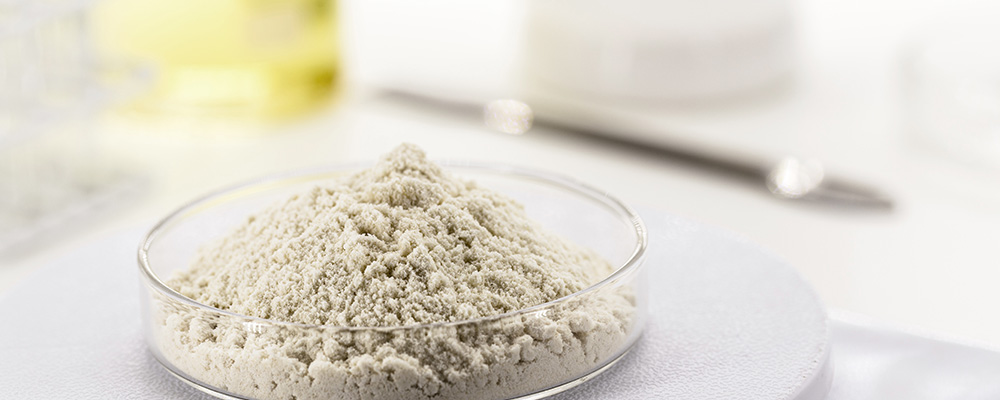
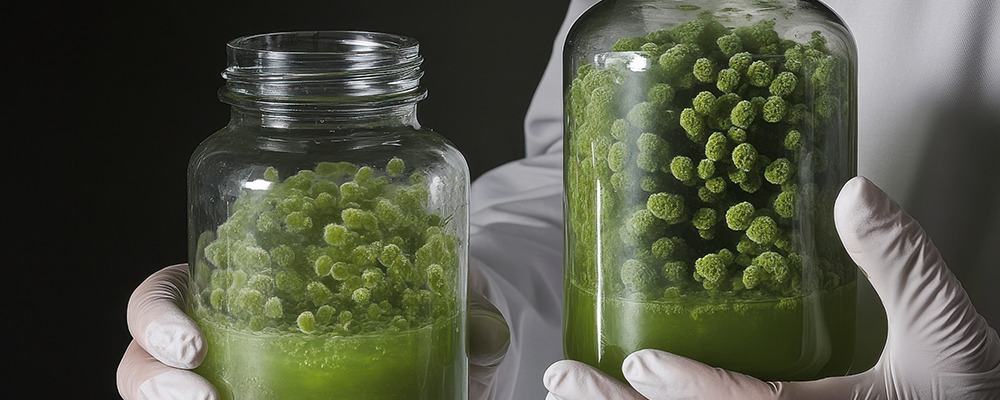
In today’s fast-paced industrial landscape, scaling up production without compromising on quality is a constant challenge. Whether in food processing, textiles, pharmaceuticals, or bioethanol production, they walk a tightrope striving for greater output while preserving consistency, cost-effectiveness, and environmental compliance. One technology quietly revolutionising this balancing act is the use of immobilised enzymes. These specialised biological catalysts are engineered for reusability, stability, and precision making them indispensable for industrial processes that demand both scale and excellence.
The Need for Scaling Up
Modern industries are under increasing pressure to meet global demand, reduce environmental impact, and enhance profitability. Scaling up, however, is not simply about increasing volume; it involves a series of interlinked decisions around raw materials, process design, energy usage, and waste management. Amidst this complexity, quality often becomes the first casualty. Traditional enzymatic processes though effective are prone to fluctuations due to sensitivity to pH, temperature, and shear forces. Moreover, free enzymes can be costly when used in bulk due to single-use limitations and stability concerns.
This is where immobilised enzymes come in. By anchoring enzymes onto solid supports or encapsulating them within matrices, industries are unlocking the potential to scale processes sustainably. The immobilisation technique does not only enhance the shelf life and operational stability of enzymes but also allows for their reuse across multiple cycles dramatically reducing operational costs.
Understanding Immobilised Enzymes
Immobilisation involves fixing enzymes to a carrier material or trapping them within a structure, thereby making them more robust to industrial conditions. This setup allows enzymes to retain their catalytic activity while being more resilient to heat, pH changes, and mechanical stress. Common methods of immobilisation include adsorption, covalent bonding, entrapment, and encapsulation each with its own advantages depending on the process requirements.
The fundamental benefit of immobilised enzymes is process control. Their fixed nature ensures a consistent reaction rate, reducing batch variability and improving the predictability of production. This is particularly crucial in industries like pharmaceuticals or food processing, where consistency and compliance with strict regulatory standards are non-negotiable.
Economic and Environmental Advantages
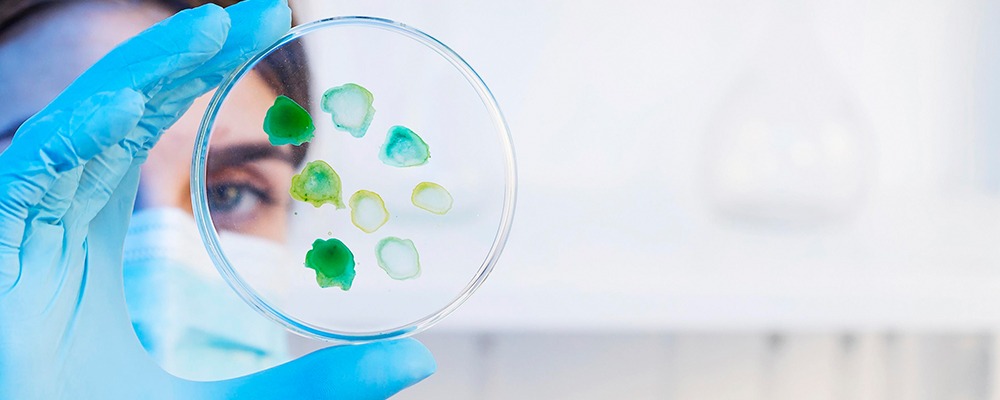
One of the biggest drivers behind the adoption of immobilised enzymes is their economic viability in scale-up scenarios. Since immobilised enzymes can be reused repeatedly, the cost per cycle drops significantly compared to free enzymes. Additionally, immobilised systems often facilitate easier separation of enzymes from the product, reducing downstream purification steps and associated costs.
From an environmental standpoint, immobilised enzymes help reduce enzymatic waste and allow for cleaner production processes. Their reusability directly correlates with lower enzyme consumption, which in turn reduces the strain on natural resources and energy-intensive enzyme production. In an era when sustainability is more than just a buzzword, the shift towards immobilised enzyme technology represents a genuine stride forward.
Industry-Specific Applications
Food and Beverage
In the food and beverage industry, immobilised enzymes are used extensively for applications such as lactose hydrolysis in dairy, juice clarification, and starch conversion. These processes benefit from the ability of immobilised enzymes to work under extended operational times without losing activity ideal for continuous processing environments.
For example, immobilised glucose isomerase plays a key role in high fructose syrup production, allowing for stable and cost-effective conversion of glucose to fructose. The reusability of the enzyme and its resistance to inhibitors make it a commercially attractive option for large-scale operations.
Textiles
Textile processing, especially desizing and bio-polishing, benefits from immobilised enzymes due to their controlled action and minimal fabric damage. Traditional chemical treatments are often harsh and non-selective, but immobilised enzymatic treatments offer a gentler and more precise alternative. Moreover, as textile mills move towards more eco-friendly practices, enzyme immobilisation aligns perfectly with their sustainability goals.
Pharmaceuticals
The pharmaceutical industry demands precision, sterility, and repeatability all qualities that immobilised enzymes inherently support. In the synthesis of active pharmaceutical ingredients (APIs), where biocatalysis is employed to create complex molecules, immobilised enzymes ensure reactions are carried out efficiently and consistently. Their stability reduces the risk of contamination and supports compliance with Good Manufacturing Practices (GMP).
Bioethanol and Renewable Energy
In the field of renewable energy, particularly grain distillery and bioethanol production, immobilised enzymes aid in the breakdown of complex starches into fermentable sugars. They offer durability under harsh processing conditions, such as high temperatures and varying pH levels, which are commonly encountered during fermentation. Their use leads to improved yield, shorter fermentation cycles, and enhanced process economics.
Engineering Considerations and Limitations
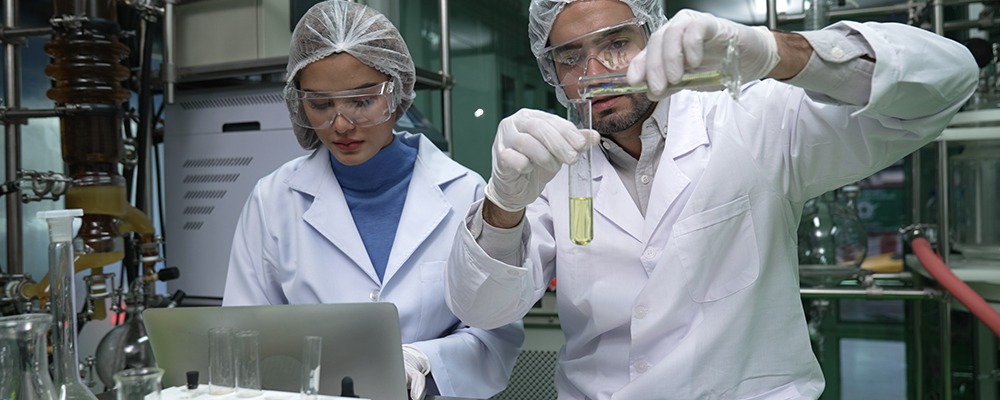
While the advantages are compelling, the successful implementation of immobilised enzymes requires careful engineering consideration. The choice of support material, method of immobilisation, and compatibility with process conditions are critical for optimal performance. Poorly designed immobilisation can lead to reduced enzyme activity or leaching of the enzyme from the support, nullifying the benefits.
Additionally, initial setup costs for immobilised enzyme systems may be higher than conventional setups. However, these are generally offset over time by savings in enzyme use, reduced waste treatment costs, and increased product yields.
A Future-Proof Technology
With advancing research in enzyme engineering and material science, the future of immobilised enzymes is incredibly promising. New-generation supports are being designed for better mass transfer, improved binding efficiency, and minimal loss of activity. Integration of immobilised enzyme reactors with automated control systems is enabling continuous, real-time monitoring of industrial processes driving innovation across sectors.
As companies increasingly adopt circular economy principles and green chemistry, immobilised enzymes will become a cornerstone in achieving responsible scale-up. Their ability to align economic goals with environmental stewardship makes them a key player in the evolution of industrial biotechnology.
Conclusion
Scaling up without sacrificing quality is not just a possibility, it’s a necessity. Immobilised enzyme technology offers the perfect convergence of performance, consistency, and sustainability. By providing long-term stability, reduced operational costs, and eco-safe processing, immobilised enzymes empower industries to deliver excellence at scale.
At the forefront of this shift is Biolaxi Enzymes, a trusted name in enzyme innovation and application. With a sharp focus on quality, customisation, and technological advancement, Biolaxi offers a dependable range of immobilised enzyme solutions tailored to diverse industries. Their expertise ensures that businesses don’t have to choose between growth and quality; they can achieve both.