

Aroma is one of the most distinctive attributes that defines the character and quality of tea. From delicate floral notes to deep malty undertones, the aromatic profile of tea significantly influences consumer perception and market value. For tea makers, achieving consistent aroma development during processing is therefore a key objective.
However, aroma formation in tea is a highly complex biochemical process influenced by leaf quality, oxidation dynamics and processing conditions. Even minor variations in these factors can lead to noticeable differences in flavour and fragrance between batches. Targeted enzymatic support has emerged as an effective approach for improving aroma development while maintaining consistency in modern tea manufacturing.
Understanding Aroma Formation in Tea Processing
The aromatic profile of tea develops primarily during the oxidation stage of processing. When freshly harvested tea leaves are rolled or macerated, cellular structures break down and naturally occurring enzymes interact with polyphenols and other compounds within the leaf.
These reactions trigger a cascade of biochemical transformations that generate volatile aromatic molecules. The balance between oxidation intensity and reaction timing determines whether the final tea exhibits floral, fruity, malty or woody notes.
Precise control of these enzymatic reactions is therefore critical for achieving desirable aroma characteristics.
Challenges in Maintaining Consistent Aroma Profiles
Tea manufacturing relies on agricultural raw material that is inherently variable. Differences in leaf maturity, climatic conditions and cultivation practices can significantly influence the chemical composition of harvested leaves.
These variations affect the concentration of flavour precursors and the activity of natural enzymes present in the leaf. As a result, identical processing conditions may produce different aromatic outcomes across batches.
Environmental factors such as temperature and humidity during withering and oxidation further complicate process control. Without careful management, these variables may lead to underdeveloped or overly harsh aroma profiles.
Role of Targeted Enzymatic Support in Tea Processing
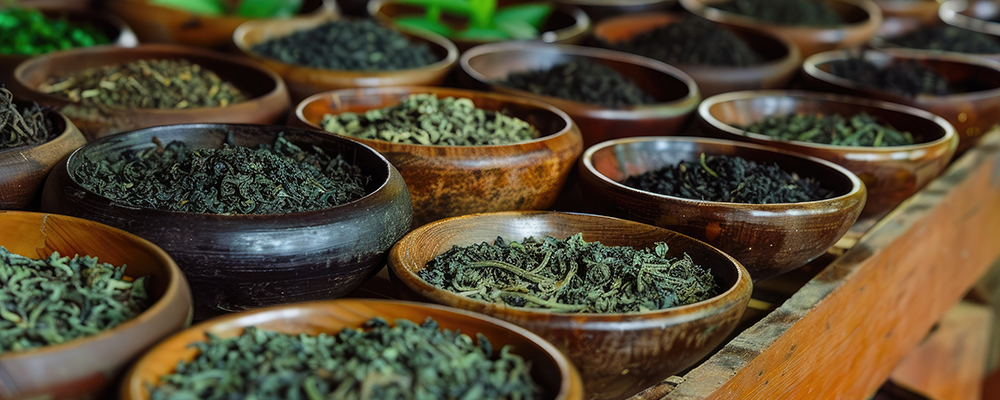
Targeted enzyme solutions provide an additional level of biochemical control during tea manufacturing. By supplementing or enhancing the natural enzymatic reactions within the leaf, these enzymes help regulate oxidation pathways responsible for aroma development.
Enzymatic support can influence several aspects of the process:
- Improved conversion of flavour precursors into aromatic compounds
- Enhanced development of desirable floral and fruity notes
- More consistent oxidation behaviour across variable leaf quality
- Balanced flavour profiles with reduced bitterness or harshness
Through controlled enzymatic activity, tea makers can guide complex biochemical reactions toward more predictable and desirable outcomes.
Optimising Aroma During Different Processing Stages
Aroma formation in tea begins during withering and intensifies during rolling and oxidation. Each stage contributes to the transformation of chemical precursors into volatile aromatic compounds.
Enzymatic solutions can support these stages by improving substrate availability and promoting efficient biochemical reactions. During oxidation, enzymes assist in the controlled transformation of polyphenols, helping develop the characteristic aroma associated with high quality black and speciality teas.
By stabilising these reactions, enzymes help ensure that aroma development remains consistent even when raw material quality varies.
Benefits for Large Scale Tea Manufacturing
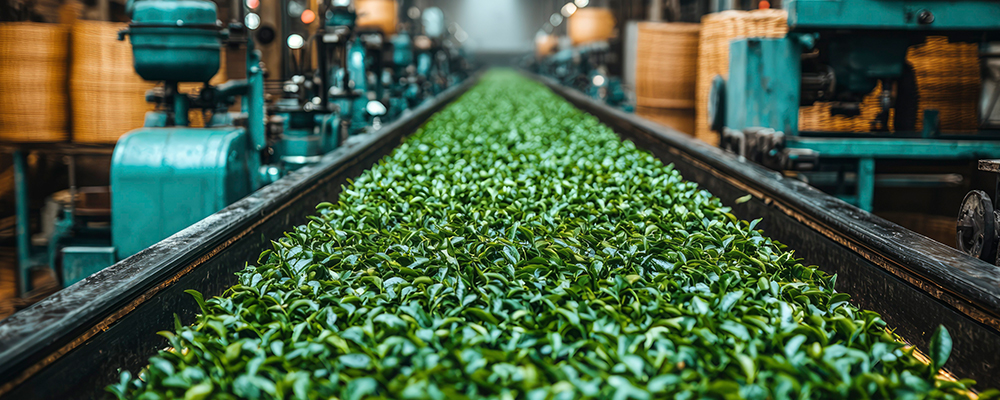
In industrial tea production, maintaining consistent sensory characteristics across large volumes is essential for brand reputation. Even small deviations in aroma or flavour can affect product grading and consumer satisfaction.
The integration of enzyme technology provides several operational advantages:
- Improved consistency in aroma development across batches
- Greater control over oxidation reactions during processing
- Reduced dependence on strict environmental conditions
- Enhanced product differentiation through refined flavour profiles
These benefits enable tea makers to maintain quality standards while increasing processing efficiency.
Supporting Innovation in Specialty Tea Products
As global tea markets evolve, buyers are increasingly exploring premium and specialty products with distinctive aroma profiles. Enzyme technology offers new possibilities for tailoring flavour characteristics while preserving traditional processing techniques.
By guiding biochemical reactions in a controlled manner, enzymes allow producers to experiment with new sensory attributes while maintaining process reliability. This capability is particularly valuable in specialty teas where aroma complexity plays a central role in product identity.
Conclusion
Aroma development in tea manufacturing depends on intricate biochemical reactions that occur during processing. Variability in raw leaf composition and environmental conditions often makes it difficult to achieve consistent aromatic profiles. Targeted enzymatic support provides an effective solution by enhancing natural oxidation pathways and promoting the formation of desirable flavour compounds.
Biolaxi Enzymes contributes to modern tea processing through specialised enzyme technologies designed to support controlled oxidation and aroma development. By integrating enzymatic precision into tea manufacturing, Biolaxi helps producers achieve consistent fragrance, refined flavour profiles and reliable product quality across diverse tea varieties.