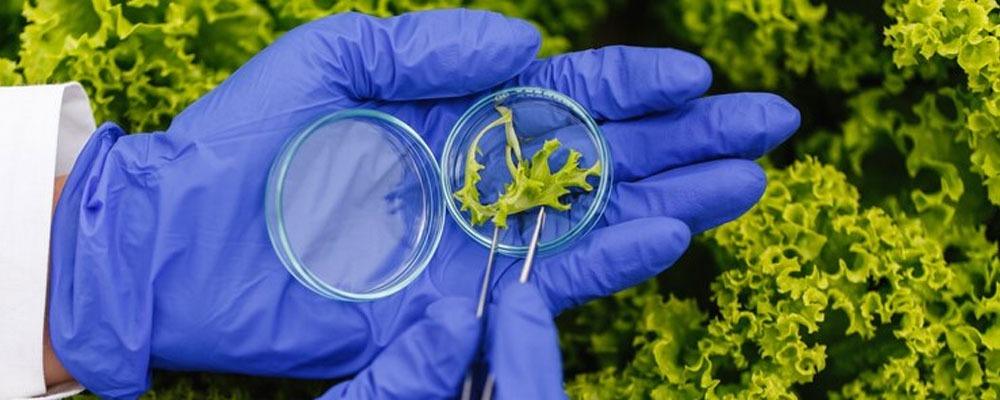

Enzymes have become integral to the pharmaceutical industry, playing a pivotal role in drug development, synthesis, and quality control. These biological catalysts offer high specificity, efficiency, and sustainability in processing, making them ideal for modern pharmaceutical applications. With growing demand for green chemistry, cost-effectiveness, and precision in drug formulation, enzymes are now widely used in both traditional drug manufacturing and advanced biotechnological processes.
What Problems Does the Industry Face, and How Do Enzymes Help?
The pharmaceutical industry is under constant pressure to improve efficiency, reduce production costs, and meet stringent environmental and regulatory standards. Key challenges include:
- Complex and time-consuming synthesis processes
- Low yield and purity of certain compounds
- Environmental concerns due to the use of harsh chemicals
- Limited selectivity and specificity in chemical reactions
- High operational and energy costs
- Need for sustainable and eco-friendly processes
How Enzymes Help:
Enzymes address these issues through their ability to catalyze specific biochemical reactions under mild conditions. Their advantages include:
- High specificity, reducing unwanted by-products
- Milder reaction conditions, cutting energy usage and costs
- Improved yield and purity, enhancing product quality
- Biodegradability, contributing to greener manufacturing
- Facilitation of stereoselective synthesis, crucial for active pharmaceutical ingredients (APIs)
Type of Enzyme Used in the Pharmaceutical Industry
Different classes of enzymes are employed across various stages of pharmaceutical production. Here is a detailed overview:
- Hydrolases
These include proteases, lipases, and amylases. They catalyze the hydrolysis of chemical bonds and are used in drug formulation and active ingredient synthesis.
-
- Proteases: Used to hydrolyze peptide bonds, especially in the production of protein-based drugs.
- Lipases: Used in the resolution of racemic mixtures and synthesis of chiral intermediates.
- Amylases: Applied in modifying starch-based excipients and producing sugar derivatives.
- Oxidoreductases
This group includes oxidases, dehydrogenases, and peroxidases, which catalyze oxidation-reduction reactions.
-
- Dehydrogenases: Aid in the synthesis of chiral alcohols and ketones.
- Peroxidases: Used for detoxifying certain compounds and assisting in biosensor development.
- Transferases
These enzymes transfer functional groups between molecules. Examples include transaminases and glycosyltransferases.
-
- Transaminases: Widely used for producing optically active amines, essential in drug synthesis.
- Glycosyltransferases: Involved in glycosylation reactions important for therapeutic proteins and monoclonal antibodies.
- Lyases
Lyases cleave bonds by means other than hydrolysis and oxidation, often forming double bonds or rings.
-
- Decarboxylases and aldolases: Used in the synthesis of important pharmaceutical intermediates.
- Isomerases
These enzymes catalyze structural rearrangements within molecules.
-
- Racemases and epimerases: Employed in converting one stereoisomer to another, ensuring the desired bioactivity in chiral drugs.
Application of Enzymes in Pharmaceutical Industry
Enzymes are utilized in a wide range of pharmaceutical applications, from early-stage drug discovery to final formulation and quality control. Below are detailed applications:
- Chiral Drug Synthesis
Many drugs require specific enantiomers for effectiveness. Enzymes such as lipases, transaminases, and dehydrogenases enable enantioselective synthesis of chiral molecules with high yield and purity.
- Biocatalytic Production of APIs
Enzymes catalyze the synthesis of APIs under mild conditions, enhancing selectivity and reducing the need for hazardous chemicals. For example, statins and certain β-lactam antibiotics are synthesized using biocatalysts.
- Prodrug Activation
Certain enzymes are used to activate prodrugs inside the body. For instance, esterases convert inactive esters into active drug forms at the target site, improving drug efficacy and reducing systemic side effects.
- Therapeutic Enzymes
Enzymes like asparaginase (used in leukemia treatment), streptokinase (for dissolving blood clots), and lactase (for lactose intolerance) are directly used as drugs.
- Enzymatic Formulation Additives
Enzymes are added to formulations to enhance solubility, stability, or bioavailability. For example, hyaluronidase improves drug diffusion in tissues.
- Biotransformation
Used in modifying drug precursors or intermediates through selective functional group transformations, such as hydroxylation, glycosylation, or amination, with minimal by-products.
- Diagnostic and Analytical Applications
Enzymes are used in pharmaceutical quality control assays and diagnostic kits. Glucose oxidase, urease, and peroxidase are commonly used for detecting biomarkers or ensuring product quality.
Conclusion
The pharmaceutical industry has embraced enzymatic processes for their precision, environmental benefits, and cost-effectiveness. From the synthesis of complex chiral molecules to the direct use of therapeutic enzymes, their role is indispensable in modern drug development. As biotechnology continues to evolve, the scope of enzymes in pharmaceuticals will only expand, paving the way for more sustainable, efficient, and innovative healthcare solutions.