The dairy industry is undergoing a profound transformation. Once defined primarily by milk, cheese, and yoghurt as basic nutritional staples, dairy is now at the centre of a new era focused on functional nutrition, digestive wellness, personalised health, and sustainable innovation. Modern consumers no longer view dairy products solely as sources of calcium or protein. Instead, they expect them to support broader wellness goals, from gut health and athletic recovery to lactose tolerance and nutrient optimisation. At the core of this shift lies enzyme technology.
Dairy enzymes are reshaping the nutritional potential of dairy by improving digestibility, enhancing nutrient absorption, refining texture, and enabling the development of specialised products that align with evolving dietary preferences. Beyond simply removing lactose, enzymes are now fundamental to producing smarter dairy solutions that meet the nutritional demands of a diverse and health conscious global market.
The Evolution of Dairy from Traditional Nutrition to Functional Wellness
For generations, dairy has been recognised as a key contributor to bone health, muscle maintenance, and overall nourishment. However, changing consumer awareness has significantly broadened expectations. Today’s dairy consumers seek products that combine convenience with measurable health benefits.
Several trends are driving this evolution:
- Increased awareness of lactose intolerance and digestive discomfort
- Rising demand for high protein and fortified dairy products
- Growing interest in gut health and microbiome support
- Preference for clean label, minimally processed foods
- Expansion of sports nutrition and age specific nutrition segments
To address these expectations, dairy plants are relying on enzymes to unlock greater value from milk components while preserving quality and taste.
Lactase Was Only the Beginning
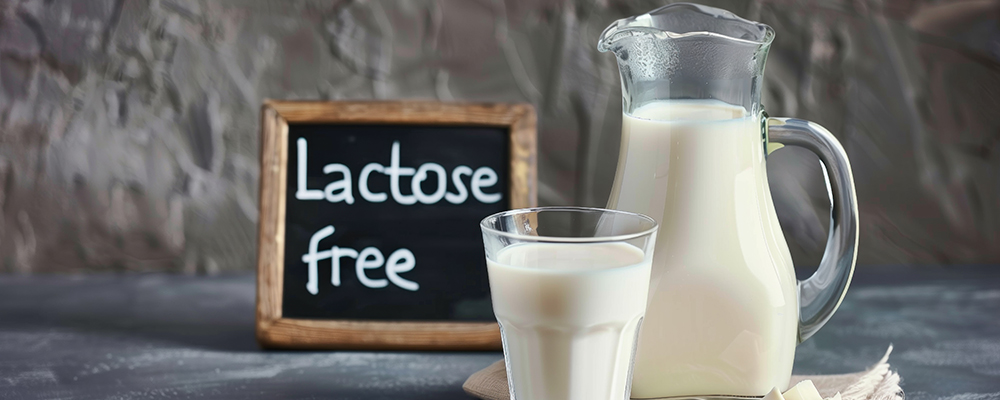
Lactase remains one of the most recognised dairy enzymes, used to break lactose into simpler sugars for lactose free and lactose reduced products. This innovation significantly expanded dairy accessibility for lactose intolerant consumers. Yet, the role of enzymes in dairy has advanced far beyond this singular application.
Modern dairy processing now incorporates multiple enzyme categories, each contributing unique nutritional and technological advantages.
Key Enzymes in Dairy Processing
- Proteases
Used to hydrolyse proteins into smaller peptides and amino acids, improving digestibility while creating bioactive compounds with potential health benefits. - Lipases
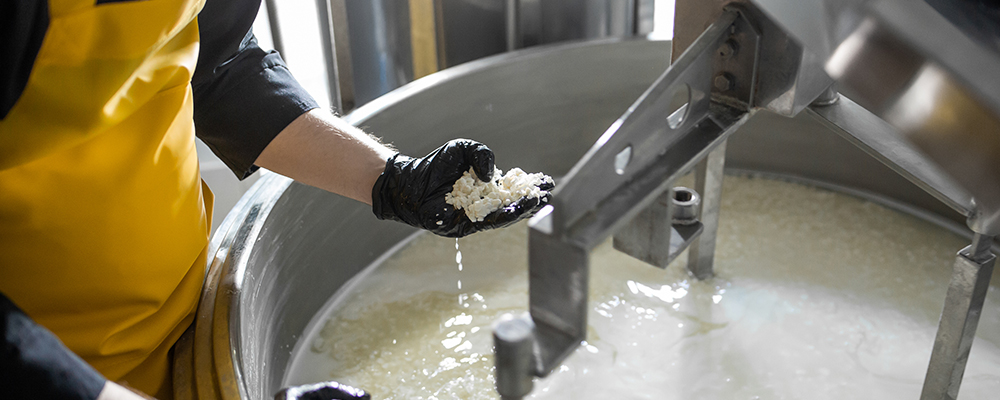
Modify milk fats to enhance flavour complexity, especially in cheese ripening and specialty dairy applications. - Transglutaminase
Improves texture, viscosity, and protein stability in yoghurt, desserts, and functional dairy beverages. - Catalase and Oxidative Enzymes
Assist in preserving product quality and reducing oxidative deterioration.
This broader enzymatic toolkit allows dairy producers to innovate in ways that directly impact nutrition, functionality, and product differentiation.
Improving Digestibility for Diverse Consumer Needs
One of the most significant nutritional advantages of dairy enzymes is their ability to improve how the body processes dairy components. Digestive comfort has become a major factor influencing food choices, especially among ageing populations, children, and health focused adults.
Enzyme applications support digestibility by:
- Breaking down lactose to reduce gastrointestinal discomfort
- Hydrolysing casein and whey proteins into more absorbable forms
- Reducing allergenic potential in certain formulations
- Enhancing amino acid availability for muscle support
Protein hydrolysis, in particular, is creating new opportunities in performance nutrition. Dairy proteins treated with specific enzymes can deliver faster absorption, making them ideal for sports recovery drinks, clinical nutrition products, and elderly nutrition solutions.
Functional Dairy and Bioactive Nutrition
Dairy enzymes are not only making products easier to digest but also transforming them into vehicles for advanced nutrition. Enzymatic hydrolysis of milk proteins can generate bioactive peptides associated with benefits such as:
- Blood pressure management
- Antioxidant support
- Immune modulation
- Enhanced mineral absorption
This positions dairy products as functional foods rather than conventional commodities. Protein enriched yoghurts, fortified milk drinks, and nutraceutical dairy formulations are increasingly being developed through enzyme based technologies.
Such advancements align with a growing consumer shift toward preventive nutrition, where foods are expected to actively contribute to long term wellbeing.
Enhancing Texture, Taste, and Consumer Experience
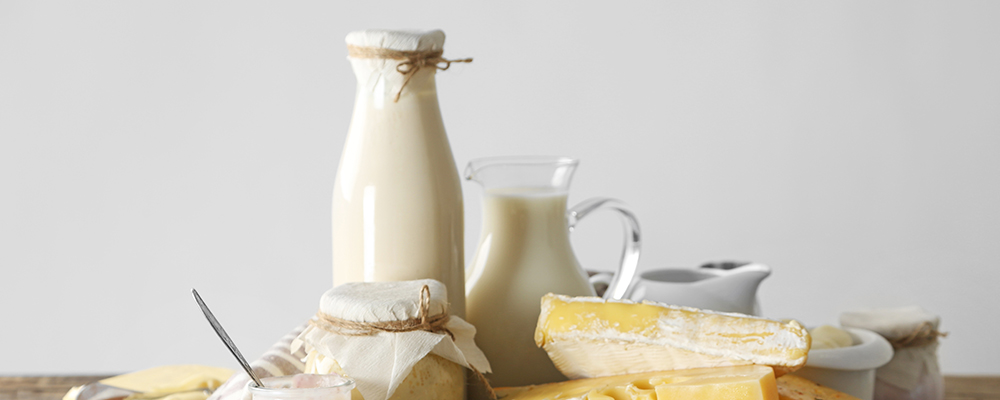
Nutrition alone does not determine product success. Sensory quality remains critical. Consumers expect healthier dairy products without sacrificing taste or texture, and enzymes are helping plants achieve this balance.
Enzyme Benefits in Sensory Optimisation
- Improved creaminess in reduced fat yoghurts
- Better water retention in fermented products
- Enhanced cheese maturation and flavour complexity
- Reduced bitterness in protein hydrolysates
- Greater consistency in dairy beverages
For example, transglutaminase strengthens protein structures naturally, allowing plants to reduce stabilisers while maintaining desirable mouthfeel. This supports cleaner labels and more natural formulations.
Sustainability and Resource Efficiency in Dairy Processing
The future of dairy innovation must also address environmental pressures. Enzyme technology contributes significantly to sustainability by improving process efficiency and reducing waste.
Sustainable Advantages of Enzyme Use
- Lower energy requirements through milder processing conditions
- Reduced chemical dependency
- Enhanced yield from raw materials
- Improved utilisation of whey by-products
- Lower waste generation
Whey, historically considered a low value by-product, can now be enzymatically converted into high value nutritional ingredients for sports beverages, infant nutrition, and medical foods. This shift supports circular production models and greater profitability.
Personalised Nutrition and the Future of Dairy
Consumers increasingly expect nutrition tailored to their lifestyles, age groups, and health priorities. Dairy enzymes are making this personalisation possible by enabling plants to create products for:
- Lactose intolerant individuals
- Athletes requiring rapid protein absorption
- Children needing fortified growth nutrition
- Seniors seeking digestible protein and bone support
- Functional wellness consumers prioritising gut health
As biotechnology advances, precision enzyme formulations will continue to expand dairy’s role in personalised health ecosystems.
Conclusion
Dairy enzymes have moved far beyond their traditional role in lactose reduction. They are now central to the creation of highly functional, digestible, sustainable, and consumer focused dairy products that meet the demands of modern nutrition. From enhancing protein bioavailability and sensory quality to enabling sustainable production and personalised nutrition, enzymes are redefining what dairy can offer in today’s health driven world.
Biolaxi Enzymes Pvt. Ltd. supports this transformation by delivering scientifically modern innovative enzyme solutions tailored to the changing needs of dairy plants. Through research driven innovation, customised application support, and a commitment to sustainability, Biolaxi helps businesses unlock new nutritional possibilities while improving operational efficiency. In a market where nutrition is becoming increasingly personalised and performance driven, Biolaxi Enzymes remains a trusted partner in shaping the future of dairy excellence.