
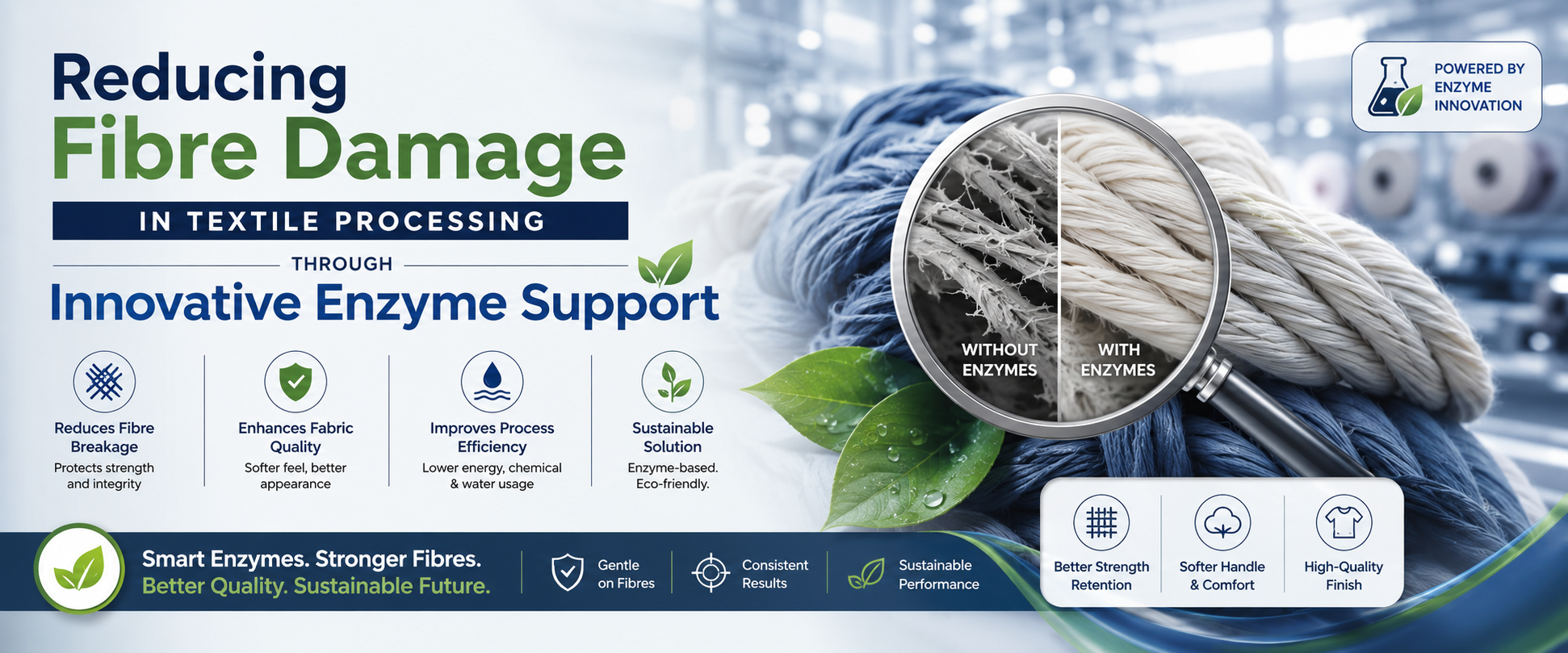
Textile processing has always depended on achieving the right balance between fabric performance and fibre protection. Manufacturers want softness, brightness, colour consistency and durability. At the same time, they must ensure that fabrics retain their original strength and structure throughout processing. This balance is not always easy to maintain.
Conventional textile treatments often expose fibres to harsh chemicals, elevated temperatures and aggressive mechanical action. While these methods can deliver the desired finish, they may also weaken fibres over time. The result is often reduced fabric life, surface roughness, fading, pilling and loss of softness.
Today, the textile industry is moving towards more precise and sustainable processing methods. Consumers expect fabrics that not only look attractive but also remain comfortable and durable after repeated use and washing. This growing expectation has accelerated the adoption of innovative enzyme support systems in textile manufacturing.
Enzymes are changing the way fabrics are processed. Their controlled and selective action helps reduce fibre damage while improving overall textile quality. Unlike traditional chemical treatments that affect the entire fabric surface, enzymes target only specific unwanted substances. This precision makes textile processing more efficient, gentler and environmentally responsible.
Why Fibre Protection Matters in Textile Manufacturing
Fibre quality directly influences the appearance, feel and lifespan of textiles. Every processing stage places some level of stress on the material. From desizing and scouring to bleaching, dyeing and finishing, fabrics pass through multiple treatments before reaching the final consumer.
If these treatments are too aggressive, fibres can gradually lose their integrity.
Common signs of fibre damage include:
- Reduced tensile strength
- Surface fuzz and pilling
- Uneven texture
- Poor softness retention
- Increased fibre breakage
- Lower colour consistency
- Reduced fabric durability
Even small levels of damage during early processing stages can affect the final product significantly. A fabric may initially appear smooth and attractive, yet lose quality rapidly during regular use.
This is why textile processors are increasingly focusing on gentler technologies that preserve fibre structure while maintaining production efficiency.
The Shift from Chemical Intensity to Processing Precision
Traditional textile processing has long relied on strong alkalis, oxidising agents and synthetic chemicals to remove impurities or modify fabric properties. These methods are effective, but they often lack selectivity. They treat the entire fabric aggressively rather than targeting only the unwanted components.
Innovative enzyme solutions introduce a completely different approach.
Enzymes are biological catalysts that accelerate highly specific biochemical reactions. Each enzyme acts only on a particular substrate, allowing textile processors to perform targeted modifications without unnecessary fibre stress.
This selective action creates multiple advantages. Fabrics can be processed more gently, while still achieving high levels of cleanliness, softness and performance.
The difference is subtle but important. Modern textile processing is no longer about using stronger chemistry. It is about using smarter chemistry.
How Enzymes Help Preserve Fibre Integrity
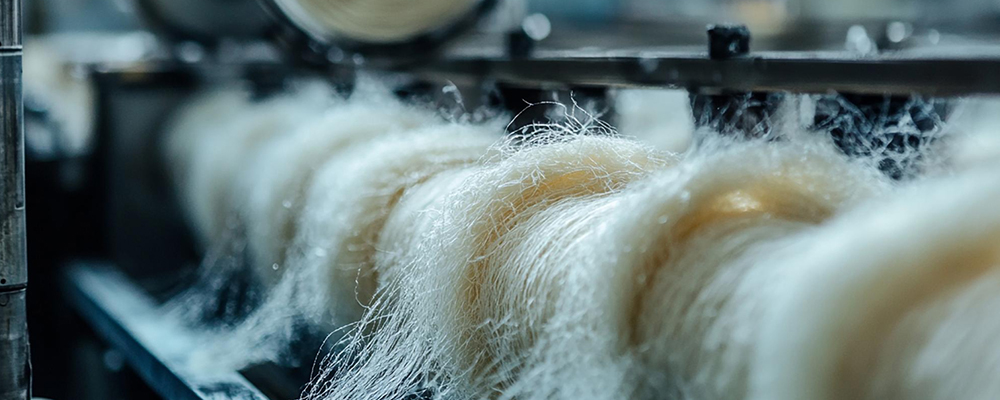
Different enzymes perform different functions depending on the processing requirement and fabric type. Their role is highly specialised.
Common textile enzymes include:
- Amylases
- Cellulases
- Pectinases
- Catalases
- Proteases
Amylases help remove starch based sizing materials from woven fabrics without affecting cellulose fibres. Traditional desizing methods often require harsher chemicals and higher temperatures, which can weaken the fabric surface. Enzyme desizing achieves the same objective more gently and efficiently.
Pectinases assist in removing natural impurities such as pectins and waxes from cotton fibres. This improves absorbency while reducing the need for intensive alkaline scouring.
Cellulases are particularly valuable during bio polishing. They carefully remove tiny protruding microfibres from the fabric surface. The process smoothens the fabric and reduces fuzz without causing excessive abrasion.
Because enzymes work selectively, they minimise unnecessary fibre degradation. The fabric maintains better structural stability throughout processing.
Improving Softness Through Controlled Bio Polishing
Softness plays a major role in consumer perception. Fabrics that feel smooth and comfortable are often associated with higher quality.
Traditional softening treatments frequently rely on chemical coatings that temporarily mask roughness. Over time, these finishes may wash away or affect fabric breathability.
Enzyme based bio polishing improves softness differently. Instead of coating the surface, enzymes gently refine the fibre structure itself.
Tiny surface fibrils that create roughness are removed in a controlled manner. This creates a cleaner and smoother fabric surface naturally.
The result is:
- Improved hand feel
- Reduced fibre protrusion
- Better fabric smoothness
- Enhanced softness retention
- Greater wearing comfort
The effect feels more natural and long lasting because the improvement comes from the fibre structure itself rather than an external coating.
Reducing Pilling and Surface Wear
Pilling is one of the most common textile quality concerns. Loose surface fibres become entangled during use and washing, forming small fibre balls that affect fabric appearance.
Aggressive mechanical treatments may sometimes increase fibre breakage, worsening the problem over time.
Enzymes help address this issue with greater precision.
Controlled cellulase treatment removes unstable surface fibres before they form pills. By refining the fabric surface early in the process, enzymes improve appearance retention throughout the garment’s lifespan.
This contributes to:
- Reduced pilling formation
- Smoother fabric surfaces
- Improved visual appearance after washing
- Better long term fabric quality
For premium apparel and home textiles, maintaining surface quality is especially important.
Supporting Better Dyeing Performance
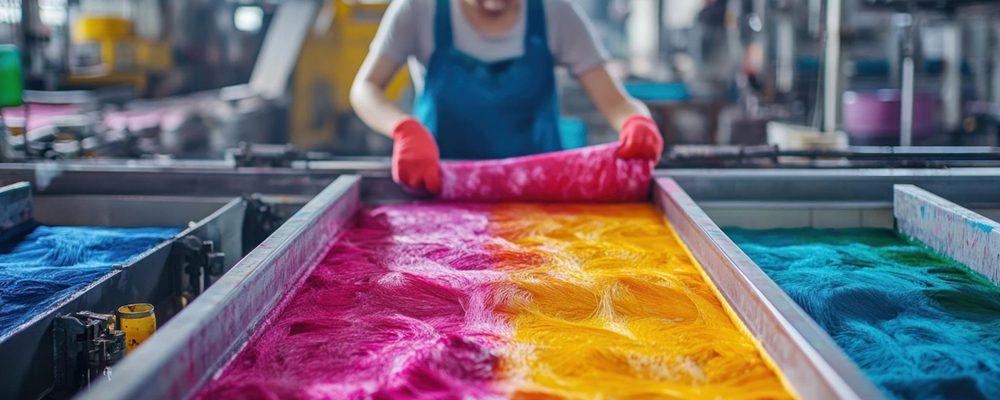
Fibre condition directly affects dye uptake and colour uniformity. Damaged or uneven fibre surfaces may lead to patchy dye absorption and inconsistent shades.
Enzymes improve fabric preparation by removing impurities more uniformly and gently. Cleaner fibres interact with dyes more effectively, leading to improved colour penetration and consistency.
This supports:
- Better dye absorption
- Improved shade uniformity
- Enhanced colour brightness
- Reduced reprocessing
- Greater process consistency
Because fibres experience less stress during preparation, their natural absorbency and structure remain better preserved.
Lower Processing Stress and Improved Efficiency
Conventional textile treatments often require high temperatures, prolonged washing cycles and intensive chemical exposure. These conditions increase operational costs while also placing greater stress on fibres.
Enzymatic systems operate effectively under milder processing conditions. Many enzyme treatments function efficiently at moderate temperatures and controlled pH levels.
This offers several operational advantages.
Processors can achieve:
- Reduced thermal stress on fibres
- Lower energy consumption
- Reduced water usage
- Improved operational efficiency
- Better fabric preservation
The combination of gentler processing and improved efficiency makes enzymes increasingly attractive in modern textile manufacturing.
Sustainability Benefits of Enzyme Based Processing
Environmental responsibility has become a major priority across the textile industry. Global brands, regulators and consumers increasingly expect cleaner manufacturing practices with lower environmental impact.
Innovative enzyme support aligns strongly with these sustainability goals.
Enzymes contribute to:
- Lower chemical dependency
- Reduced wastewater pollution
- Improved biodegradability
- Reduced processing emissions
- Better resource efficiency
Since enzymes are biodegradable biological molecules, they create fewer environmental concerns compared to many conventional chemical agents.
Their ability to reduce water, energy and chemical consumption also supports long term sustainability targets across textile operations.
The Future of Enzyme Technology in Textiles
Enzyme innovation continues to advance rapidly. Modern biotechnology is enabling the development of more stable, efficient and application specific enzyme systems.
Current innovations include:
- Multi enzyme formulations
- Enhanced temperature stability
- Faster reaction performance
- Improved compatibility with blended fabrics
- Greater process customisation
These developments are helping textile processors achieve higher precision while adapting enzyme solutions to different fabric types and operational conditions.
As textile manufacturing continues evolving towards cleaner and more efficient production, enzyme technologies will play an even larger role in shaping the future of fibre friendly processing.
Conclusion
Reducing fibre damage has become essential for achieving high quality textile production. Consumers expect fabrics that remain soft, smooth, durable and visually appealing throughout their lifespan. At the same time, textile operations must improve efficiency while reducing environmental impact.
Innovative enzyme support provides an effective solution by enabling precise and fibre friendly processing. Through targeted biochemical action, enzymes help improve softness, reduce pilling, enhance dyeing performance and preserve fabric integrity without relying on excessive chemical intensity.
Biolaxi Enzymes supports textile processing operations with scientifically developed enzyme solutions designed to improve fabric quality, minimise fibre stress and optimise production efficiency across diverse textile applications. With expertise in customised enzyme technologies and sustainable industrial performance, Biolaxi Enzymes continues to help the textile industry achieve superior results through smarter and more responsible processing solutions.