

Efficient wastewater treatment has become a strategic priority for industries worldwide as environmental regulations become increasingly stringent and sustainability objectives gain greater importance. Manufacturing facilities are expected not only to comply with discharge standards but also to optimise water consumption, reduce operational costs, minimise sludge generation, and improve overall resource efficiency. These requirements have accelerated the adoption of advanced biological treatment technologies that complement conventional physical and chemical treatment methods.
Among these innovations, industrial enzymes have emerged as valuable tools for improving wastewater treatment processes. Acting as highly selective biological catalysts, enzymes accelerate the breakdown of complex organic compounds into simpler molecules that are more readily biodegradable. Their application enhances the performance of biological treatment systems, improves process stability, and supports more sustainable water management practices across numerous industries.
Industrial enzyme technology has become increasingly relevant in sectors such as food processing, dairy, textiles, paper, chemicals, leather, detergents, agriculture, and sugar manufacturing, all of which generate wastewater containing varying concentrations of organic pollutants. Beyond wastewater treatment, enzymes have also transformed industrial processing in tea production, baking, dairy manufacturing, textile finishing, animal nutrition and sugar milling, demonstrating their versatility across modern manufacturing.
This article explores the science behind enzyme-assisted wastewater treatment, the benefits it offers industrial facilities, and the broader role of industrial enzymes across multiple sectors.
The Growing Importance of Industrial Wastewater Management
Industrial wastewater composition varies significantly depending on the manufacturing process. Unlike domestic wastewater, industrial effluents often contain complex organic compounds that are difficult to degrade using conventional treatment methods alone.
Typical contaminants include:
- Proteins
- Starches
- Oils and fats
- Cellulose
- Pectin
- Organic acids
- Sugars
- Surfactants
- Suspended solids
If these pollutants are not effectively treated, they may increase:
- Chemical Oxygen Demand (COD)
- Biological Oxygen Demand (BOD)
- Total Suspended Solids (TSS)
- Sludge production
- Treatment costs
- Environmental impact
Industrial enzymes help address many of these challenges by initiating targeted biochemical reactions before or during biological treatment.
Understanding Industrial Enzymes in Wastewater Treatment
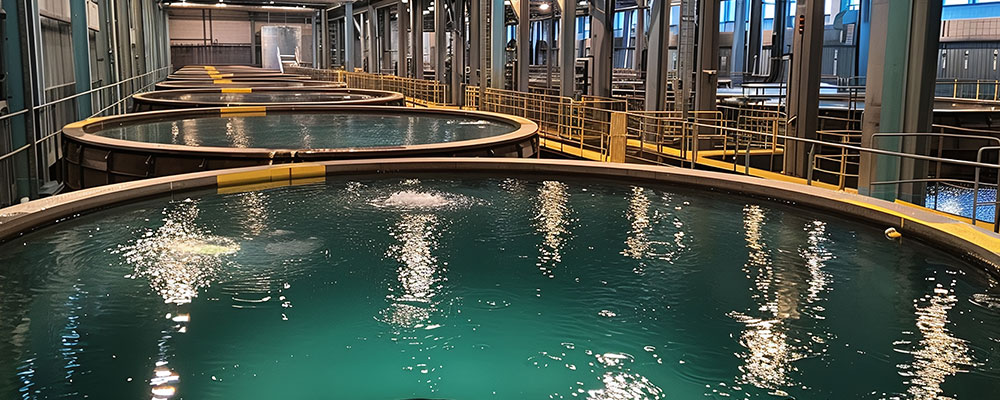
Enzymes are naturally occurring proteins that catalyse specific biochemical reactions without being permanently consumed during the process.
Each enzyme targets particular compounds, making enzyme-assisted treatment highly selective and efficient.
Common enzyme categories used in wastewater treatment include:
- Proteases
- Lipases
- Amylases
- Cellulases
- Pectinases
- Xylanases
Rather than replacing conventional treatment infrastructure, enzymes are generally integrated into existing biological treatment systems to improve their overall performance.
How Enzyme-Assisted Wastewater Treatment Works
The primary objective of enzyme treatment is to convert complex organic matter into smaller, more biodegradable molecules.
The process generally follows several stages.
1. Initial Contact with Organic Pollutants
Once introduced into wastewater, enzymes begin interacting with specific organic substrates.
Examples include:
- Proteins
- Starch
- Lipids
- Plant fibres
Each enzyme recognises only the compounds it is designed to hydrolyse.
2. Hydrolysis of Complex Molecules
Enzymes break large organic molecules into smaller fragments.
Examples include:
- Proteins into peptides and amino acids
- Starch into simple sugars
- Fats into fatty acids and glycerol
- Cellulose into smaller carbohydrate units
These simpler compounds become easier for naturally occurring microorganisms to consume.
3. Enhanced Biological Degradation
Following enzymatic hydrolysis, microorganisms within biological treatment systems can degrade pollutants more efficiently.
This often improves:
- Organic matter removal
- Biological treatment stability
- Overall treatment efficiency
4. Improved Effluent Quality
By improving the degradation of complex pollutants, enzyme-assisted treatment contributes to:
- Lower COD
- Reduced BOD
- Improved clarification
- Better discharge quality
Types of Industrial Enzymes Used in Wastewater Treatment
1. Proteases
Proteases degrade protein-rich wastewater generated by industries such as:
- Food processing
- Dairy
- Meat processing
- Leather manufacturing
They reduce protein accumulation while improving biological treatment efficiency.
2. Lipases
Lipases hydrolyse fats, oils and grease into simpler compounds.
Applications include wastewater generated from:
- Food production
- Dairy plants
- Restaurants
- Edible oil processing
Reducing fat accumulation also helps minimise pipe blockages and operational disruptions.
3. Amylases
Amylases break down starch into smaller sugars.
Industries benefiting from amylase treatment include:
- Food manufacturing
- Brewing
- Bakeries
- Starch processing
4. Cellulases
Cellulases degrade plant fibre residues found in:
- Textile industries
- Pulp and paper
- Agricultural processing
- Food manufacturing
5. Pectinases
Pectinases assist in degrading fruit processing residues generated by:
- Juice manufacturers
- Beverage plants
- Fruit processors
Benefits of Enzyme Technology in Wastewater Treatment
Industrial facilities increasingly adopt enzyme solutions because they provide multiple operational benefits.
1. Improved Organic Load Reduction
Enzymes accelerate pollutant degradation, helping reduce:
- COD
- BOD
- Organic solids
This improves the overall efficiency of biological treatment systems.
2. Enhanced Biological Process Stability
Stable biological systems contribute to:
- Consistent treatment performance
- Reduced operational fluctuations
- Improved microbial activity
3. Lower Sludge Generation
Improved degradation efficiency often reduces excess sludge production.
Benefits include:
- Lower disposal costs
- Reduced handling requirements
- Improved plant efficiency
4. Improved Energy Efficiency
When biological processes operate more efficiently, facilities may reduce:
- Aeration demand
- Pumping requirements
- Overall treatment energy consumption
5. Better Compliance
More effective treatment assists industries in meeting environmental discharge regulations while supporting corporate sustainability objectives.
Industries Benefiting from Enzyme-Based Wastewater Treatment
Industrial enzyme applications are relevant across numerous sectors.
Examples include:
1. Food Processing
Wastewater often contains:
- Sugars
- Proteins
- Starches
- Oils
Enzymes improve biodegradability before biological treatment.
2. Dairy Industry
Dairy wastewater typically contains:
- Milk solids
- Lactose
- Fats
- Proteins
Enzyme-assisted treatment supports improved pollutant removal.
3. Textile Industry
Textile effluents contain:
- Fibre residues
- Starch
- Sizing agents
- Organic processing chemicals
Specialised enzymes improve degradation efficiency.
4. Paper and Pulp
Cellulose-rich wastewater benefits from cellulase-based treatment strategies.
5. Sugar Mills
Sugar manufacturing generates wastewater containing:
- Sugars
- Plant residues
- Organic solids
Enzyme technology supports improved treatment performance and resource recovery.
Process Considerations for Successful Enzyme Application
The effectiveness of enzyme-assisted wastewater treatment depends upon several operating conditions.
1. Temperature
Each enzyme functions most efficiently within a defined temperature range.
Maintaining suitable temperatures ensures optimal catalytic activity.
2. pH
Proper pH management maximises enzyme performance while supporting healthy microbial populations.
3. Enzyme Selection
Different wastewater streams require different enzyme combinations.
Selecting the correct formulation depends upon wastewater composition and treatment objectives.
4. Contact Time
Adequate retention time allows enzymes to perform effective hydrolysis before biological degradation.
Sustainability Advantages of Enzyme-Based Treatment
Sustainability is increasingly influencing industrial investment decisions.
Enzyme technology contributes by supporting:
- Reduced chemical usage
- Lower sludge production
- Improved water reuse opportunities
- Reduced environmental footprint
- Improved resource efficiency
- Enhanced biological treatment performance
These benefits align closely with modern environmental, social and governance (ESG) strategies.
Industrial Enzymes Beyond Wastewater Treatment
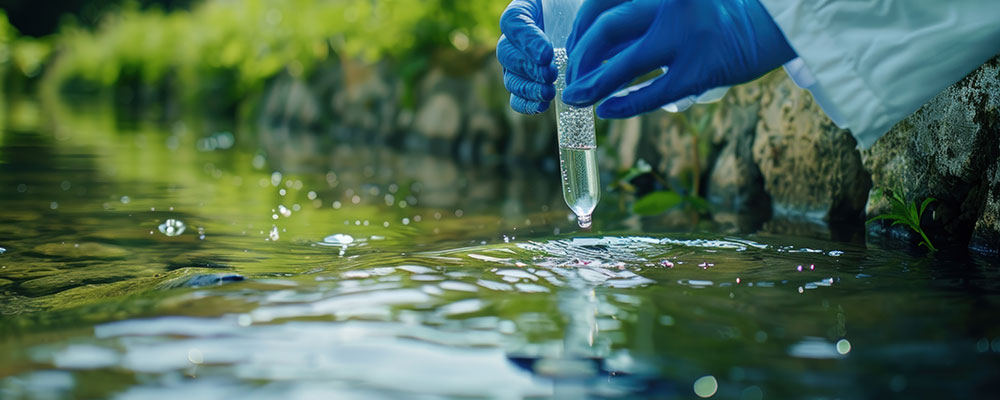
The success of enzyme-assisted wastewater treatment reflects the broader role of industrial enzymes across modern manufacturing.
Their highly selective catalytic activity supports improved efficiency in numerous industries.
1. Enzymes for Tea Processing
Tea manufacturers use enzyme technology to support:
- Controlled oxidation
- Flavour enhancement
- Aroma development
- Colour consistency
- Improved product quality
These processes help achieve consistent characteristics across commercial tea production.
2. Enzymes for Baking
Commercial baking relies on enzymes for improved dough performance.
Applications include:
- Dough conditioning
- Increased loaf volume
- Better crumb softness
- Improved shelf life
- Enhanced processing consistency
These benefits improve manufacturing efficiency while reducing dependence on chemical additives.
3. Enzymes for Dairy Processing
The dairy industry employs enzymes throughout multiple production stages.
Applications include:
- Lactose hydrolysis
- Cheese production
- Protein modification
- Texture enhancement
- Yield optimisation
- Flavour development
These technologies improve product quality while supporting efficient processing.
4. Enzymes for the Detergent Industry
Modern detergents incorporate enzyme blends containing:
- Proteases
- Lipases
- Amylases
- Cellulases
These enzymes improve stain removal while enabling effective cleaning at lower washing temperatures.
5. Enzymes for the Textile Industry
Textile manufacturers increasingly replace conventional chemical treatments with biological enzyme processes.
Applications include:
- Desizing
- Bio-polishing
- Denim finishing
- Fabric softening
- Fibre preparation
These processes contribute to reduced water consumption and improved sustainability.
6. Enzymes for the Feed Industry
Feed enzymes improve nutrient availability by breaking down complex feed ingredients.
Benefits include:
- Better digestibility
- Improved feed conversion
- Enhanced livestock productivity
- Reduced nutrient losses
- More efficient feed utilisation
7. Enzymes for Sugar Mills
Industrial enzymes assist sugar processors by improving:
- Juice clarification
- Extraction efficiency
- Filtration
- Sugar recovery
- Process consistency
- Viscosity management
These improvements support higher productivity and operational efficiency.
Future Developments in Industrial Enzyme Technology
Ongoing biotechnology research continues to improve industrial enzyme capabilities.
Future innovations are expected to focus on:
- Greater enzyme stability
- Enhanced catalytic efficiency
- Broader operating conditions
- Customised enzyme formulations
- Improved compatibility with automated treatment systems
- More sustainable manufacturing solutions
As industries continue to prioritise water conservation and environmental stewardship, enzyme technology is expected to play an increasingly important role in wastewater treatment and industrial processing.
The Strategic Value of Biological Processing Technologies
Industrial enzymes represent more than a technical improvement; they have become strategic tools for manufacturers seeking operational excellence. Their ability to accelerate targeted biochemical reactions enables organisations to optimise production while reducing dependence on resource-intensive treatment methods.
Across industries, enzyme technology supports:
- Improved operational reliability
- Better utilisation of existing treatment infrastructure
- Lower operating costs
- Enhanced regulatory compliance
- Improved environmental performance
- Long-term process optimisation
As water scarcity, environmental regulations and sustainability expectations continue to shape industrial investment decisions, biological technologies will remain integral to modern manufacturing and wastewater management strategies.
Conclusion
Industrial enzymes have become valuable components of modern wastewater treatment by improving the breakdown of complex organic pollutants and enhancing the efficiency of biological treatment systems. Their highly selective catalytic activity supports lower organic loads, improved process stability, reduced sludge generation and better effluent quality, enabling industries to meet increasingly demanding environmental standards while optimising operational performance.
The benefits of enzyme technology extend far beyond wastewater treatment. Similar biological solutions continue to improve productivity, product quality and sustainability in tea processing, commercial baking, dairy manufacturing, detergent formulation, textile processing, animal nutrition and sugar production. As industries increasingly adopt cleaner and more resource-efficient manufacturing practices, enzymes are expected to play an even greater role in future industrial innovation.
Biolaxi Enzymes supports these evolving industrial requirements through a broad portfolio of specialised enzyme solutions developed for diverse manufacturing and environmental applications. By combining technical expertise, application-focused innovation and consistent product quality, Biolaxi Enzymes helps organisations address complex processing challenges, improve operational efficiency and advance sustainable manufacturing and wastewater management practices.