
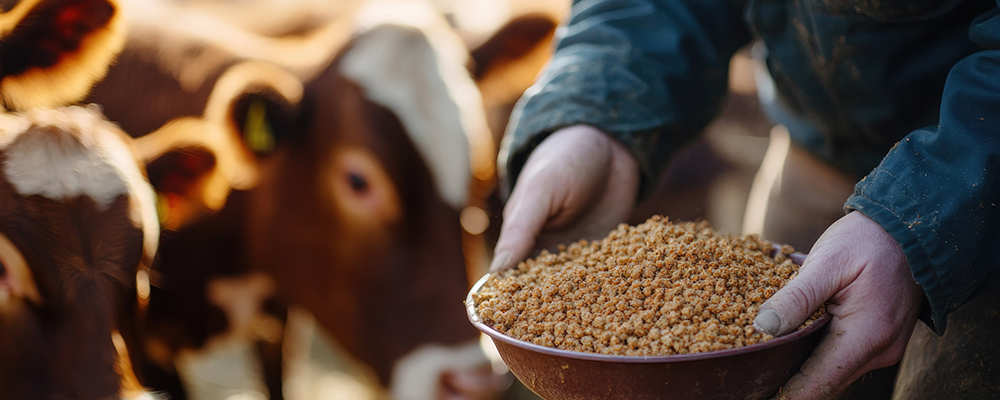
Efficient animal nutrition depends on how well livestock can digest and utilise the nutrients present in their feed. Modern feed formulations often contain grains, plant proteins and other raw materials that provide essential energy and nutrients. However, a significant portion of these nutrients can remain locked within complex structures that animals cannot easily digest. This reduces the overall nutritional value of the feed and limits animal growth performance.
Enzyme supplementation offers an effective way to improve nutrient availability in animal feed. By breaking down complex compounds into simpler forms, enzymes help animals absorb nutrients more efficiently. This approach supports better digestion, improved feed utilisation and enhanced overall productivity in livestock systems.
Challenges in Nutrient Utilisation
Many plant based feed ingredients contain compounds that are difficult for animals to digest completely. Fibre structures, complex carbohydrates and certain anti nutritional components can restrict the release of valuable nutrients such as proteins, sugars and minerals.
When these compounds remain undigested, a portion of the feed passes through the digestive system without being fully utilised. This not only reduces feed efficiency but can also increase nutrient waste.
Improving the breakdown of these complex compounds is therefore essential for maximising the nutritional value of feed formulations.
How Enzymes Improve Nutrient Breakdown

Enzymes act as biological catalysts that accelerate the breakdown of complex feed components. When added to feed formulations, they begin working within the digestive system to release nutrients that would otherwise remain inaccessible.
Different enzymes target different feed components:
- Amylases help break down complex starch molecules into simpler sugars
- Proteases assist in converting proteins into smaller peptides and amino acids
- Lipases help digest fats and oils more efficiently
- Phytases release bound phosphorus and improve mineral availability
Through these targeted reactions, enzymes improve the overall digestibility of feed ingredients.
Enhancing Energy Availability from Feed
Energy is a critical factor in animal growth and productivity. Many cereal grains used in feed contain starch that may not be fully digested without enzymatic support.
Enzymes assist in breaking down these starch molecules more efficiently, allowing animals to absorb more usable energy from the same amount of feed. Improved energy availability supports better weight gain, higher productivity and more efficient feed utilisation.
This increased efficiency can be particularly beneficial in large scale livestock production where feed costs represent a major portion of operational expenses.
Improving Protein Utilisation
Proteins play an essential role in muscle development, metabolic activity and overall animal health. However, some protein sources in feed are not easily digestible due to their complex molecular structure.
Proteolytic enzymes help break these proteins into smaller amino acids and peptides that animals can absorb more readily. Better protein digestion contributes to improved growth performance and more effective utilisation of dietary protein.
This also helps reduce the amount of undigested protein entering the digestive tract, which can support healthier gut conditions.
Supporting Digestive Health and Feed Efficiency
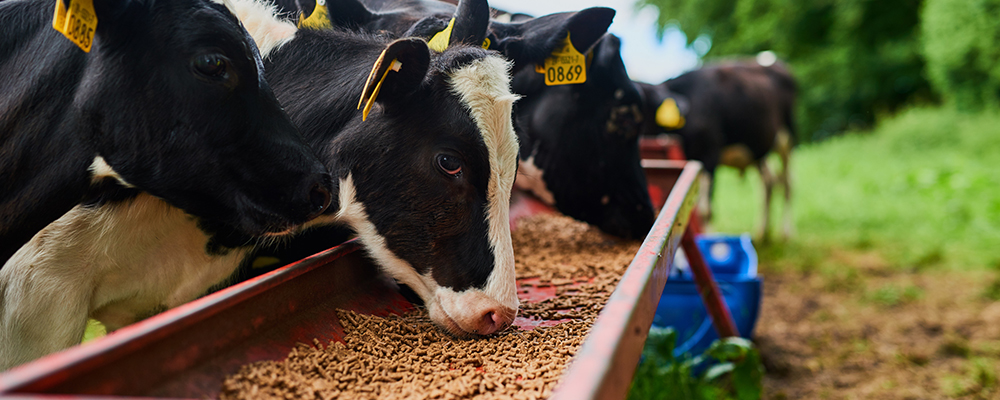
When nutrients are broken down efficiently, animals experience smoother digestion and improved gut function. Enzyme supplementation can help reduce the presence of undigested feed particles in the digestive system.
This supports balanced digestion and allows animals to extract more value from each feed portion. As a result, feed conversion ratios can improve, meaning animals gain more productivity from the same amount of feed input.
Improved feed efficiency is an important factor for both economic and nutritional sustainability.
Reducing Nutrient Waste and Environmental Impact
Better nutrient utilisation also contributes to reduced nutrient loss through animal waste. When animals digest feed more effectively, fewer unused nutrients are excreted.
This can help lower the environmental impact associated with livestock operations by reducing excess nutrient release into soil and water systems. Enzyme supplementation therefore supports more responsible feed management practices.
Conclusion
Maximising nutrient availability in animal feed is essential for improving livestock productivity and ensuring efficient feed utilisation. Enzyme supplementation plays a key role in achieving this by breaking down complex feed components and releasing nutrients that animals can absorb more effectively. Through targeted enzymatic action, feed formulations can deliver better energy utilisation, improved protein digestion and enhanced overall feed efficiency.
Biolaxi Enzymes is contributing to this progress by advancing enzyme technologies designed to support better nutrient breakdown and improved digestion in animal feed applications. Through focused enzymatic solutions, feed formulations can achieve stronger nutritional performance while promoting more efficient and sustainable livestock production.