
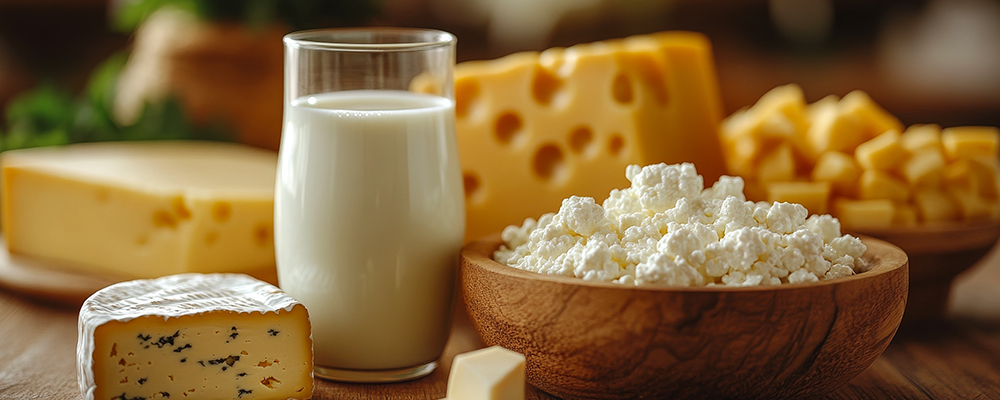
Texture stability is one of the most critical quality parameters in fermented dairy products such as yoghurt, cultured beverages and soft cheeses. Consumers expect these products to maintain a smooth structure, consistent viscosity and uniform mouthfeel throughout their shelf life. Even small variations in texture can result in whey separation, graininess or structural collapse, all of which directly affect consumer acceptance.
For dairy processors operating at industrial scale, maintaining this level of consistency is challenging. Variability in milk composition, fermentation dynamics and processing conditions can weaken the protein network responsible for product structure. Enzyme technology has therefore become an important tool for strengthening this network and ensuring reliable texture stability across batches.
Why Texture Instability Occurs in Fermented Dairy Products
Texture defects in fermented dairy products typically originate from irregular protein interactions during fermentation. When protein structures fail to form a strong and uniform network, the product may lose its ability to retain water and maintain viscosity.
This can lead to issues such as:
- Whey separation during storage
- Uneven viscosity across production batches
- Weak gel structures in set yoghurt
- Grainy or unstable mouthfeel
Traditional stabilisers may partially address these symptoms, but they often do not correct the underlying biochemical processes that determine texture formation.
How Enzymes Strengthen Protein Networks
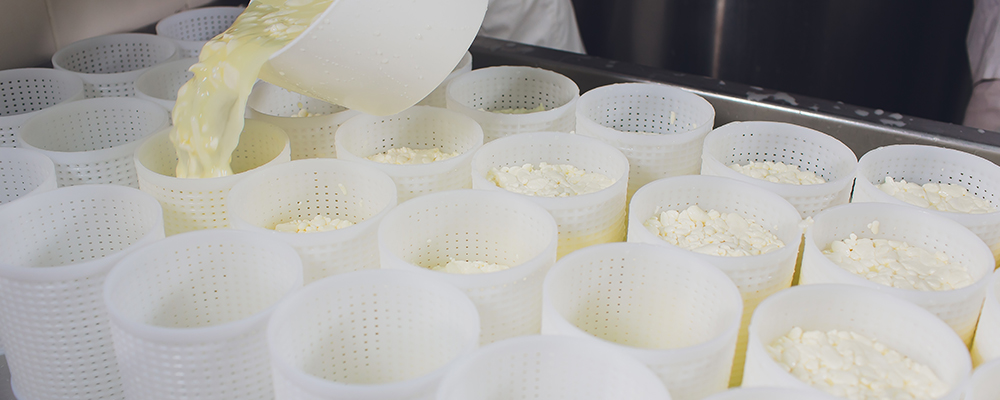
Dairy enzymes play a critical role in improving the structural behaviour of milk proteins during fermentation. By modifying protein interactions at the molecular level, enzymes help create stronger and more stable gel networks.
These improvements occur through several mechanisms:
- Enzymatic modification of casein proteins enhances their ability to interact and form stable structures
- Improved protein hydration increases water holding capacity, reducing whey separation
- Controlled enzymatic reactions support more uniform gel formation during fermentation
The result is a smoother and more stable texture that remains consistent throughout storage.
Improving Viscosity and Mouthfeel Through Enzymatic Action
Viscosity control is essential for fermented dairy products, particularly in stirred and drinking yoghurt formats. Without proper structural stability, mechanical agitation during processing can break down the protein network and reduce product thickness.
Targeted enzyme solutions help maintain viscosity by reinforcing protein bonds within the gel structure. This reinforcement allows the product to withstand mixing, pumping and packaging operations without losing its desired texture.
For manufacturers, this leads to improved product uniformity and reduced batch variability.
Enhancing Performance in Low Fat and High Protein Products
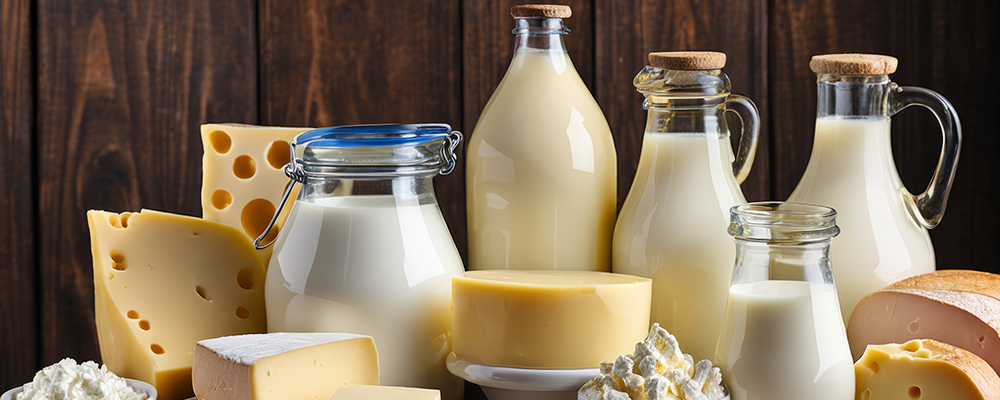
Modern dairy markets are increasingly dominated by high protein and reduced fat formulations. While nutritionally attractive, these products often present significant textural challenges because fat normally contributes to creaminess and structural stability.
Enzyme technology helps compensate for this structural loss. By improving protein functionality and network strength, enzymes restore creaminess and body even in formulations where fat content is reduced.
This allows producers to meet consumer demand for healthier dairy products without compromising texture quality.
Reducing Processing Variability in Large Scale Production
One of the most valuable benefits of enzyme technology is its ability to reduce batch to batch variability. By stabilising the biochemical processes responsible for texture formation, enzymes act as a buffer against fluctuations in raw material composition.
This leads to:
- More predictable fermentation behaviour
- Reduced product rejection due to texture defects
- Improved shelf life stability
- Greater operational efficiency
For large dairy operations, these improvements translate directly into reduced production losses and stronger product reliability.
Supporting Cleaner Formulations in Dairy Processing
Consumer preference for simplified ingredient lists continues to influence dairy product development. Enzymes offer a natural processing solution because they perform their functional role during production without remaining active in the final product.
By improving protein functionality through enzymatic action, manufacturers can reduce reliance on synthetic stabilisers while still achieving the desired texture and consistency.
Conclusion
Maintaining stable texture in fermented dairy products requires precise control over protein interactions during fermentation. Enzyme technology provides an effective way to strengthen these interactions, improve gel formation and stabilise product structure. Through targeted enzymatic action, dairy producers can reduce variability, enhance viscosity and ensure consistent mouthfeel across diverse product formats.
Biolaxi Enzymes supports dairy manufacturers with advanced enzymatic solutions designed to optimise protein functionality and improve fermentation stability. By integrating enzyme technology into dairy processing, producers can achieve dependable texture performance, improved product consistency and greater operational confidence.