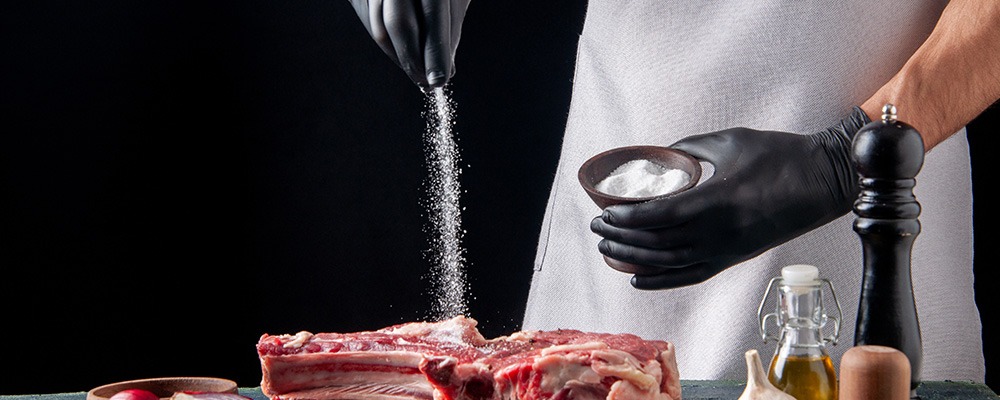
The texture of food is one of the most powerful influences on taste perception and overall dining satisfaction. While flavour excites the palate, it is texture that often determines whether a dish is memorable or not. Nowhere is this truer than in premium meats. From the tenderness of a slow-cooked roast to the juiciness of a grilled steak, texture makes all the difference. Achieving the perfect bite, however, is not simply a matter of cooking techniques. Increasingly, the role of enzymes in meat processing is transforming the way producers, chefs, and consumers experience meat.
Understanding the science of texture
Texture in meat is largely determined by its muscle structure and connective tissues. Muscle fibres and collagen can make meat tough and resistant if not broken down properly. Traditional methods such as marinating, ageing, or slow cooking have long been used to achieve tenderness, but they are often time-consuming and inconsistent. This is where enzymes step in.
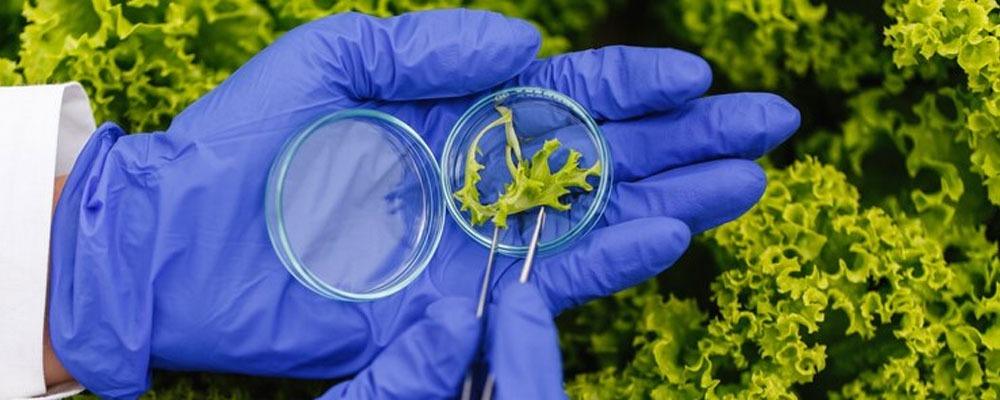
Enzymes are natural biological catalysts that speed up specific biochemical reactions without being consumed in the process. In meat applications, enzymes target proteins and connective tissues, breaking them down into smaller components. This improves tenderness, enhances juiciness, and ensures uniformity in texture. Unlike mechanical tenderisation or chemical additives, enzymes work precisely at the molecular level, allowing for controlled improvement without compromising nutritional quality.
The role of proteolytic enzymes
Proteolytic enzymes, or proteases, are the stars of the meat processing world. These enzymes break down protein structures that contribute to toughness. For example, papain derived from papaya, bromelain from pineapple, and ficin from figs are widely used natural proteases in the food industry. By carefully controlling dosage and application, meat processors can significantly improve tenderness while maintaining the integrity of the product.
The advantage lies in consistency. While ageing meat naturally can deliver tender results, it is often unpredictable and requires significant storage time. Enzyme treatment, on the other hand, can replicate this effect with much greater accuracy and in a fraction of the time. This provides both efficiency for producers and reliability for consumers who expect premium quality every time.
Enhancing flavour through enzymatic action
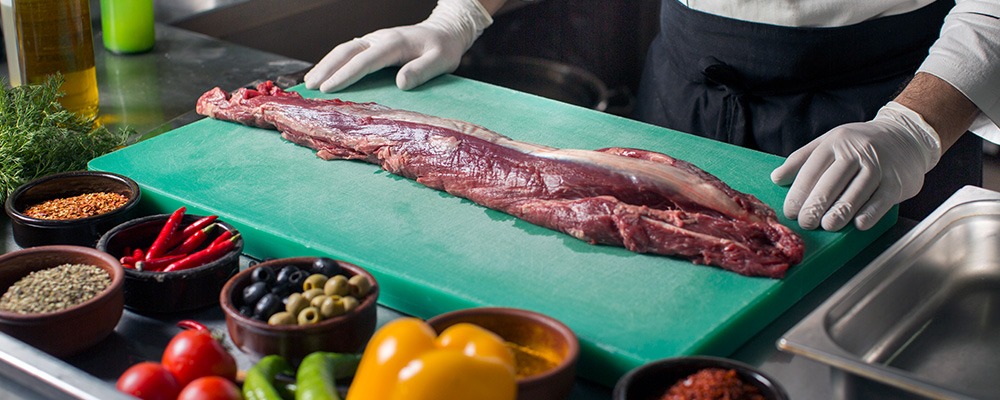
Texture is only one part of the equation. Enzymes also contribute indirectly to the development of flavour. As proteolytic enzymes break down proteins into peptides and amino acids, they create flavour precursors that intensify the savouriness of meat. This results in a richer taste experience when the meat is cooked.
Additionally, enzymes help in moisture retention. Juiciness is critical in premium meats, and enzymatic action allows muscle fibres to hold onto water more effectively during cooking. This not only prevents the meat from drying out but also enhances the succulence of each bite. When paired with the right cooking method, enzyme-treated meat can deliver unparalleled flavour and texture.
Meeting the demand for convenience and quality
Modern consumers demand convenience without compromising quality. Busy lifestyles mean that people want restaurant-quality experiences at home, and meat producers are under pressure to deliver products that are both easy to prepare and consistently excellent. Enzymes provide the solution.
Pre-marinated, ready-to-cook meat products benefit immensely from enzyme application. By tenderising and enhancing flavour at the processing stage, producers can offer consumers meats that cook quickly yet retain the mouthfeel of traditional slow-prepared dishes. Enzyme technology makes it possible to meet rising expectations while reducing preparation time in home kitchens and professional settings alike.
Applications in premium meat segments
Enzymes are not limited to one type of meat. Their applications span across poultry, beef, lamb, and pork, each with unique benefits.
- Beef and lamb: Enzymes are widely used to tenderise tougher cuts, turning them into premium-quality products that appeal to discerning consumers.
- Poultry: In chicken, enzymes help improve juiciness and reduce cooking losses, making fillets and breasts more succulent.
- Pork: Enzyme treatment enhances both tenderness and moisture retention, key qualities in premium pork dishes.
Beyond tenderness, enzymes also contribute to creating specialised products. For example, in cured or processed meats, enzymes help develop specific textures and flavours that differentiate premium offerings from standard options.
Sustainability through efficiency
Another advantage of enzymes is their contribution to sustainability. By improving the quality of cuts that might otherwise be considered less desirable, enzymes help reduce food waste. Cuts from older animals or tougher sections can be transformed into premium products with high consumer appeal. This maximises the use of raw materials and supports more efficient supply chains.
Moreover, enzymes allow for less reliance on chemical additives or excessive processing, aligning with consumer demand for cleaner labels and natural solutions. For producers aiming to position themselves as sustainable and innovative, enzymes offer both environmental and market advantages.
Research and innovation shaping the future
The science of enzymes is continually evolving. Research teams are developing new enzyme complexes designed to deliver even more precise results. These advanced formulations aim to improve not only tenderness but also nutritional profiles, flavour enhancement, and process efficiency. With ongoing innovation, enzymes will play an even greater role in shaping the future of premium meats.
Emerging technologies also support enzyme application in controlled environments, ensuring safety, consistency, and scalability. As global demand for high-quality meat grows, enzyme-driven solutions are expected to become a cornerstone of the industry.
The culinary advantage
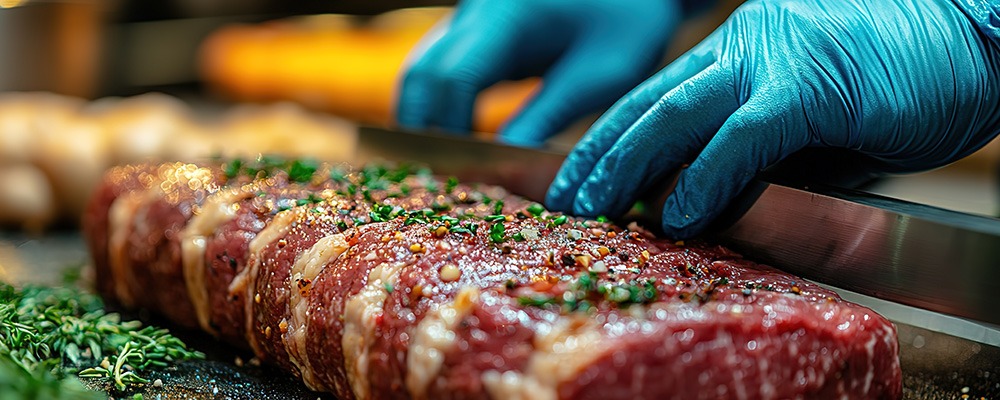
For chefs, enzymes open a new realm of creativity. Having access to reliably tender and flavourful meats allows them to focus on refining techniques and creating unique culinary experiences. Whether in fine dining or quick-service restaurants, enzymes ensure that quality is never compromised.
Consumers may not always be aware of the science behind their dining experiences, but they appreciate the results. The perfect balance of tenderness, juiciness, and flavour elevates meals and creates repeat demand. In this way, enzymes quietly but powerfully enhance culinary traditions while meeting modern expectations.
Conclusion
Premium meat is more than just a product; it is an experience defined by texture, flavour, and consistency. Enzymes bring a natural and innovative advantage to this field, offering producers and chefs the tools to transform meats into culinary masterpieces. By enhancing tenderness, boosting flavour, retaining moisture, and supporting sustainability, enzymes are redefining what premium quality means in today’s food landscape.
At Biolaxi Enzymes, we combine scientific expertise with industry knowledge to deliver high-quality enzyme formulations for diverse applications, including premium meats. With a strong focus on innovation, customisation, and reliability, Biolaxi continues to empower food suppliers with eco-safe and efficient enzyme solutions that craft excellence on every plate.