
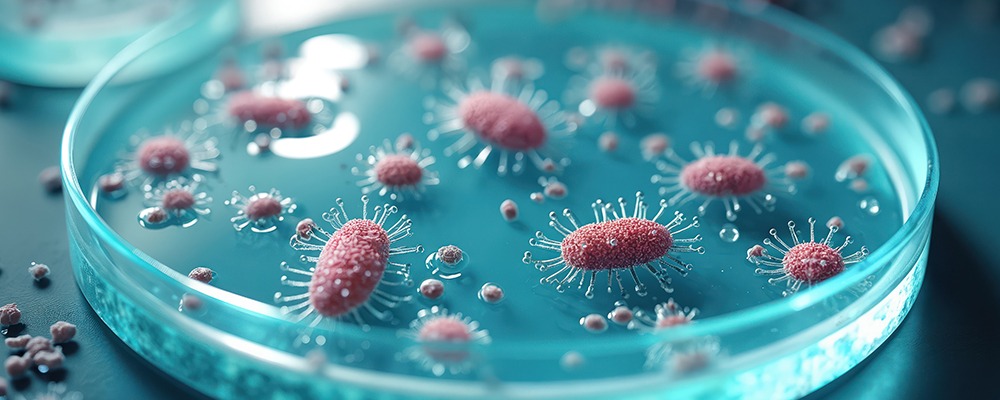
In the world of industrial biotechnology, enzymes play a vital role in enhancing process efficiencies, reducing energy consumption, and promoting sustainability. Among these biocatalysts, bacterial amylase has emerged as a frontrunner, particularly in applications that demand high thermal stability. This enzyme, produced by specific strains of thermophilic and mesophilic bacteria, has revolutionised several industries by enabling seamless processing even under elevated temperatures.
Bacterial amylase catalyses the hydrolysis of starch into simpler sugars, such as maltose and glucose. Unlike plant-based or fungal amylases, which often denature or lose activity at high temperatures, bacterial amylase maintains its structural integrity and catalytic efficiency under heat stress. This unique property has made it indispensable in industrial sectors like textiles, baking, brewing, paper, detergents, and bioethanol production.
High Thermal Stability: A Critical Advantage
One of the most significant advantages of bacterial amylase is its exceptional stability at high temperatures. Traditional enzymes tend to denature when exposed to elevated temperatures, resulting in reduced efficacy and the need for additional cooling infrastructure. In contrast, bacterial amylase, especially those derived from Bacillus licheniformis or Bacillus stearothermophilus, exhibits optimal activity between 60°C and 90°C. This allows them to conduct continuous operations without pausing for temperature regulation, which not only saves time but also minimises energy consumption.
In industries such as starch processing and distilleries, high-temperature liquefaction is a key step. Here, bacterial amylase efficiently breaks down starch into dextrins, setting the stage for further saccharification. Its resilience under heat also makes it highly effective in dry milling and wet milling processes used in grain-based ethanol production.
Enhanced Reaction Speed and Efficiency
High-temperature processes tend to accelerate reaction rates, but only if the catalyst can withstand the heat. Bacterial amylase complements this need by maintaining high turnover rates without structural breakdown. Faster reaction speeds translate to increased throughput, shorter cycle times, and better utilisation of equipment, all of which directly impact the bottom line.
In baking, for example, bacterial amylase helps improve dough fermentation, increase volume, and enhance crumb structure. The heat-stable nature ensures that the enzyme continues to act during the early stages of baking, improving starch breakdown and enhancing the overall texture of baked goods. Similarly, in breweries, bacterial amylase assists in the breakdown of non-fermentable starches, thereby increasing the availability of fermentable sugars and improving alcohol yield.
Compatibility with Harsh Industrial Conditions

Industrial environments often subject enzymes to more than just heat they must also perform under fluctuating pH levels, shear stress, and varying substrate concentrations. Bacterial amylase, particularly from robust strains, demonstrates impressive tolerance to a broad pH range (typically 5.0 to 9.0), making it adaptable to a variety of industrial settings. This reduces the need for pH adjustments and stabilisers, simplifying process workflows and reducing the use of chemicals.
Moreover, in detergent formulations, bacterial amylase is often paired with proteases and lipases to enhance stain removal, particularly for starch-based stains. These applications require enzymes that can endure alkaline pH and high wash temperatures, both of which are met comfortably by bacterial amylase.
Lower Operational Costs and Higher Sustainability
The heat stability of bacterial amylase can contribute significantly to cost savings. Since these enzymes function efficiently at high temperatures, industries can eliminate or reduce cooling systems, decrease energy costs, and streamline production lines. Additionally, because bacterial amylase is highly specific in its action, it reduces unwanted side reactions, ensuring higher yields and less waste.
This translates to a more sustainable operation. The use of bacterial amylase enables industries to reduce their environmental footprint by decreasing chemical usage, lowering water consumption (due to fewer wash cycles or reprocessing needs), and reducing carbon emissions associated with energy use. For sectors committed to greener manufacturing, such benefits align closely with their sustainability goals.
Increased Shelf Life and Storage Benefits
Another noteworthy advantage is the stability of bacterial amylase during storage. These enzymes generally have a longer shelf life, retaining their activity over extended periods even without refrigeration. This makes them highly suitable for bulk procurement and long-distance transportation, especially for multinational companies with decentralised production facilities.
Bacterial amylase also maintains its efficacy in dry and liquid formulations, offering flexibility in product development and application. For instance, textile producers can choose between powder blends and liquid dispersions depending on their process requirements and equipment compatibility.
Versatility Across Industries
The utility of bacterial amylase goes far beyond a single application. In the textile industry, for example, it is widely used for desizing fabrics. Here, the enzyme breaks down the starch-based sizing agents applied to yarns, facilitating easier dye penetration and improving the quality of the finished fabric. The high-temperature resilience allows the desizing to take place in hot baths, reducing time and improving fabric softness and brightness.
In the pulp and paper industry, bacterial amylase helps in the removal of starch coatings and reduces the amount of residual starch in recycled paper pulp. This ensures smoother paper surfaces, better printability, and reduced energy use in further processing stages. In bioethanol plants, it improves fermentation efficiency by providing a consistent supply of fermentable sugars, even at high processing temperatures.
Safety and Regulatory Compliance
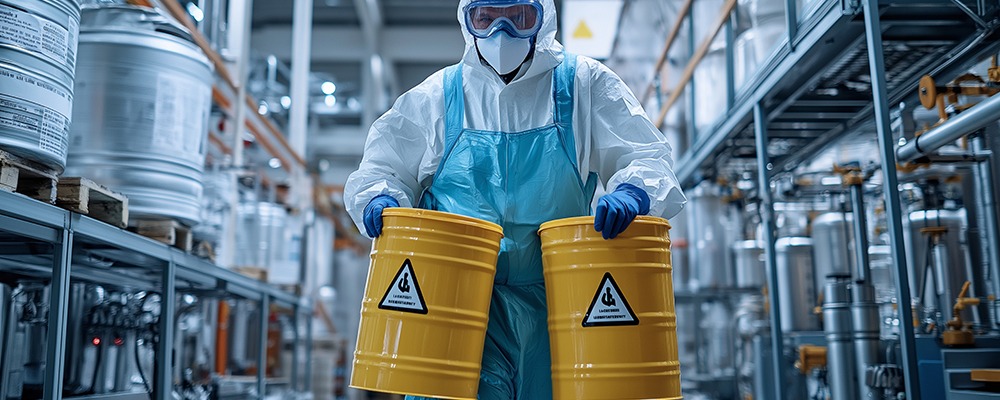
From a regulatory standpoint, bacterial amylase has gained acceptance globally for its safe use in food and non-food applications. Enzymes derived from non-genetically modified organisms (non-GMOs) are especially sought after in markets that prioritise clean-label products. The availability of bacterial amylase that meets ISO and FSSAI quality standards gives industries the confidence to integrate them without worrying about compliance or safety concerns.
Additionally, these enzymes are biodegradable and non-toxic, further reinforcing their environmental advantages. With governments and regulatory bodies increasingly encouraging eco-friendly solutions, the adoption of bacterial amylase in high-temperature applications is likely to see even greater traction in the years ahead.
Conclusion
The advantages of bacterial amylase in high-temperature industrial processes are manifold. From superior thermal stability and broad pH tolerance to cost efficiency, sustainability, and multi-industry applicability, this enzyme continues to drive innovation and optimisation across diverse sectors. Its ability to deliver consistent, high-quality results even in the harshest industrial conditions makes it an indispensable tool for them aiming to boost productivity without compromising on environmental or safety standards.
At Biolaxi Enzymes Pvt Ltd, we recognise the transformative potential of bacterial amylase in today’s demanding industrial landscape. With a focus on scientific innovation, quality assurance, and customer-centric solutions, we offer high-performance enzyme formulations tailored to your specific needs. Whether you’re looking to improve process efficiency or reduce environmental impact, our bacterial amylase solutions are designed to deliver excellence at every stage.