

Organic food production has gained significant traction over the past few decades, driven by consumer demand for healthier, sustainable, and more environmentally-friendly food options. Central to this movement is the emphasis on reducing the use of synthetic chemicals, such as pesticides and artificial additives, in food processing. As a result, organic food processing requires the adoption of advanced, eco-friendly technologies that align with the principles of organic farming while maintaining high quality and safety standards.
One of the most innovative advancements in organic food processing has been the introduction of residue-free enzymes. These natural biocatalysts are increasingly being used to replace traditional chemical agents in food production, ensuring that the final product meets organic standards while preserving nutritional integrity, flavour, and texture. But what exactly are residue-free enzymes, and how do they fit into the complex world of organic food processing?
What Are Residue-Free Enzymes?
Enzymes are biological molecules, typically proteins, that act as catalysts to accelerate chemical reactions in living organisms. In food processing, enzymes are used to break down complex molecules, such as starches, proteins, and fats, into simpler, more digestible forms. For example, in bread production, enzymes help break down starch into sugars, making the dough more manageable and enhancing the flavour of the final product.
Residue-free enzymes are enzymes that, after their action in food processing, leave no detectable traces or harmful residues behind in the food. This is crucial for organic food processing, where the goal is to avoid the use of any synthetic chemicals or substances that could be harmful to the environment or human health. Residue-free enzymes ensure that organic food products remain as natural as possible, free from any potentially hazardous residues, which aligns with the principles of organic farming and food production.
The use of such enzymes in food processing is not a new concept, but their development and application have come a long way. Today’s residue-free enzymes are specially designed to be highly specific in their actions, targeting only the intended molecules in the food, without interfering with other components. This selectivity ensures that enzymes perform their function efficiently and leave no unwanted by-products, making them ideal for organic food processing.
The Importance of Residue-Free Enzymes in Organic Food Processing
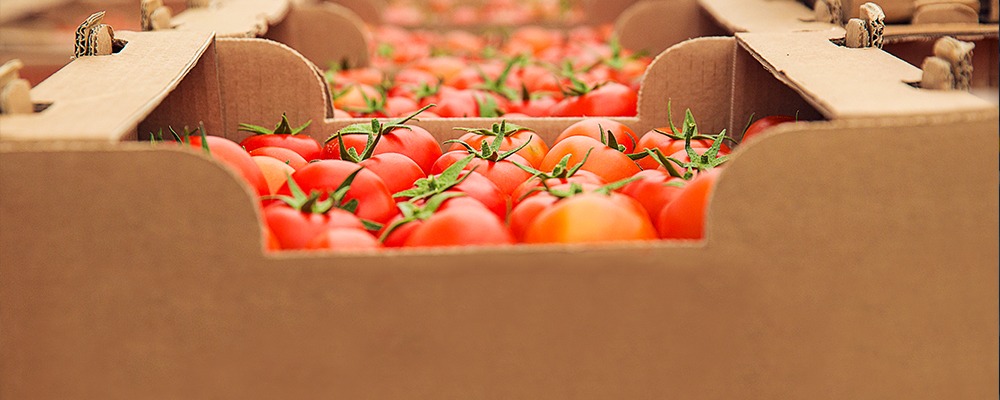
The importance of residue-free enzymes in organic food processing lies in their ability to preserve the natural essence of organic products. In organic farming, the focus is on avoiding synthetic chemicals, pesticides, and fertilisers, and the same principles apply during food processing. Consumers who choose organic food are often highly conscious of what goes into their food and the potential long-term effects of chemical residues. As such, ensuring that the food they consume is free from any form of contamination is paramount.
Residue-free enzymes offer a solution to this challenge by providing a natural, safe alternative to traditional chemical additives and processing aids. For example, in fruit juice processing, enzymes can be used to break down pectin and cellulose, which helps to clarify the juice and improve its texture. Since residue-free enzymes are carefully chosen to ensure they do not leave any harmful by-products, they maintain the integrity of the juice, ensuring it remains pure and free from any contaminants.
In addition to this, residue-free enzymes contribute to the overall sustainability of organic food production. The use of such enzymes reduces the need for chemical treatments and processing agents, thus decreasing the environmental impact of food production. Enzymes are typically biodegradable, meaning they can be broken down naturally without leaving a lasting impact on the environment. This makes them a far more sustainable choice compared to synthetic chemicals, which often pose long-term environmental risks.
The Role of Enzymes in Various Organic Food Processing Applications
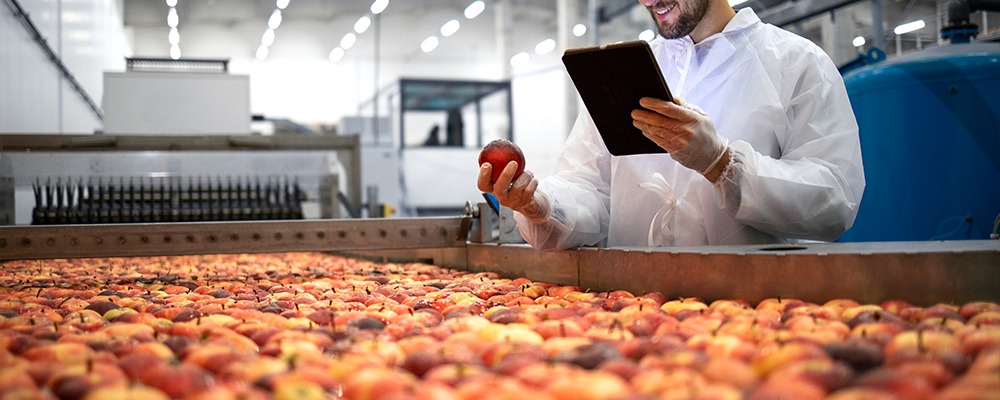
Residue-free enzymes are versatile and can be applied to a wide range of organic food processing applications. In baking, enzymes such as amylases and proteases are used to enhance dough quality, improve bread texture, and extend shelf life. These enzymes are carefully selected to ensure they do not leave any unwanted residues in the final product, which is crucial for maintaining the purity and authenticity of organic bread.
Similarly, in the dairy industry, enzymes like rennet are used to coagulate milk and facilitate cheese production. Residue-free enzymes in this context help to produce high-quality organic cheeses without the need for synthetic coagulants, which could leave undesirable residues in the product. In addition to dairy and baking, enzymes are also used in the production of organic beverages, such as beer and wine, where they help to break down starches and clarify liquids. The use of residue-free enzymes in these applications ensures that the final products are free from any unwanted chemical residues that could compromise their organic certification.
The use of residue-free enzymes is also critical in other areas, such as the processing of oils, fruit and vegetable products, and meat alternatives. In oil processing, enzymes can be used to enhance the extraction process and improve the quality of the final product. Similarly, in the production of meat substitutes, enzymes help to create products that mimic the texture and flavour of traditional meat, without the use of synthetic additives or preservatives.
The Science Behind
The science behind residue-free enzymes lies in their specificity and efficiency. Enzymes are highly selective in their action, meaning they only catalyse specific reactions in the food matrix. This selectivity ensures that enzymes can target the desired molecule—such as starch, protein, or fat—without affecting other components of the food. Once the enzyme has completed its task, it is either broken down naturally or removed from the product, leaving no trace of its presence.
The development of residue-free enzymes involves advanced research and technology. Enzyme manufacturers invest in state-of-the-art techniques, such as enzyme engineering and protein modification, to enhance the performance and selectivity of their products. This ensures that the enzymes work effectively within the parameters of organic food processing, without leaving any residual traces.
Another key aspect of residue-free enzymes is their stability. Enzymes need to be stable under various processing conditions, including heat, pH changes, and mechanical stress. Manufacturers of residue-free enzymes ensure that their products are robust enough to withstand these conditions, ensuring that they perform optimally throughout the processing stages and do not break down prematurely.
Conclusion
In conclusion, residue-free enzymes play a vital role in the advancement of organic food processing. These natural biocatalysts offer a sustainable, eco-friendly alternative to synthetic chemicals, ensuring that food products are free from harmful residues and maintain their organic integrity. With their high specificity, efficiency, and minimal environmental impact, residue-free enzymes are transforming the way organic foods are processed, offering both producers and consumers a cleaner, greener solution to food production.
As the demand for organic food continues to rise, the importance of residue-free enzymes in maintaining high-quality standards cannot be overstated. Companies like Biolaxi Enzymes Pvt Ltd, with their deep commitment to producing eco-friendly and high-quality enzyme formulations, are helping to meet this demand. With over 14 years of expertise, Biolaxi remains a trusted partner in the development of innovative, residue-free enzyme solutions that ensure the purity and excellence of organic food products worldwide.