
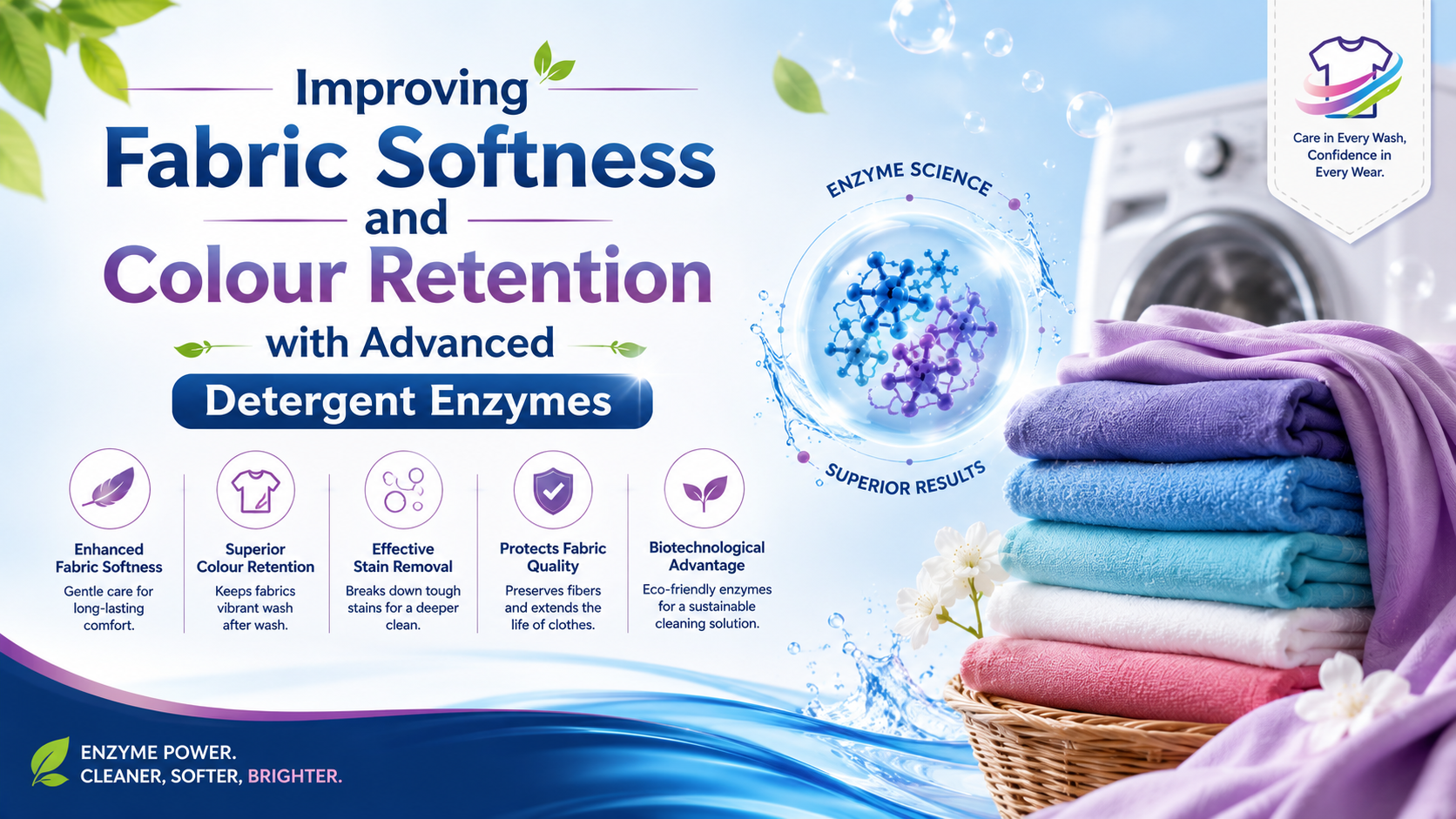
Today’s consumers expect more from their laundry detergents than simple stain removal. Clothes are expected to remain soft, retain their original colours, and look newer even after dozens of wash cycles. Whether washing everyday cotton garments, sportswear, children’s clothing, or premium fabrics, preserving textile quality has become just as important as effective cleaning.
Repeated washing, however, naturally affects fabric performance. Fibres become rough, colours gradually lose their brightness, and garments begin to show visible signs of wear. Modern enzyme technology helps overcome these challenges by allowing detergents to clean efficiently while protecting the structure and appearance of fabrics. Rather than relying solely on harsh chemicals, advanced enzyme formulations target stains precisely and help maintain garment quality throughout repeated laundering.
Why Fabrics Lose Softness and Colour
Every wash cycle places stress on textile fibres. Dirt, body oils, food residues, and detergent deposits gradually accumulate on fabric surfaces, while mechanical agitation causes tiny fibre ends to lift from the material. These loose fibres create a rough texture and make garments appear faded or worn.
Several factors contribute to fabric deterioration over time, including:
- Protein, starch, and oily stains becoming embedded within fibres
- Fibre abrasion caused by repeated washing
- Colour dullness from residual dirt and surface fuzz
- Harsh cleaning chemicals affecting delicate textiles
Over time, these changes reduce both the appearance and comfort of clothing.
How Detergent Enzymes Improve Fabric Care
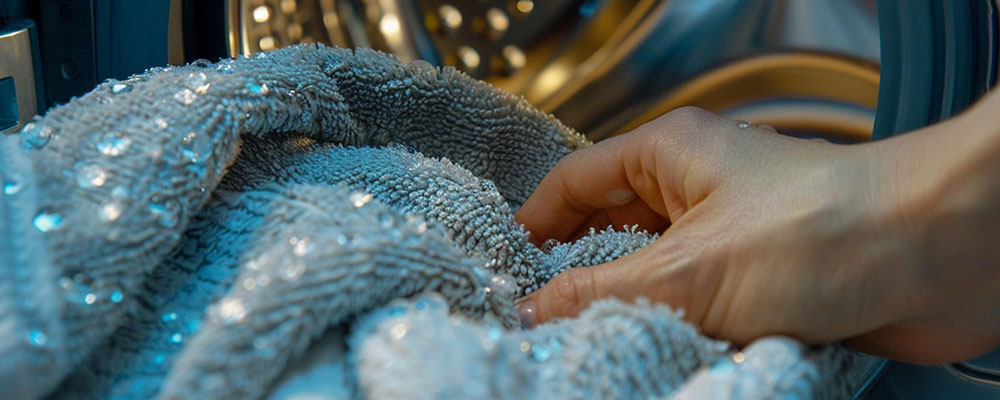
Enzymes are biological catalysts that break down complex stain molecules into smaller, water-soluble compounds that can be removed easily during washing.
Unlike conventional detergent chemicals that work broadly across all materials, enzymes are highly selective. Each enzyme targets a specific type of stain without attacking the fabric itself. This precision enables effective cleaning while helping preserve the integrity of textile fibres.
Modern detergent formulations often combine several enzymes to provide comprehensive cleaning and fabric care.
The Role of Different Enzymes in Laundry Applications
Different enzymes contribute unique benefits throughout the washing process.
- Proteases remove protein-based stains such as blood, sweat, dairy products, and food residues.
- Amylases break down starch-based stains from sauces, cereals, potatoes, and baked foods.
- Lipases target grease, cooking oils, cosmetics, and sebum that cling to fabric fibres.
- Cellulases improve the condition of cotton fibres by removing microscopic surface fuzz that causes roughness and dullness.
Working together, these enzymes improve overall cleaning performance while helping fabrics maintain their original appearance.
Restoring Fabric Softness
Softness depends largely on the condition of the outer fibre surface. As garments age, repeated washing causes tiny fibrils to protrude from cotton fibres, creating a rough texture that reduces comfort.
Cellulase enzymes gently remove these loose microfibres without damaging the underlying fabric structure. This controlled action smooths the textile surface, allowing fabrics to regain a softer feel after repeated washing.
Cleaner fibres also trap less dirt between wash cycles, helping garments remain fresh and comfortable for longer.
Protecting Colour Brightness
Colour retention is one of the most valued characteristics in modern fabric care. Consumers want garments to maintain their original appearance even after frequent laundering.
Enzyme technology contributes to colour protection in several ways. By removing residual dirt completely, colours appear brighter because they are no longer hidden beneath soil deposits. Cellulases also reduce surface fuzz that scatters light and gives fabrics a faded appearance.
Because enzymes reduce the need for aggressive chemical treatment, fabrics experience less damage during washing. The result is clothing that retains its vibrancy and visual appeal across multiple wash cycles.
Better Cleaning Under Modern Washing Conditions
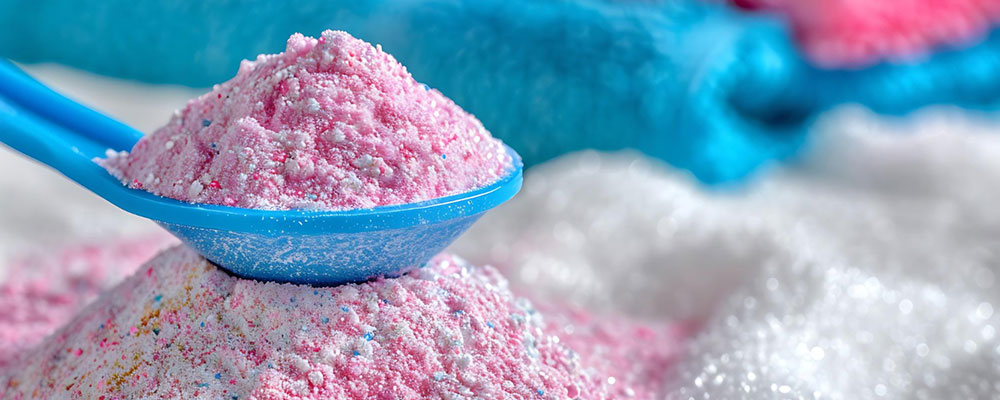
Modern laundry habits have changed considerably. Consumers increasingly prefer shorter wash cycles and lower washing temperatures to reduce energy consumption.
Advanced detergent enzymes remain highly active under these milder conditions, allowing detergents to remove protein, starch, and grease stains efficiently without depending on high temperatures.
This offers several important advantages:
- Effective stain removal in cold water
- Lower household energy consumption
- Reduced fabric stress during washing
- Better protection for delicate garments
- Improved overall detergent efficiency
These benefits make enzyme technology an essential component of today’s high-performance detergent formulations.
Supporting Sustainable Fabric Care
Sustainability has become a major focus across the detergent industry. Consumers expect products that deliver excellent cleaning while reducing environmental impact.
Enzyme technology supports these goals by lowering the dependence on harsh chemical ingredients and enabling effective cleaning at lower washing temperatures. Reduced energy consumption, improved detergent efficiency, and longer garment life all contribute to more sustainable laundry practices.
Extending the usable life of clothing also helps reduce textile waste, supporting broader environmental objectives.
Conclusion
Modern fabric care goes far beyond stain removal. Consumers expect detergents that protect softness, preserve colour, and help garments maintain their original appearance throughout repeated washing. Advanced enzyme technology makes this possible by delivering targeted cleaning while protecting textile fibres from unnecessary damage. The result is cleaner clothes, longer-lasting fabrics, and improved garment care under a wide range of washing conditions.
At Biolaxi Enzymes Pvt. Ltd., we develop advanced detergent enzyme solutions that help manufacturers formulate high-performance laundry products for today’s evolving market. Through scientifically engineered enzyme technology and customised formulations, our solutions improve cleaning efficiency, preserve fabric quality, support energy-efficient washing, and deliver long-lasting garment care that meets modern consumer expectations.