
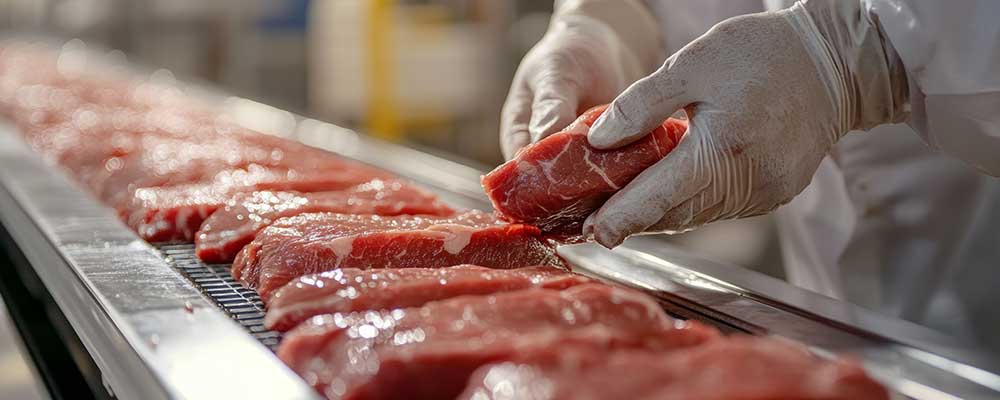
Processed meat products continue to evolve in response to changing consumer expectations around texture, consistency and sensory experience. Whether in ready to cook formats, restructured meats or premium value added products, texture plays a defining role in product acceptance. Achieving uniform structure, tenderness and binding across batches remains a technical challenge due to variability in raw material quality and processing conditions.
Enzyme technology has emerged as a highly effective tool for addressing these challenges. By enabling precise modification of protein structures, enzymes support improved texture development, functional stability and processing efficiency. Their role extends beyond simple tenderisation to include controlled restructuring, moisture retention and enhancement of overall product performance.
Understanding Structural Challenges in Processed Meat Systems
Processed meat products rely heavily on the functional behaviour of proteins. Myofibrillar proteins are responsible for binding, water retention and structural integrity. However, variations in raw meat quality, including differences in muscle composition, fat content and pH levels, can significantly affect protein functionality.
These inconsistencies often lead to:
- Uneven texture across batches
- Poor binding in restructured products
- Excessive moisture loss during cooking
- Reduced product yield and stability
Traditional processing techniques may partially address these issues, but they often lack the precision required to achieve consistent outcomes at scale. This is where enzyme based solutions offer a distinct advantage.
Mechanism of Enzymatic Action in Meat Processing
Enzymes act as biological catalysts that selectively modify protein structures within meat systems. Unlike mechanical or chemical treatments, enzymatic reactions occur at a molecular level, allowing for controlled and targeted modification.
Key enzymatic mechanisms include:
- Controlled proteolysis that improves tenderness without compromising structure
- Protein cross linking that enhances binding and cohesion
- Modification of muscle fibres to improve water holding capacity
- Release of functional peptides that contribute to texture development
These mechanisms allow processors to influence the structural properties of meat with a high degree of accuracy.
Enhancing Texture Through Controlled Proteolysis
One of the primary applications of enzymes in meat processing is controlled proteolysis. By breaking down specific protein bonds, enzymes reduce the rigidity of muscle fibres, resulting in improved tenderness.
However, uncontrolled proteolysis can lead to overly soft or mushy textures. Precision enzyme systems are designed to act selectively, ensuring that the desired level of tenderness is achieved without compromising product integrity.
This controlled approach enables processors to produce meat products with consistent bite, chewiness and overall mouthfeel.
Improving Binding in Restructured Meat Products
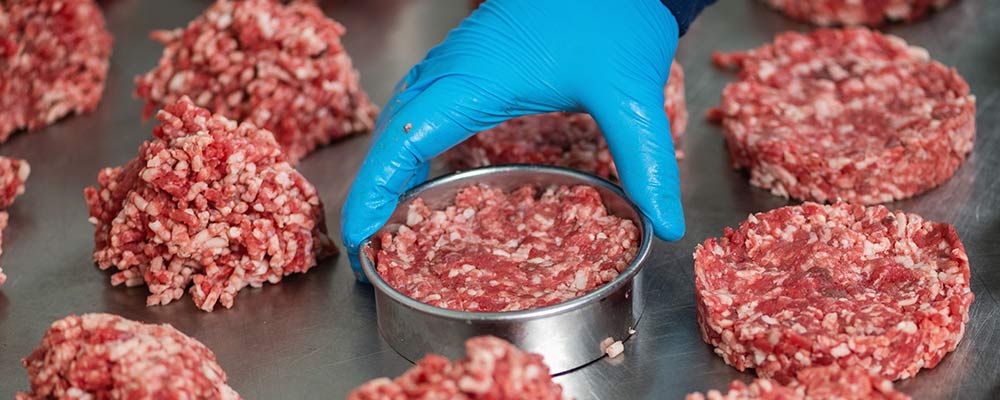
Restructured meat products such as formed patties, nuggets and sausages require strong protein binding to maintain shape and structure. Weak binding can result in product breakage, uneven cooking and poor visual appeal.
Enzymes that promote protein cross linking play a critical role in enhancing binding strength. These enzymes create stable bonds between protein molecules, resulting in a cohesive and uniform structure.
Benefits of improved binding include:
- Better product shape retention during processing and cooking
- Enhanced sliceability and handling properties
- Reduced reliance on synthetic binders
- Improved overall product consistency
This makes enzymatic solutions particularly valuable in high volume processing environments.
Enhancing Water Holding Capacity and Yield
Moisture retention is a key factor influencing both product quality and economic performance. During processing and cooking, meat products can lose significant amounts of water, leading to reduced yield and drier texture.
Enzymes help improve water holding capacity by modifying protein structures to retain more moisture within the matrix. This results in:
- Juicier final products with improved mouthfeel
- Reduced cooking losses
- Higher product yield and better resource utilisation
Improved moisture retention also contributes to longer shelf life and enhanced consumer satisfaction.
Supporting Texture Consistency Across Variable Raw Materials
One of the major challenges in meat processing is the variability of raw materials. Differences in animal breed, diet and handling conditions can lead to significant variations in meat quality.
Enzymes act as a stabilising factor by compensating for these variations. Through controlled modification of protein structures, enzymatic systems help standardise texture and functional properties across batches.
This consistency is particularly important for brands that need to maintain uniform product quality across large production volumes.
Enabling Clean Label and Process Optimisation
Consumer demand for simpler ingredient lists is influencing product development across the food sector. Enzymes support clean label objectives by providing functional benefits without the need for additional chemical additives.
Because enzymes act during processing and do not remain active in the final product, they allow processors to achieve desired texture and functionality in a more natural way.
In addition, enzymatic solutions can simplify processing by reducing the need for multiple corrective steps, leading to improved operational efficiency.
Application Flexibility Across Meat Formats
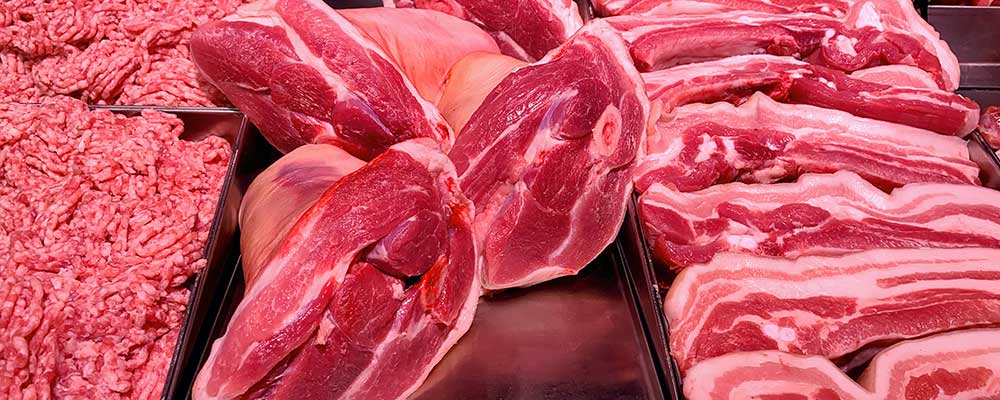
Enzyme technology offers flexibility across a wide range of processed meat applications. Whether used in whole muscle products, emulsified meats or restructured formats, enzymes can be tailored to meet specific processing requirements.
Applications include:
- Tenderisation of whole muscle cuts
- Binding enhancement in formed products
- Texture optimisation in emulsified meat systems
- Moisture retention in cooked and ready to eat products
This adaptability allows processors to address diverse product challenges using targeted enzymatic approaches.
Improving Process Efficiency and Cost Control
From an operational perspective, enzyme technology contributes to improved process efficiency and cost management. By enhancing protein functionality and reducing variability, enzymes help minimise production losses and improve overall output quality.
Key operational benefits include:
- Reduced batch rejections due to texture defects
- Improved yield through better moisture retention
- Lower dependence on corrective additives
- Greater consistency in production outcomes
These advantages support more predictable and efficient processing operations.
Conclusion
Texture and functional performance are critical determinants of quality in processed meat products. Variability in raw materials and processing conditions often makes it difficult to achieve consistent results using conventional methods. Enzyme technology provides a precise and effective solution by enabling controlled modification of protein structures, improving tenderness, binding and moisture retention.
Biolaxi Enzymes has been supporting advancements in processed meat applications through specialised enzyme technologies designed to enhance protein functionality and texture performance. By integrating targeted enzymatic solutions, processors can achieve consistent product quality, improved efficiency and greater control over the structural properties of processed meat products.