

Tea processing today is no longer limited to traditional methods driven by experience and environmental control. As global markets demand consistent quality, refined flavour profiles and scalable production, tea processors are increasingly adopting scientific approaches to manage variability. One of the most impactful developments in this transition is the use of enzyme systems to guide and enhance the natural biochemical transformations within tea leaves.
Enzymes are naturally present in tea leaves and play a central role in shaping the final product. Modern enzyme technology builds upon this natural activity, allowing processors to control reactions more precisely and achieve predictable outcomes across batches. This shift enables tea production to move from variable craftsmanship to controlled and optimised processing.
Understanding the Biochemical Nature of Tea Processing
The transformation of fresh tea leaves into finished tea involves a series of enzymatic reactions that define its sensory characteristics. When leaves are withered, rolled or crushed, cellular structures break down, allowing enzymes to interact with internal compounds.
These reactions drive:
- Conversion of catechins into theaflavins and thearubigins
- Development of colour and brightness
- Formation of complex aroma compounds
- Reduction or enhancement of astringency
The balance of these reactions determines whether the tea exhibits desirable flavour and aroma or suffers from inconsistencies.
Why Traditional Processing Faces Limitations
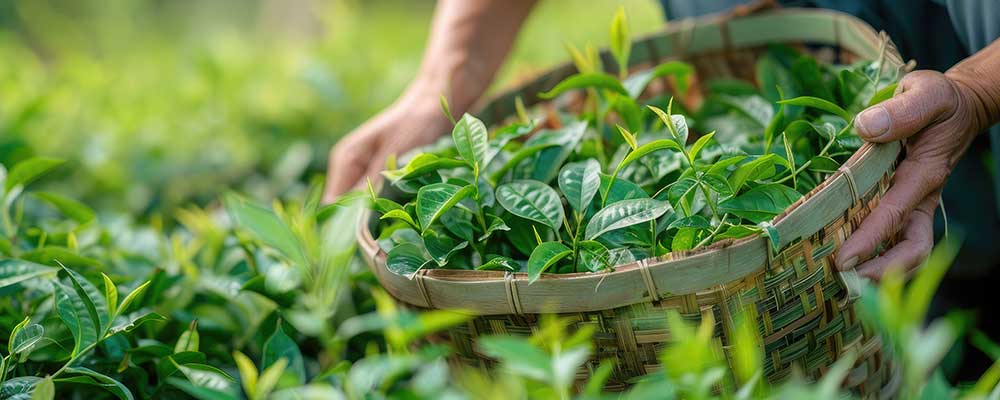
Conventional tea processing relies heavily on external parameters such as humidity, temperature and timing. While these factors influence outcomes, they do not directly control the enzymatic reactions responsible for quality.
This creates several operational risks:
- Inconsistent flavour due to fluctuating enzyme activity in leaves
- Over or under oxidation depending on environmental variation
- Heavy reliance on manual judgement
- Increased batch rejection and reprocessing
For large scale production, these inconsistencies can impact both quality assurance and profitability.
The Expanding Role of Enzyme Systems in Tea Manufacturing
Targeted enzyme systems introduce a structured approach to managing tea processing reactions. Instead of relying solely on naturally occurring enzyme activity, processors can guide biochemical pathways more effectively.
These systems support:
- Controlled breakdown of complex compounds
- Enhanced release of flavour and aroma precursors
- Regulation of oxidation intensity
- Reduction of undesirable compounds
By influencing reactions at the molecular level, enzyme systems enable consistent and repeatable processing outcomes.
Achieving Better Oxidation Control with Enzymes
Oxidation is the most critical stage in tea processing, particularly for black and oolong teas. It determines the formation of compounds responsible for colour, body and taste.
With enzyme support, processors can:
- Maintain stable oxidation rates across batches
- Improve formation of desirable compounds such as theaflavins
- Prevent excessive oxidation that leads to dull flavours
- Reduce processing variability caused by raw leaf differences
This ensures that each batch meets defined quality parameters without excessive dependence on external conditions.
Enhancing Aroma and Flavour Development
Aroma is one of the most valuable attributes of tea, directly influencing consumer preference and market value. However, aroma formation depends on complex and sensitive biochemical reactions.
Enzymes improve this process by:
- Promoting efficient conversion of flavour precursors
- Enhancing floral, fruity or malty aromatic notes
- Minimising harsh or undesirable flavours
- Supporting uniform sensory profiles across production cycles
For premium teas, consistent aroma development is essential for maintaining brand identity and product differentiation.
Improving Processing Efficiency and Output
Enzyme systems not only enhance quality but also contribute to operational efficiency. By accelerating key reactions, they reduce the time required for critical processing stages.
Benefits include:
- Shorter oxidation cycles
- Reduced dependency on prolonged withering
- Improved extraction of useful compounds
- Lower need for corrective processing
These efficiencies enable higher throughput while maintaining or improving product quality.
Managing Raw Material Variability More Effectively
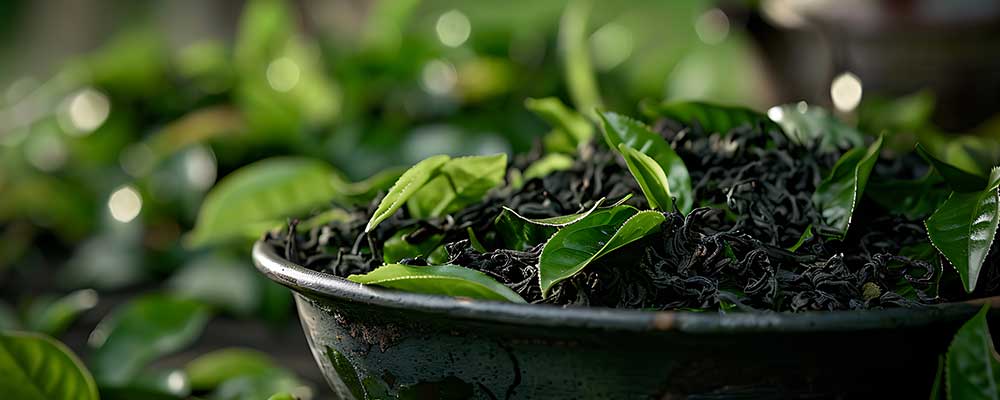
Tea leaves are agricultural inputs and naturally vary based on season, climate and cultivation practices. This variability directly affects processing outcomes.
Enzyme systems act as a stabilising factor by:
- Compensating for differences in leaf composition
- Standardising biochemical reactions across batches
- Reducing inconsistencies caused by fluctuating raw material quality
This is particularly important for large scale operations that require uniform output across diverse sourcing conditions.
Supporting Innovation in Tea Product Development
Consumer preferences are evolving towards specialty teas with unique flavour profiles and premium positioning. Enzyme technology enables processors to explore these opportunities with greater confidence.
Applications include:
- Controlled partial oxidation for specialty teas
- Customised flavour development strategies
- Improved consistency in blended products
- Development of differentiated sensory profiles
This flexibility allows producers to innovate while maintaining process reliability.
Sustainability Advantages of Enzyme Based Processing
Sustainability is becoming a key consideration in tea manufacturing. Enzyme systems support more resource efficient processing methods by reducing reliance on energy intensive and chemical based approaches.
Key benefits include:
- Lower energy consumption due to reduced processing time
- Decreased water usage
- Reduced waste through improved first pass quality
- Minimal need for chemical interventions
These advantages align with global expectations for environmentally responsible production.
Considerations for Effective Implementation
Successful integration of enzyme systems requires alignment with processing conditions and objectives. Key factors include:
- Matching enzyme activity with temperature and pH conditions
- Selecting appropriate enzyme systems for specific tea types
- Optimising dosage and application timing
- Monitoring reactions to ensure consistent performance
With proper implementation, enzyme systems can be seamlessly incorporated into existing processes.
Future Direction of Enzyme Driven Tea Processing
Advancements in enzyme technology continue to expand possibilities in tea manufacturing. Future developments are expected to focus on:
- Highly specific enzyme systems tailored to different tea varieties
- Multi functional enzyme blends for improved efficiency
- Integration with digital tools for real time monitoring
- Enhanced solutions for ready to drink tea applications
These innovations will further strengthen the role of enzymes in achieving precision and scalability.
Conclusion
Tea processing is transitioning towards a more controlled and science driven approach, where consistency, efficiency and quality are paramount. Enzyme systems play a central role in this transformation by enabling precise control over the biochemical reactions that define tea characteristics.
By improving oxidation control, enhancing aroma development, managing variability and supporting sustainable practices, enzymes provide a comprehensive solution for modern tea processing challenges.
Biolaxi Enzymes has been actively supporting tea processors with advanced enzyme solutions that address real world production needs. Through consistent enzymatic performance, these solutions help achieve stable quality, refined flavour profiles and improved operational efficiency across diverse tea manufacturing environments.