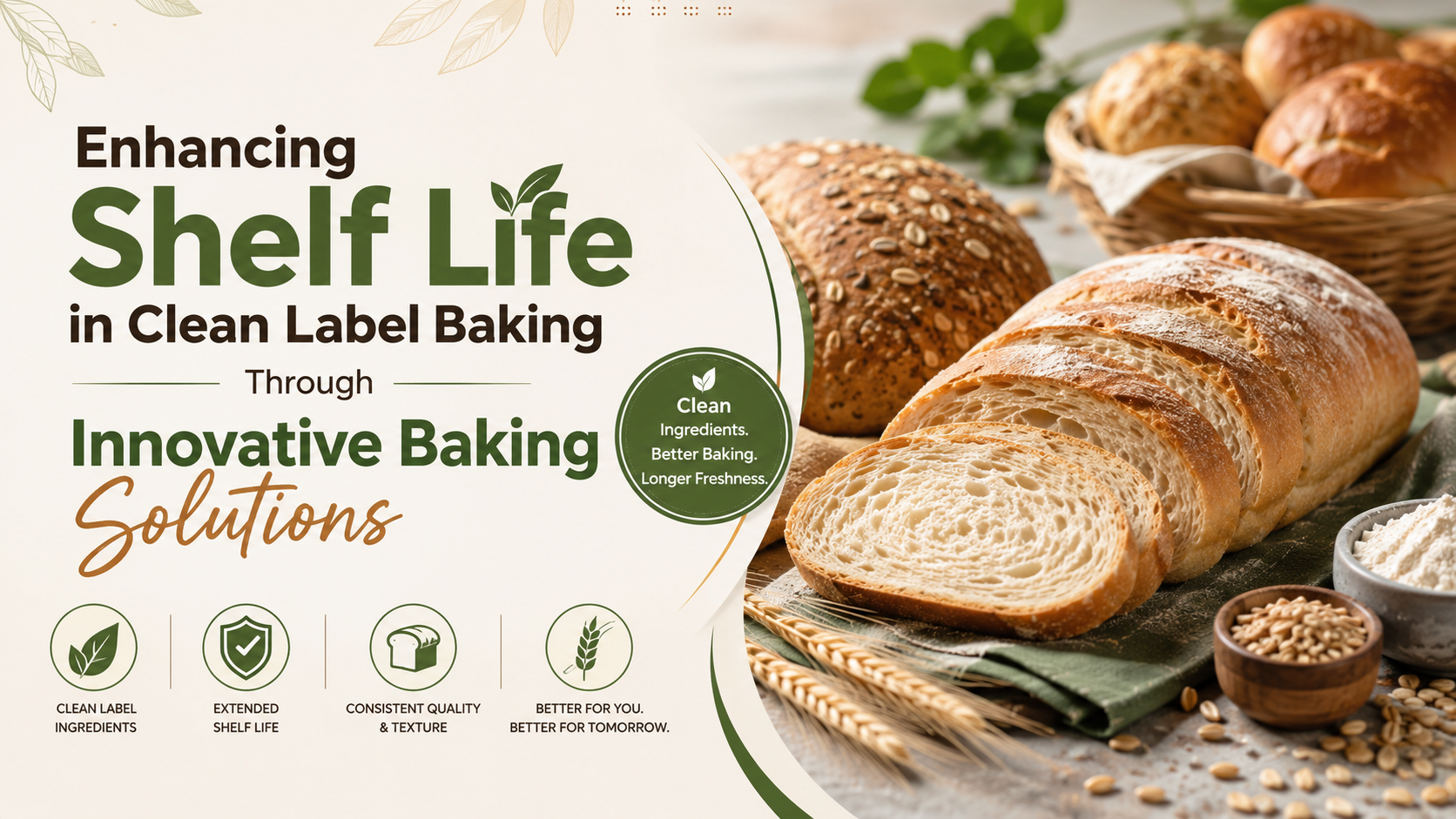
The bakery industry is changing rapidly. Consumers no longer judge baked products solely by their taste or appearance. They also pay close attention to ingredient lists, expecting bread, buns, and rolls to stay fresh while containing fewer artificial additives and more recognisable ingredients. This growing demand has accelerated the shift towards clean label baking, encouraging manufacturers to adopt smarter processing technologies that naturally preserve product quality.
Extending shelf life without relying on synthetic preservatives presents a significant challenge. Freshly baked products begin to change the moment they leave the oven. Moisture gradually redistributes, starch molecules reorganise, and the soft crumb slowly becomes firm. Although these changes are completely natural, they reduce product quality, shorten marketable shelf life, and contribute to unnecessary food waste across the supply chain. Innovative baking solutions built around enzyme technology help address these challenges by improving the baking process itself rather than masking quality loss with chemical additives.
Understanding Shelf Life in Clean Label Baking
Shelf life is much more than the number of days a product remains safe to consume. It reflects how long baked goods retain the qualities consumers value most, including softness, freshness, texture, volume, aroma, and overall eating experience.
One of the primary causes of quality deterioration is starch retrogradation. During baking, starch granules absorb water and gelatinise, creating the soft crumb structure associated with fresh bread. As the product cools and ages, these starch molecules gradually recrystallise, forcing moisture away from the crumb. The result is a firmer texture and the familiar process known as staling.
Moisture migration further accelerates this decline. Water slowly moves from the centre of the product towards the crust and surrounding environment, leaving the crumb dry even though the product remains perfectly safe to eat. For bakeries committed to clean label formulations, slowing these natural changes without depending on artificial ingredients has become an important production objective.
Why Clean Label Baking Requires Smarter Solutions
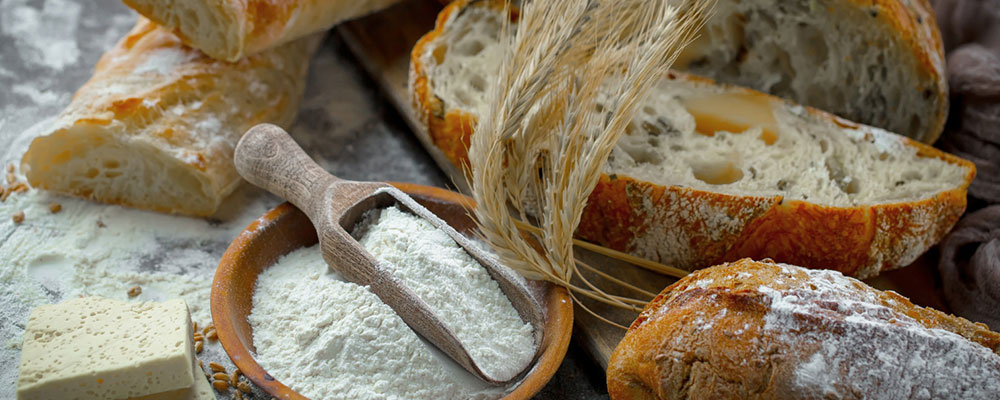
Consumers increasingly prefer bakery products made with simple, familiar ingredients. Artificial emulsifiers, chemical dough conditioners, and synthetic preservatives are gradually being replaced with processing solutions that improve product quality more naturally.
Enzymes have become an important part of this transformation. Rather than remaining as active ingredients in the finished product, they perform highly specific reactions during dough preparation and baking before becoming inactive. Their role is to optimise the behaviour of flour components, allowing manufacturers to achieve better product quality while supporting cleaner ingredient declarations.
This approach improves both consumer confidence and manufacturing performance.
The Role of Xylanase in Modern Baking
Among the enzymes used in bakery applications, xylanase plays a particularly valuable role. It acts on arabinoxylans, naturally occurring hemicellulose components present in wheat flour that tend to bind large amounts of water and restrict efficient dough development.
By breaking these complex fibres into smaller soluble fragments, xylanase releases water that becomes available for gluten development and starch hydration. Dough becomes easier to mix, more stable during processing, and better able to retain the gas produced during fermentation. These improvements create stronger dough structures and contribute to better loaf volume, finer crumb texture, and more consistent baking performance.
The benefits extend well beyond production. A more uniform crumb structure retains moisture more effectively, helping baked products remain soft and pleasant for longer periods during storage.
Extending Freshness Through Better Dough Structure
Long lasting freshness begins long before baking is complete. The quality of the dough largely determines how well a finished product resists staling during storage.
When moisture is distributed evenly throughout the dough and the internal crumb develops a balanced structure, bread retains its softness more effectively. Xylanase supports this process by improving water management within the dough and strengthening its overall structure. Better hydration slows moisture loss and delays crumb firming, allowing products to maintain desirable eating qualities for an extended period.
Consumers notice the difference with every slice. Bread remains softer, buns retain their pleasant texture, and rolls continue to deliver the fresh eating experience expected from premium bakery products.
Improving Production Efficiency
Commercial bakeries depend on consistency. Even small variations in dough handling can affect production efficiency, finished product quality, and manufacturing costs.
Xylanase contributes to smoother processing by reducing dough viscosity and improving machinability. Mixing becomes more uniform, dough handling is simplified, and fermentation performance becomes more predictable. These improvements help automated production lines operate efficiently while reducing batch-to-batch variation.
The result is greater operational reliability alongside consistent product quality.
Delivering Premium Quality Naturally
Appearance, texture, and freshness all influence purchasing decisions. Consumers expect bakery products to have good volume, a fine crumb, and a soft bite from the first day through the final day of shelf life.
Enzyme technology helps achieve these characteristics naturally. By improving flour functionality during processing, xylanase enhances crumb structure, supports moisture retention, and promotes consistent product quality without increasing dependence on synthetic additives. This enables manufacturers to produce premium baked goods while remaining aligned with clean label principles.
Supporting More Sustainable Baking
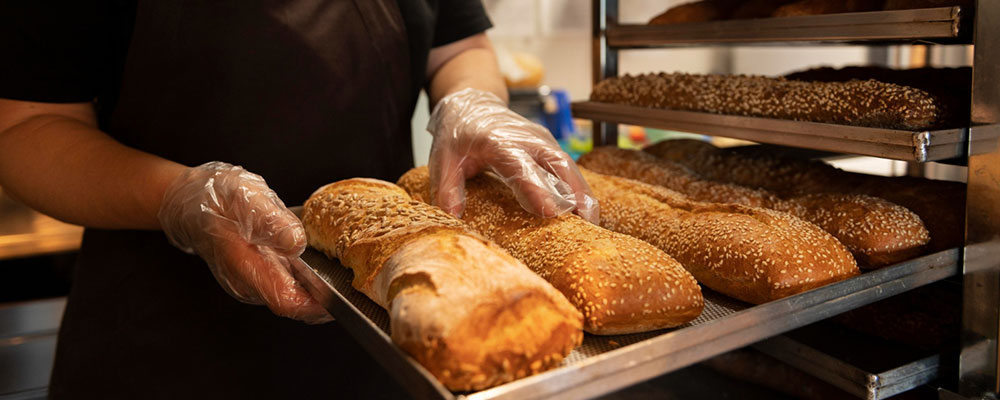
Extending shelf life also delivers important sustainability benefits. Bakery products that remain fresh for longer are less likely to be discarded during distribution, retail storage, or household use. Reducing food waste benefits both manufacturers and consumers while improving overall supply chain efficiency.
Enzyme technology also supports more sustainable production by improving process efficiency, reducing reliance on chemical dough conditioners, and helping manufacturers achieve better performance from existing raw materials. These advantages make innovative baking solutions an important part of modern, environmentally responsible bakery operations.
Conclusion
Clean label baking is transforming the way bakery products are developed and manufactured. Consumers expect freshness, softness, and simple ingredient lists without compromising quality, while manufacturers require reliable processing solutions that deliver consistent results. Xylanase technology supports both objectives by improving dough performance, strengthening crumb structure, promoting moisture retention, and naturally extending product freshness.
At Biolaxi Enzymes Pvt. Ltd., we develop advanced baking solutions that help commercial bakeries produce high quality clean label products with greater consistency and longer shelf life. Through scientifically designed enzyme technology, bakeries can improve processing efficiency, reduce food waste, enhance finished product quality, and confidently meet the changing expectations of today’s consumers.