
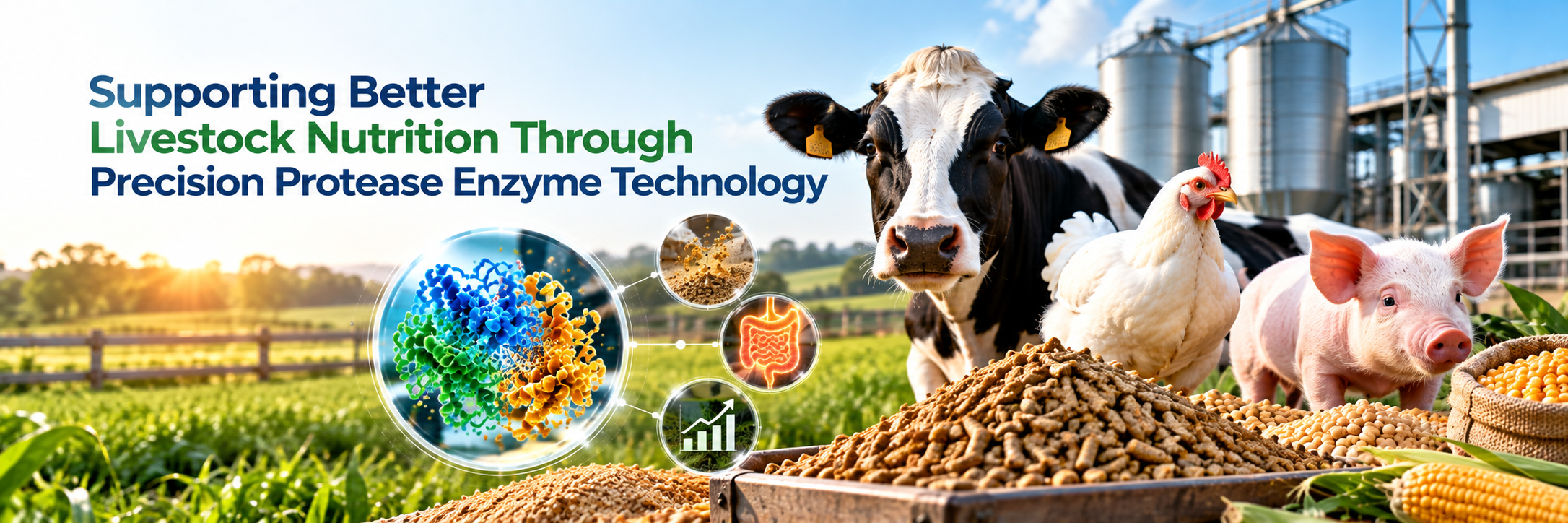
Livestock nutrition is increasingly centred on improving nutrient utilisation rather than simply increasing the quantity of nutrients present in a ration. Protein is one of the most important and costly components of animal feed, contributing essential amino acids required for growth, tissue development, maintenance and production. However, the nutritional value of a feed protein depends not only on its protein content, but also on how effectively it can be broken down and utilised by the animal. Protease enzymes provide a targeted approach to this challenge by hydrolysing complex proteins into smaller peptides and amino acids that can be more readily utilised. Their potential role extends beyond protein digestion, forming part of a wider enzyme-based strategy that can include phytase, xylanase and beta-glucanase to improve the utilisation of different feed components. For feed manufacturers and livestock producers, the objective is to develop enzyme solutions that work predictably within specific diets and production systems rather than treating enzyme supplementation as a universal intervention.
Protein Utilisation Is More Complex Than Protein Content
Protein has traditionally been evaluated through measures such as crude protein content. While this remains an important feed specification, it does not fully describe nutritional availability.
Proteins are large molecules made up of amino acids linked by peptide bonds. Before amino acids can be absorbed efficiently, dietary proteins generally need to be hydrolysed into smaller peptides and amino acids through digestive processes.
Animals naturally produce proteolytic enzymes, including enzymes such as pepsin and pancreatic proteases. However, the effectiveness of endogenous digestion can vary depending on animal species, age, physiological condition, diet composition, feed processing and other factors.
This creates an opportunity for exogenous proteases added to feed formulations.
Exogenous proteases can assist the hydrolysis of feed proteins and potentially make more protein-derived nutrients available during digestion. Research on proteases in animal nutrition has identified their use both during feed-ingredient processing and as direct feed additives, although responses vary according to animal species, diet and experimental conditions.
For commercial feed operations, this variability is important. Enzyme selection should be based on the actual feed matrix and nutritional objective rather than assuming that one enzyme will deliver the same response across all formulations.
How Protease Enzymes Work Within the Feed Matrix
The fundamental action of a protease is protein hydrolysis.
The process can be simplified as:
Complex dietary proteins → proteolytic hydrolysis → peptides → smaller peptides and amino acids → improved accessibility for digestion and absorption
The degree to which this occurs depends on several factors.
The enzyme needs to encounter its substrate under conditions that allow it to remain sufficiently active. Temperature, pH, moisture, processing conditions, storage stability and the nature of the feed protein can all influence the final outcome.
Proteases may be derived from different biological sources, including microbial systems. Fungal and bacterial proteases can have different activity profiles and operating characteristics, allowing enzyme selection to be tailored to a particular application.
Biolaxi’s feed and animal nutrition portfolio includes bacterial and fungal proteases, alongside phytase, xylanase and beta-glucanase. Its published information describes these products as being used to target proteins and non-starch polysaccharides within animal-feed applications.
Why Protein Digestibility Matters to Feed Economics
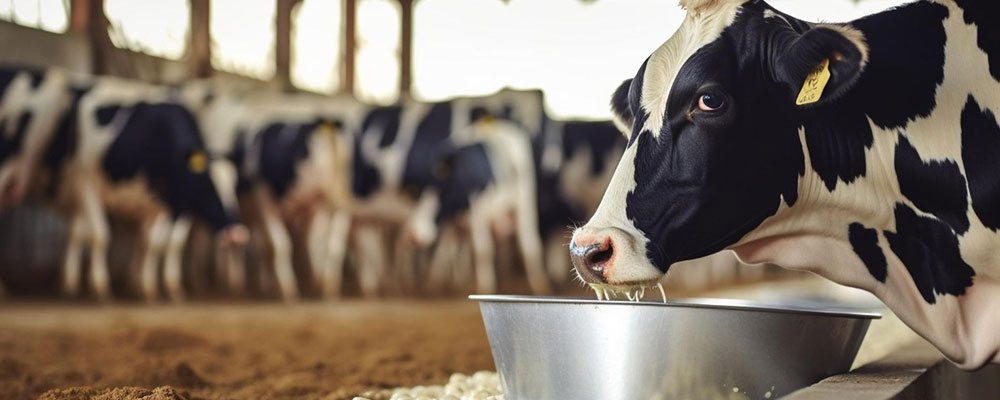
Protein is among the more valuable components of many animal diets. Poor utilisation can therefore have consequences beyond nutritional performance.
When a proportion of dietary protein is not effectively digested and absorbed, nitrogen-containing compounds may ultimately be excreted. This means that improving nutrient utilisation can be relevant not only to animal nutrition but also to feed efficiency and environmental management.
However, the commercial objective should not be framed simply as maximising protein digestion at any cost. A good enzyme programme aims to improve the utilisation of available nutrients while maintaining animal performance, feed quality and economic viability.
Potential objectives include:
- Improving protein accessibility within the digestive system
- Supporting amino-acid availability
- Increasing the value derived from existing feed ingredients
- Supporting formulation flexibility
- Improving consistency in nutrient utilisation
- Potentially reducing nitrogen losses associated with inefficient protein utilisation
Scientific reviews indicate that exogenous proteases have potential in animal nutrition, but also emphasise that responses can vary and that more work is required to establish optimal conditions for different applications.
This is why precision is more important than simply increasing enzyme inclusion.
Precision Starts with Understanding the Feed Ingredients
The effectiveness of a protease depends significantly on the proteins present in the diet.
Plant-based feed ingredients, animal-derived proteins and processed protein ingredients have different structures and digestibility characteristics. Processing can also alter protein structure, sometimes making proteins more accessible and sometimes creating structures that are more resistant to digestion.
Consequently, feed manufacturers should consider:
1. Protein Source
The source and composition of the protein influence its susceptibility to enzymatic hydrolysis.
2. Processing History
Heat treatment, extrusion, drying and other manufacturing steps can change protein structure and consequently influence enzyme accessibility.
3. Overall Diet Composition
Protease performance can be affected by interactions with other dietary components.
4. Animal Species and Age
An enzyme strategy designed for young poultry may not necessarily perform in the same way in pigs, ruminants or other livestock.
5. Target Nutritional Outcome
The purpose of supplementation should be established before selecting the enzyme. The objective may relate to nutrient digestibility, feed efficiency, formulation flexibility or broader nutritional performance.
A structured understanding of these factors creates the basis for a more meaningful enzyme programme.
Protease Is Part of a Larger Feed-Enzyme Strategy
Protein is only one part of the feed matrix. Cereal-based diets contain a range of non-starch polysaccharides and other compounds that can interfere with nutrient accessibility or alter the physical behaviour of digesta.
This is why modern feed-enzyme programmes often consider multiple enzyme activities rather than protease in isolation.
1. Phytase for Phytate-Bound Nutrients
Phytate can bind phosphorus and other nutrients, reducing their availability to animals. Phytase hydrolyses phytate and can improve phosphorus availability while reducing reliance on supplementary inorganic phosphorus in suitable formulations.
Biolaxi’s published feed-enzyme portfolio includes phytase and describes its use in breaking down phytic acid or phytate complexes.
2. Xylanase for Non-Starch Polysaccharides
Xylan is a major component of plant cell walls. Xylanase can hydrolyse xylan and related hemicellulosic structures. In suitable diets, this can influence intestinal viscosity and nutrient accessibility.
Biolaxi describes its xylanase as targeting xylan and hemicellulose in animal feed and identifies viscosity reduction as one of its intended functions.
3. Beta-Glucanase for Cereal-Based Feeds
Beta-glucans are another class of non-starch polysaccharides found in certain cereal ingredients. Their hydrolysis can help address viscosity-related challenges in appropriate feed formulations.
Biolaxi lists beta-glucanase for animal-feed applications and describes its role in breaking down beta-glucans present in cereal-based feeds.
The significance of this multi-enzyme approach is that different enzymes can address different nutritional constraints within the same feed matrix.
From Ingredient Processing to Animal Digestion
Protease technology can have two broad application points: during processing of feed ingredients and after the feed has been consumed.
During ingredient processing, proteases may be used to hydrolyse proteins and produce more digestible protein fractions or protein hydrolysates. Protease applications in the processing of plant and animal feed materials are recognised in animal-nutrition research.
As a feed additive, an exogenous protease is intended to complement the animal’s endogenous digestive enzyme system.
These two approaches should not be confused. An enzyme used during manufacturing is evaluated according to its ability to modify the ingredient under production conditions, whereas a feed additive needs to remain sufficiently active and effective within the animal’s digestive environment.
This distinction has implications for enzyme selection, formulation and quality control.
The Importance of Stability During Feed Manufacturing
Feed enzymes must often pass through demanding manufacturing environments. Depending on the feed format, processing may involve mixing, pelleting, conditioning, drying, storage and transportation.
One of the most important considerations is therefore enzyme stability.
A highly active enzyme in laboratory conditions has limited commercial value if much of its activity is lost during processing or storage.
Feed manufacturers should evaluate:
- Thermal stability
- Moisture sensitivity
- Storage stability
- Compatibility with other feed ingredients
- Stability during pelleting where applicable
- Activity after processing
- Homogeneity of distribution
These considerations are particularly important when designing commercial formulations because enzyme performance needs to be maintained from the manufacturing plant to the point of use.
Measuring the Impact Rather Than Assuming It
An enzyme should be judged by measurable outcomes rather than by theoretical activity alone.
For commercial feed programmes, relevant indicators may include:
- Protein digestibility
- Amino-acid digestibility
- Feed conversion
- Average daily gain
- Feed intake
- Growth performance
- Nutrient retention
- Nitrogen utilisation
- Manure characteristics
The appropriate measurements depend on the animal species and production objective.
Importantly, evidence does not support assuming that every feed enzyme will consistently produce the same growth or digestibility response under every dietary condition. A systematic review of exogenous feed enzymes in pigs found that diet composition and enzyme combinations influence outcomes, with responses varying between enzyme types and feed matrices.
More recent research in beef cattle has similarly reported improvements in nutrient digestibility from exogenous feed enzymes while finding that outcomes can depend on the method and form of enzyme application.
This reinforces the need for evidence-based formulation and validation.
Why Multi-Enzyme Formulation Requires Technical Precision
Combining several enzymes does not automatically produce a better result. Each enzyme has its own substrate, operating conditions and potential interactions.
A multi-enzyme formulation therefore needs to be designed around the specific diet.
For example:
- Protease → proteins
- Phytase → phytate
- Xylanase → xylan and hemicellulose
- Beta-glucanase → beta-glucans
The potential advantage is complementary action. A formulation may address several nutritional constraints simultaneously, but only where the relevant substrates are actually present.
Research has shown that enzyme complexes can improve nutrient digestibility under certain conditions, while also demonstrating that responses are influenced by diet composition and other factors.
The commercial lesson is clear: enzyme combinations should be formulated based on the nutritional architecture of the diet rather than simply increasing the number of enzymes used.
Precision Enzymes and More Efficient Feed Formulation
Precision nutrition aims to provide animals with the nutrients they require while minimising unnecessary nutrient inputs. Enzyme technology can support this philosophy by improving the accessibility of nutrients already present in feed ingredients.
A successful protease programme may create greater flexibility for nutritionists when working with variable protein sources or optimising dietary protein levels. Research has examined the use of exogenous proteases as one approach for potentially reducing dietary protein levels while maintaining performance, although results depend on the animal and diet.
For feed manufacturers, this creates an opportunity to evaluate enzymes within a broader formulation strategy rather than treating them simply as functional additives.
The relevant question becomes:
How can enzyme technology help extract more nutritional value from the existing feed matrix?
That question is more commercially meaningful than asking simply how much enzyme should be added.
Applications Beyond Feed Highlight the Wider Enzyme Opportunity
The underlying principles of precision enzyme technology can be seen across multiple industries.
In tea processing, pectinase can assist in the modification of plant cell-wall components and selected extraction and clarification processes.
In dairy processing, enzymes such as lactase can hydrolyse lactose and support the development of specialised dairy products.
In the detergent industry, proteases target protein-based soils, while amylases, lipases and cellulases address different classes of stains and fabric-related requirements.
In textile processing, alpha-amylase can assist in removing starch-based sizing materials during desizing, while cellulase and other enzyme systems can support selected finishing operations.
In water treatment, biological enzymes can contribute to the breakdown of specific organic materials and form part of integrated wastewater-treatment strategies.
In sugar mills, amylase and dextranase can target starch and dextran-related process challenges, helping manage viscosity and processing behaviour.
In grain distilleries, alpha-amylase and glucoamylase are used in starch liquefaction and saccharification, converting complex carbohydrates into fermentable sugars.
Biolaxi’s published industrial portfolio covers several of these enzyme categories, including amylases, proteases, cellulases, xylanase, beta-glucanase, glucoamylase, phytase, dextranase and other specialised enzyme systems across feed, detergent, textile, food, alcohol and related applications.
The common principle across these industries is selective transformation: an enzyme is chosen because it can act on a particular substrate under defined process conditions.
Developing an Effective Protease Programme for Commercial Feed
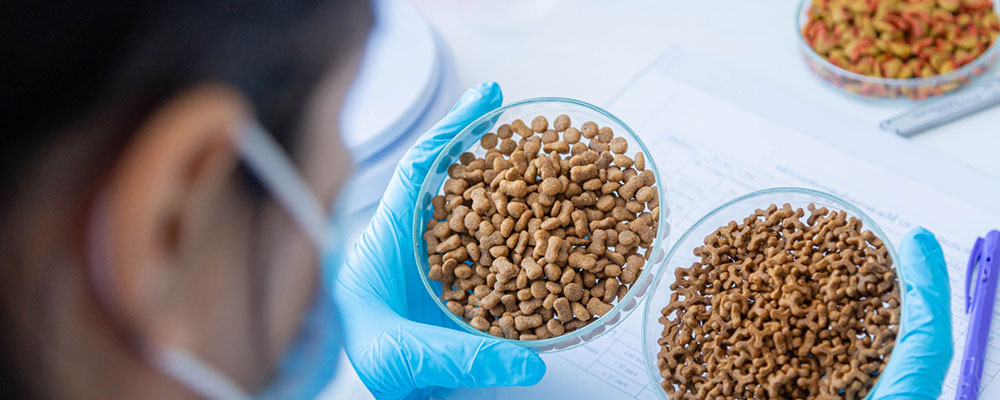
For a feed manufacturer or nutrition team, enzyme adoption should follow a structured development process.
1. Characterise the Feed
Understand protein sources, processing conditions, fibre levels, phytate content and other relevant nutritional characteristics.
2. Define the Nutritional Objective
Determine whether the priority is protein digestibility, feed efficiency, formulation flexibility or another measurable outcome.
3. Select the Appropriate Enzyme
Consider source, activity profile, stability and compatibility with the feed matrix.
4. Establish Application Conditions
Evaluate inclusion level, feed-processing conditions and expected activity through storage and use.
5. Validate the Result
Use appropriate analytical, nutritional and production indicators to compare the enzyme-containing formulation with a defined baseline.
6. Monitor Consistency
Feed ingredients and production conditions vary over time. Ongoing monitoring is therefore necessary to establish whether the enzyme delivers repeatable benefits.
This process helps convert enzyme supplementation from a formulation assumption into a measurable feed-technology programme.
Sustainability and Nutrient Efficiency
Improving nutrient utilisation has implications beyond animal performance.
When nutrients are utilised more efficiently, there is potential to reduce nutrient losses through excretion. Phytase, for example, can improve phosphorus utilisation and potentially reduce phosphorus excretion, while protease technology has been investigated in the context of reducing nitrogen losses.
This does not mean enzyme use automatically delivers a defined environmental benefit. The impact depends on the complete formulation, animal response, ingredient sourcing, enzyme production and farm-management practices.
Nevertheless, enzyme technology fits naturally within the wider industry objective of achieving greater output and nutritional value from available feed resources.
The Future of Enzyme-Based Livestock Nutrition
The development of feed enzymes is moving towards greater specificity, improved stability and more application-focused formulation.
Rather than relying on broad assumptions about enzyme efficacy, feed manufacturers increasingly need solutions that account for diet composition, animal species, processing conditions and desired nutritional outcomes.
Protease technology has an important role within this transition because protein is both nutritionally essential and economically significant. At the same time, its greatest potential may be realised when it is integrated with complementary enzymes targeting phytate and non-starch polysaccharides.
The future of feed-enzyme technology is therefore likely to be less about a single high-activity product and more about precision combinations designed around defined nutritional challenges.
Conclusion
Efficient livestock nutrition depends on how effectively animals can access and utilise the nutrients contained in their feed. Protein is a particularly important consideration because of its role in growth, tissue development and production, as well as its contribution to feed cost. Protease enzymes offer a targeted means of hydrolysing complex dietary proteins into smaller peptides and amino acids, potentially supporting improved protein accessibility and nutrient utilisation.
However, protease technology should not be viewed in isolation. Phytase can address phytate-bound nutrients, while xylanase and beta-glucanase can target non-starch polysaccharides and viscosity-related challenges in suitable diets. The evidence indicates that enzyme responses vary according to animal species, feed composition, processing conditions and enzyme combinations, making application-specific validation essential.
Biolaxi Enzymes supports this broader approach through a feed-enzyme portfolio that includes bacterial and fungal proteases, phytase, xylanase and beta-glucanase. Its published applications focus on addressing specific nutritional and feed-processing challenges rather than treating enzyme supplementation as a single universal solution.
For feed manufacturers, nutritionists and livestock producers, the strategic value of enzyme technology lies in precision: identifying the nutritional limitation, understanding the relevant substrate, selecting the appropriate enzyme activity and validating the outcome under real operating conditions. As the livestock industry continues to seek greater feed efficiency, resource utilisation and consistency, precisely designed enzyme programmes can form an increasingly important part of modern animal-nutrition strategies.