
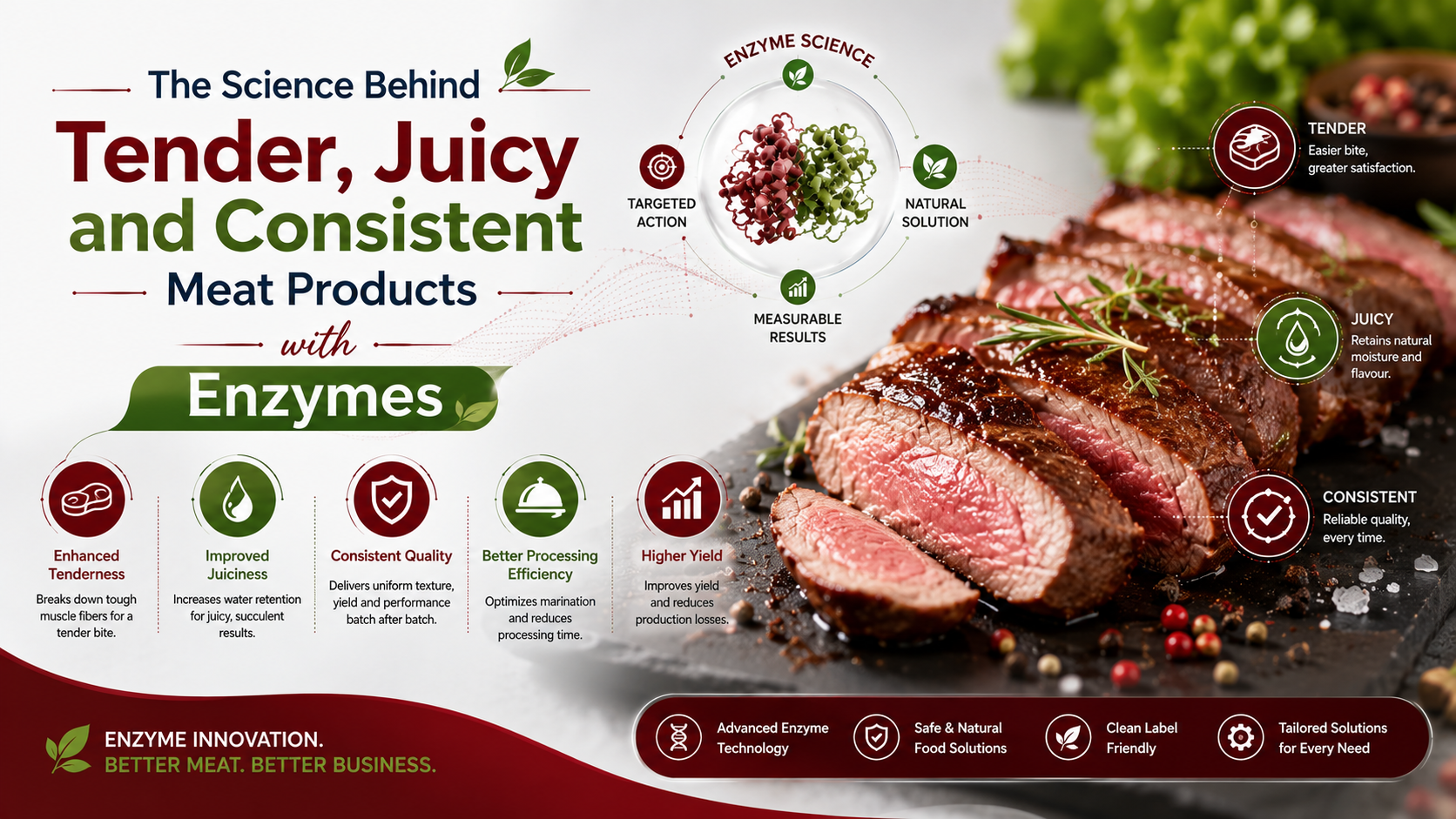
The quality of meat products is judged by more than flavour alone. Consumers expect every bite to be tender, juicy, and consistent, whether they are enjoying fresh cuts, marinated products, sausages, or ready to cook meats. Texture plays a decisive role in overall eating experience, while moisture retention influences both taste and appearance. For meat processors, achieving these qualities consistently across different batches presents an ongoing challenge.
Natural variations in animal age, muscle type, breed, and processing conditions can significantly affect tenderness and yield. Traditional methods such as ageing, mechanical tenderisation, or chemical additives may improve certain characteristics, but they often require additional processing time or fail to deliver uniform results. Enzyme technology offers a precise and efficient approach by modifying meat proteins under controlled conditions, helping processors improve tenderness, retain moisture, and enhance product consistency.
Why Meat Quality Varies Naturally
Every animal is unique, and so is its muscle structure. The composition of connective tissue, collagen, muscle fibres, and proteins varies depending on several factors, including age, diet, genetics, and physical activity. These differences directly influence tenderness and water holding capacity.
Tougher cuts generally contain higher levels of connective tissue and stronger protein structures, making them more resistant to chewing. Moisture loss during cooking further affects texture, often resulting in dry and less appealing products.
For processors handling large production volumes, this natural variability can lead to inconsistent product quality and reduced consumer satisfaction. Standardising tenderness therefore becomes a major objective in modern meat processing.
Understanding the Role of Enzymes in Meat Processing
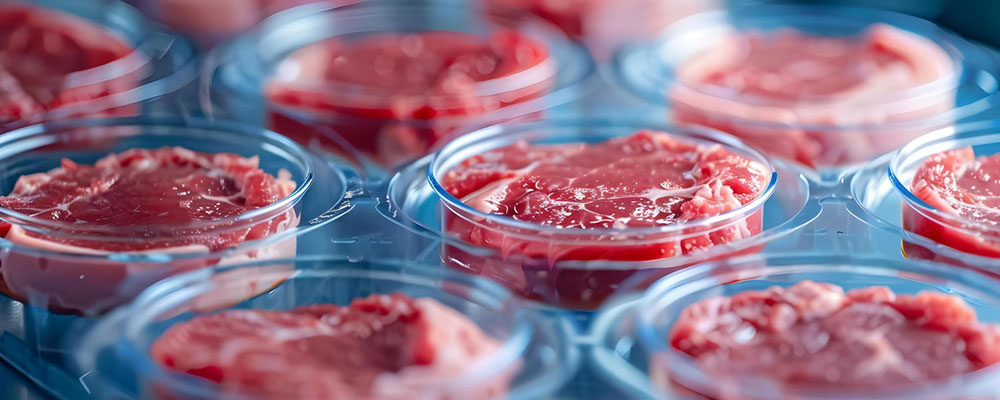
Enzymes are natural biological catalysts that accelerate specific biochemical reactions without becoming part of the finished product. In meat processing, carefully selected proteolytic enzymes break down targeted muscle proteins and connective tissue, making the meat naturally more tender.
Unlike mechanical treatments that physically disrupt muscle fibres, enzymes work at the molecular level. They selectively hydrolyse protein structures responsible for toughness while preserving the overall integrity of the meat.
Common enzyme sources used in meat processing include microbial fermentation as well as plant-derived enzymes such as papain and bromelain. Industrial enzyme formulations are designed to provide controlled activity, allowing processors to achieve consistent results across different meat products.
How Enzymes Improve Tenderness
Tenderness depends largely on the structure of muscle proteins and connective tissues. Enzymatic treatment gently modifies these components, reducing the force required to chew the meat while maintaining its natural appearance.
The process typically involves:
- Breaking down complex muscle proteins into smaller peptides.
- Softening collagen and connective tissue.
- Improving the flexibility of muscle fibres.
- Creating a more uniform texture throughout the product.
Because these reactions occur in a controlled manner, processors can achieve improved tenderness without excessive breakdown that might negatively affect product structure.
The result is meat that remains tender while retaining its natural bite.
Enhancing Juiciness Through Better Moisture Retention
Juiciness is closely linked to the meat’s ability to retain water during storage and cooking. Excessive moisture loss reduces cooking yield and leaves products dry, shrinking both product quality and profitability.
Enzyme technology supports moisture retention by modifying protein functionality. Improved protein interactions enhance water binding within the muscle structure, allowing the meat to retain more natural juices throughout processing and cooking.
This provides several advantages:
- Higher cooking yields.
- Reduced moisture loss during heating.
- Improved mouthfeel.
- Better product appearance.
- Enhanced eating quality.
Consumers notice the difference immediately. Tender meat that retains its natural juices delivers a richer and more satisfying eating experience.
Improving Consistency Across Production Batches
Consistency is essential in commercial meat processing. Restaurants, retailers, and consumers expect every product to deliver the same texture, appearance, and quality regardless of when it was produced.
Natural differences between raw materials often make this difficult. Enzyme technology helps minimise these variations by providing controlled protein modification during processing.
This leads to:
- More uniform tenderness.
- Predictable processing performance.
- Consistent cooking behaviour.
- Improved product standardisation.
- Reduced batch-to-batch variation.
For large-scale operations, greater consistency strengthens both operational efficiency and customer confidence.
Applications Across Meat Products
Enzyme technology supports a wide range of meat processing applications where texture and yield are critical quality parameters.
These include:
- Fresh meat cuts.
- Marinated meat products.
- Cooked and cured meats.
- Sausages and emulsified products.
- Ready to cook and ready to eat meat products.
- Processed poultry products.
Different enzyme formulations can be selected according to the product type, desired texture, and processing conditions, providing flexibility across diverse manufacturing environments.
Supporting Efficient Meat Processing
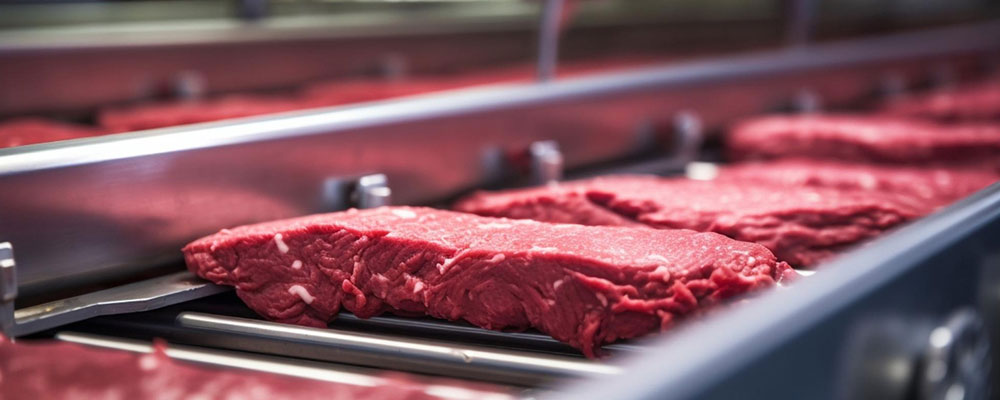
Improved product quality is only one advantage of enzyme technology. Processing efficiency also benefits significantly.
By enhancing protein functionality and improving tenderness naturally, enzymes reduce the need for extended ageing periods or aggressive mechanical tenderisation. Better moisture retention also improves production yield by reducing cooking losses.
Additional operational benefits include:
- Improved product yield.
- Reduced raw material losses.
- Greater process control.
- Higher production efficiency.
- Better utilisation of lower value cuts.
These improvements help processors maximise the value of every kilogram of meat entering production.
A Sustainable Approach to Meat Processing
The meat industry continues to seek solutions that improve efficiency while reducing waste. Enzyme technology supports these goals through better resource utilisation and improved processing performance.
Higher cooking yields mean less product loss. Improved tenderness allows processors to utilise a wider range of meat cuts effectively, increasing overall raw material efficiency. Because enzymes work under relatively mild processing conditions, they also reduce reliance on intensive physical treatments.
Together, these advantages contribute to more sustainable meat production while maintaining premium product quality.
The Future of Enzymes in Meat Innovation
Advances in biotechnology continue to expand the role of enzymes within meat processing. Researchers are developing highly specific enzyme formulations that provide greater control over tenderness, texture, and moisture retention while preserving product integrity.
Future innovations may also support cleaner ingredient declarations, customised texture development, and improved processing efficiency for emerging meat products. As consumer expectations continue to evolve, enzyme technology will remain an important tool for delivering consistent quality at industrial scale.
Conclusion
Producing tender, juicy, and consistent meat products requires precise control over protein structure and moisture retention throughout processing. Enzyme technology provides an effective solution by gently modifying muscle proteins and connective tissue, improving tenderness, enhancing water holding capacity, and reducing natural variability between batches. These benefits help processors achieve superior product quality while increasing operational efficiency and production consistency.
At Biolaxi Enzymes Pvt. Ltd., we develop advanced enzyme solutions designed to support modern meat processing through scientifically engineered formulations tailored to diverse production requirements. By combining technical expertise with innovative enzyme technology, our solutions help improve tenderness, maximise yield, optimise processing performance, and deliver consistently high-quality meat products.