
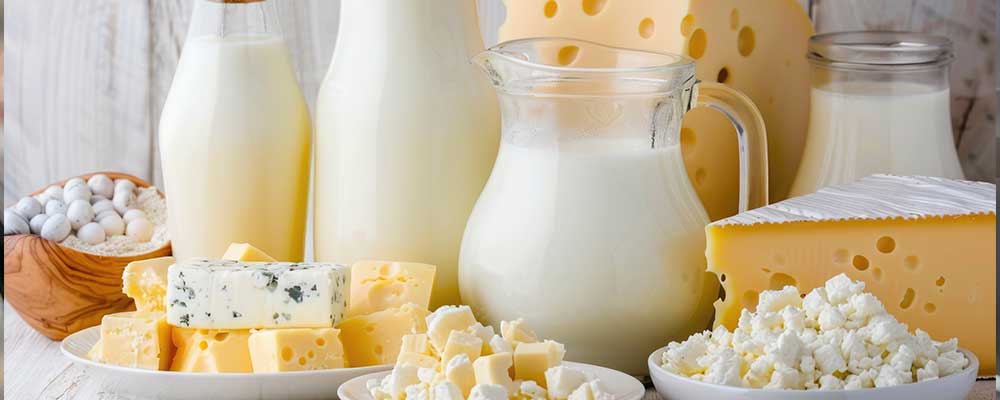
Dairy fermentation remains a cornerstone of modern food processing, enabling the transformation of milk into a diverse range of products such as yoghurt, cheese and cultured beverages. While the fundamentals of fermentation are rooted in microbial activity, the increasing demand for consistency, efficiency and product innovation has led to the integration of enzyme technology into dairy processes.
In large scale operations, relying solely on microbial fermentation often introduces variability due to fluctuations in raw milk composition, culture performance and processing conditions. Advanced enzyme systems provide a structured and controlled approach to managing these variables, enabling dairy processors to achieve greater precision in fermentation and improved product outcomes.
The Evolving Complexity of Dairy Fermentation
Modern dairy processing is significantly more complex than traditional methods. Product portfolios have expanded to include high protein yoghurt, lactose free milk, functional dairy beverages and a wide variety of cheese types. Each of these products requires specific processing conditions and precise biochemical control.
Key challenges in dairy fermentation include:
- Variability in milk composition affecting protein and lactose content
- Inconsistent fermentation behaviour across batches
- Difficulty in achieving uniform texture and structure
- Balancing flavour development with product stability
Without targeted intervention, these factors can lead to inconsistencies in quality, increased wastage and reduced process efficiency.
Role of Enzymes in Modern Dairy Processing
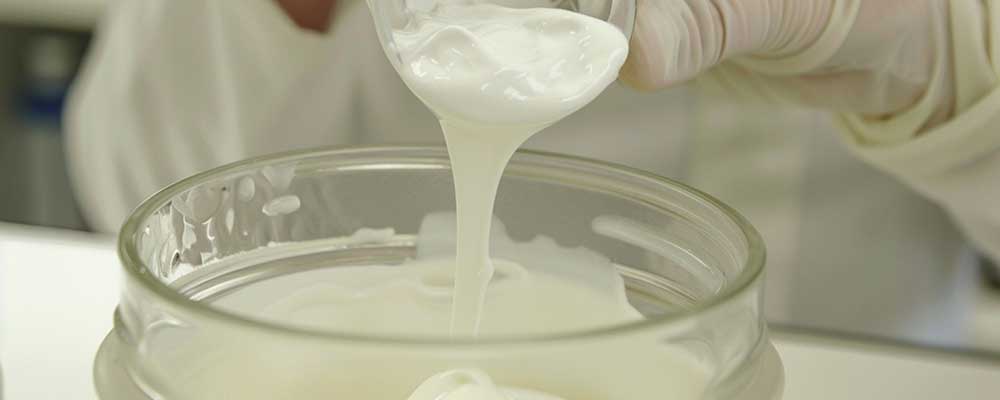
Enzymes act as biological catalysts that enable specific biochemical reactions within dairy systems. Unlike chemical additives, enzymes operate with high specificity, targeting particular substrates such as lactose, proteins or fats without affecting the overall composition of the product.
In dairy fermentation, enzymes support multiple stages of processing:
- Breaking down complex milk components into simpler forms
- Enhancing the efficiency of microbial fermentation
- Modifying protein and fat structures to improve functionality
- Supporting controlled flavour and texture development
This multi functional role makes enzymes an essential component in achieving both process control and product consistency.
Key Enzymes Driving Dairy Fermentation Efficiency
Advancements in enzyme technology have enabled the use of specialised enzymes tailored for specific dairy applications. Each enzyme contributes uniquely to fermentation performance and final product characteristics.
- Lactase and Controlled Sugar Conversion
Lactase plays a central role in hydrolysing lactose into glucose and galactose, making sugars more accessible for fermentation. This not only supports consistent acid development but also enables the production of lactose reduced and lactose free dairy products. Improved sugar availability enhances fermentation efficiency and reduces variability in product outcomes. - Proteases and Protein Functionality
Proteases are critical for modifying milk proteins, particularly casein. In cheese production, they support coagulation and curd formation, while in fermented products they influence texture and stability. Controlled proteolysis ensures proper gel formation, improves digestibility and contributes to flavour development over time. - Lipases and Flavour Development
Lipases catalyse the breakdown of milk fats into free fatty acids, which are essential for developing characteristic flavours in certain dairy products. Their controlled application allows producers to fine tune flavour intensity without compromising product stability. - Transglutaminase and Texture Enhancement
Transglutaminase improves the structural integrity of dairy products by forming cross links between proteins. This results in stronger gel networks, improved viscosity and better water retention. It is particularly valuable in low fat and high protein formulations where maintaining texture is challenging. - Amylases in Specialised Dairy Applications
Although not traditionally associated with dairy, amylases are used in specific applications such as flavoured yoghurt and dairy desserts. By converting residual starch into fermentable sugars, they support enhanced sweetness and improved fermentation dynamics.
Improving Texture and Structural Stability
Texture is a defining quality parameter in dairy products. Whether it is the creaminess of yoghurt or the firmness of cheese, structural stability depends on precise protein interactions during processing.
Enzymes enhance texture by modifying protein behaviour at the molecular level. This results in:
- Stronger and more uniform gel formation
- Improved water holding capacity
- Reduced whey separation during storage
- Enhanced mouthfeel and product consistency
These improvements are especially critical in modern formulations where fat reduction or protein enrichment can disrupt natural structure.
Enhancing Flavour Development Through Controlled Reactions
Flavour in dairy products is the result of complex biochemical reactions involving proteins, fats and microbial activity. Uncontrolled breakdown of these components can lead to off flavours or inconsistent taste profiles.
Enzymes enable precise control over these reactions by regulating the breakdown of proteins and fats. This allows producers to achieve:
- Balanced flavour development across batches
- Customisation of flavour intensity in cheese and cultured products
- Reduction of undesirable taste variations
- Consistent sensory quality throughout shelf life
Controlled enzymatic action ensures that flavour development aligns with product specifications.
Improving Digestibility and Nutritional Value
Consumer demand for easily digestible and nutritionally enhanced dairy products continues to grow. Enzymes contribute significantly to this aspect by breaking down complex molecules into more absorbable forms.
Key benefits include:
- Improved lactose digestion through enzymatic hydrolysis
- Enhanced protein digestibility via peptide formation
- Increased availability of nutrients for absorption
- Development of bioactive compounds with functional benefits
These improvements make enzyme treated dairy products suitable for a broader consumer base, including those with dietary sensitivities.
Supporting Consistency in Large Scale Production
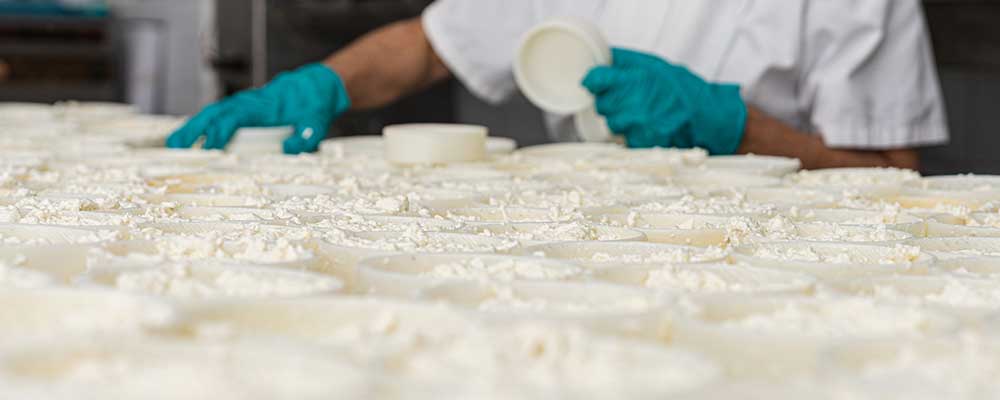
One of the primary advantages of enzyme technology is its ability to reduce variability in dairy processing. By standardising key biochemical reactions, enzymes act as a control mechanism within the system.
This leads to:
- Consistent fermentation performance across batches
- Reduced product rejection rates
- Improved alignment with quality standards
- Greater predictability in production outcomes
For industrial operations, this level of consistency is essential for maintaining efficiency and brand reliability.
Driving Sustainability in Dairy Processing
Sustainability has become a major focus in dairy production, with increasing emphasis on reducing waste, energy consumption and resource utilisation. Enzymes contribute to these goals by optimising process efficiency and improving raw material utilisation.
Their impact includes:
- Reduction in processing time and energy usage
- Improved yield through better utilisation of milk components
- Conversion of by products such as whey into valuable ingredients
- Decreased reliance on chemical additives
By enabling more efficient and resource conscious processing, enzymes support sustainable dairy manufacturing practices.
Adapting to Evolving Dairy Market Demands
The dairy market is continuously evolving, driven by changing consumer preferences and dietary trends. High protein products, lactose free options and functional dairy beverages are becoming increasingly popular.
Enzyme technology provides the flexibility needed to meet these demands. By enabling precise control over processing parameters, enzymes allow producers to develop innovative products without compromising quality.
This adaptability supports:
- Rapid product development and diversification
- Customisation for regional and demographic preferences
- Integration of functional ingredients
- Maintenance of consistency across new formulations
Such flexibility is critical for staying competitive in a dynamic market.
Conclusion
Dairy fermentation is a complex process influenced by multiple biochemical and operational variables. Achieving consistency, quality and efficiency requires precise control over reactions involving lactose, proteins and fats. Advanced enzyme technology provides a targeted solution by enabling controlled transformation of these components, resulting in improved texture, flavour, digestibility and process stability.
Biolaxi Enzymes has been supporting dairy processing with specialised enzyme solutions designed to enhance fermentation performance and product quality. By integrating advanced enzymatic systems, dairy processors can achieve greater control over their operations, reduce variability and deliver consistent, high quality products aligned with modern market expectations.