
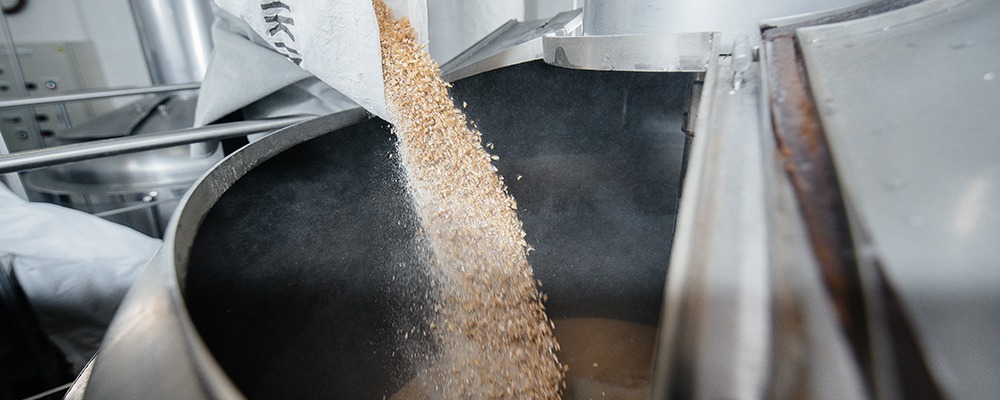
The global demand for bioethanol and other fermentation-based products has surged significantly over the past few decades, bringing with it a growing need for efficiency, consistency, and sustainability in production. At the heart of this transformation lies the process of liquefaction, a critical stage where starch-rich raw materials such as corn, wheat, or sorghum are broken down into simpler sugars that can be fermented into alcohol or other valuable products. What was once a process dependent on high temperatures and chemical additives has today evolved into a precision-driven operation, guided by the power of enzymes.
Understanding Liquefaction in Modern Contexts
Liquefaction is essentially the process of converting complex starch granules into dextrins or smaller carbohydrate units. Traditionally, this was achieved through high-heat treatment and the use of acid catalysts. However, these conventional methods were energy-intensive, less specific, and often detrimental to the quality of the final product. In contrast, enzymatic liquefaction offers a highly targeted, controlled, and eco-friendly approach that aligns perfectly with modern manufacturing principles focused on efficiency and sustainability.
The introduction of thermostable alpha-amylases has revolutionised the way liquefaction is carried out. These enzymes work by cleaving internal α-1,4-glycosidic bonds within starch molecules, producing shorter polysaccharide chains without the excessive use of heat or harsh chemicals. The result is a smoother, faster process that requires less energy and ensures better yield conversion during subsequent saccharification and fermentation stages.
The Shift from Conventional to Enzymatic Liquefaction
In earlier times, industries relied heavily on mechanical and chemical methods to achieve liquefaction. The use of acids, for example, helped hydrolyse starches but often led to incomplete conversion, equipment corrosion, and inconsistent results. Enzymes, however, offer a more sustainable and scientifically refined alternative.
Enzymatic liquefaction operates under optimised pH and temperature conditions that allow for maximal enzyme activity and minimal substrate loss. The precision of enzyme-based catalysis ensures that every molecule of starch is effectively converted into dextrins, reducing the burden on downstream processes and improving overall efficiency. Furthermore, enzymatic liquefaction eliminates the need for pH neutralisation steps and reduces the formation of undesirable by-products.
Enzymatic Precision: A Cornerstone of Modern Liquefaction
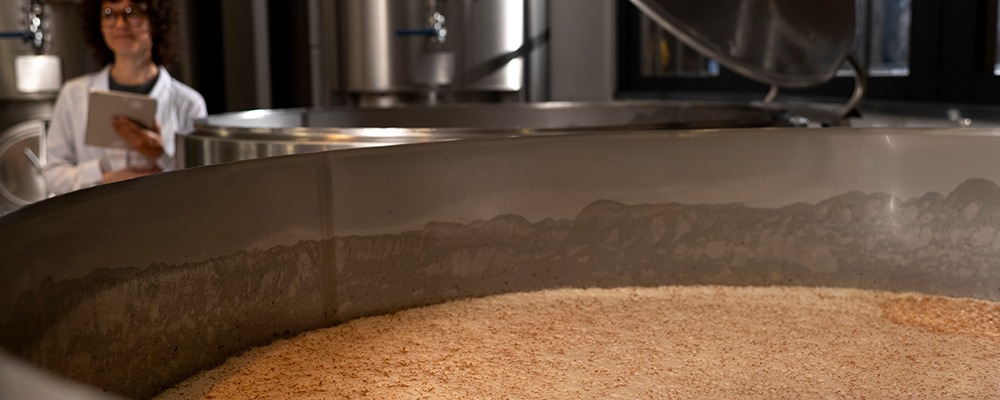
The real strength of modern liquefaction lies in the precision offered by enzymes. Enzymes act with remarkable specificity, targeting particular bonds within the starch molecule and converting them with minimal wastage. This precision allows industries to design liquefaction processes that are not only energy-efficient but also adaptable to different raw materials and production scales.
Advanced enzyme formulations can now be tailored to handle diverse feedstocks, each with unique starch structures and compositions. For instance, liquefying corn starch requires different enzymatic characteristics compared to liquefying cassava or wheat. Through careful enzyme selection and process optimisation, industries can ensure consistent dextrinisation and uniform viscositytwo critical parameters that directly impact fermentation quality.
Modern enzymes are also designed to withstand high temperatures, allowing liquefaction to occur at elevated conditions that naturally suppress microbial contamination. This thermotolerance not only enhances process hygiene but also allows for faster throughput without compromising enzymatic activity.
Enhancing Efficiency and Yield
The precision of enzymatic liquefaction extends beyond energy savings; it directly contributes to higher yield and better product quality. By enabling more complete starch breakdown, enzymes make a larger fraction of glucose available for fermentation. This leads to increased ethanol output, reduced residual starch in the mash, and greater consistency in product composition.
In addition, the controlled nature of enzymatic liquefaction ensures smoother viscosity management. Excessive viscosity is a common challenge in conventional liquefaction, often resulting in inefficient mixing and uneven heat transfer. Enzymes help maintain optimal viscosity levels throughout the process, facilitating better flow dynamics and reducing the mechanical load on equipment.
The environmental advantages are equally significant. Enzymatic liquefaction drastically reduces water and energy usage, eliminates chemical waste, and supports a cleaner, greener production cycle. For industries aiming to meet stringent sustainability standards, enzyme-driven liquefaction represents a critical step towards responsible manufacturing.
The Role of Technology and R&D in Modern Liquefaction
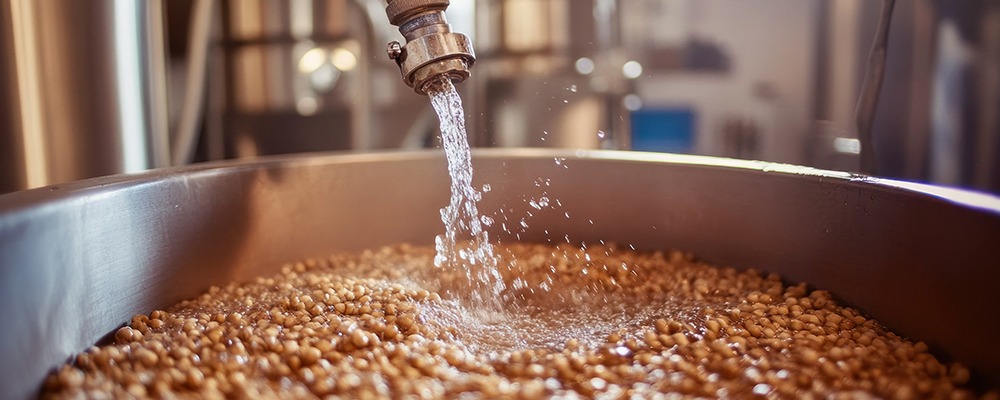
Technological advancements have played a key role in refining enzymatic liquefaction. Today’s enzyme formulations are products of deep scientific research, incorporating insights from biochemistry, molecular engineering, and industrial process design. Through recombinant DNA technology, specific enzymes can be engineered for improved thermostability, pH tolerance, and reaction kinetics.
At the same time, real-time monitoring systems have made it possible to track parameters such as temperature, pH, and viscosity with greater accuracy. This integration of process automation with enzymatic technology allows manufacturers to fine-tune their operations dynamically, ensuring consistent quality across batches.
Collaborative research between enzyme manufacturers and bioethanol producers has also driven the development of customised enzyme complexes, formulations designed to suit specific plant configurations, feedstocks, and production goals. These collaborative innovations have elevated liquefaction from a routine step in production to a highly optimised, data-driven process that contributes directly to profitability and sustainability.
Sustainability and the Future of Liquefaction
Sustainability is now an indispensable part of industrial decision-making. As the world continues its shift towards renewable energy and circular economy principles, enzymatic liquefaction stands out as a cornerstone of eco-efficient production. The process aligns seamlessly with environmental objectives by lowering carbon footprints, minimising waste, and reducing dependency on synthetic chemicals.
Moreover, enzymes being biodegradable, pose no threat to ecosystems, unlike many chemical catalysts. The combination of sustainability and process precision positions enzymatic liquefaction as a future-ready technology capable of addressing both economic and environmental demands. As industries increasingly prioritise green chemistry and cleaner manufacturing, the role of enzyme-driven liquefaction will only continue to expand.
Conclusion: Enzymatic Liquefaction as the Future of Efficiency
The journey from traditional liquefaction methods to modern enzymatic precision marks one of the most significant transformations in industrial bioprocessing. By combining science, sustainability, and efficiency, enzymatic liquefaction has enabled industries to achieve remarkable control over their production processes. It ensures consistent results, superior yields, and a significantly reduced environmental footprint, thereby setting new benchmarks for industrial performance.
Biolaxi Enzymes Pvt Ltd stands at the forefront of this revolution, offering enzyme formulations that redefine modern liquefaction practices. With a focus on quality, innovation, and eco-safety, Biolaxi provides customised enzyme solutions that empower industries to enhance productivity and sustainability simultaneously. Through scientific expertise and unwavering commitment to excellence, Biolaxi continues to support manufacturers in achieving liquefaction precision that drives both profitability and progress.