
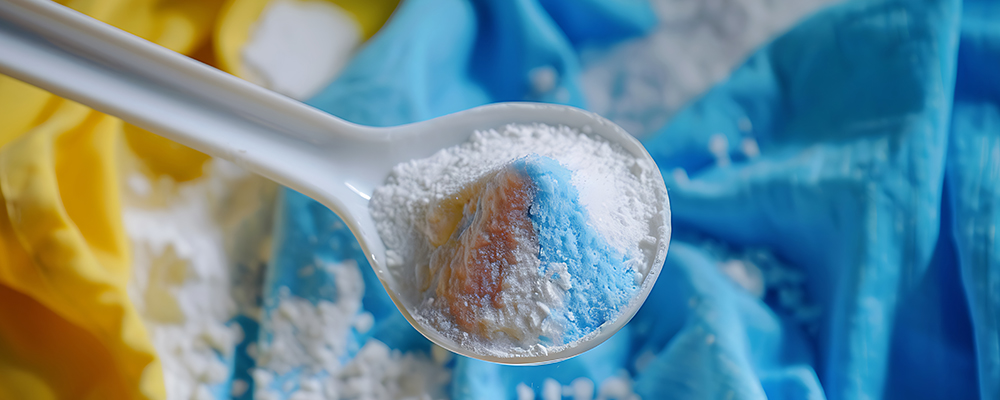
Laundry practices are gradually shifting towards lower washing temperatures as households and commercial facilities seek to reduce energy consumption. Cold water washing helps save electricity and supports more environmentally responsible cleaning routines. However, detergents formulated for cold water conditions often face challenges in maintaining strong stain removal performance.
Many traditional cleaning agents rely on heat to activate chemical reactions that break down stains. When washing temperatures drop, these reactions slow down, making it harder for detergents to remove stubborn residues such as food stains, oils and proteins. Enzyme technology provides an effective solution by enabling powerful stain breakdown even in cold water washing conditions.
Challenges of Cleaning at Lower Temperatures

Cold water washing can reduce the effectiveness of some detergent ingredients. Certain stains require chemical reactions that occur more slowly at lower temperatures. As a result, stains may remain partially intact or require longer washing cycles to be removed.
Common challenges associated with cold water washing include:
- Reduced breakdown of protein based stains
- Slower removal of greasy residues
- Limited degradation of starch based food stains
- Increased risk of stain redeposition on fabrics
Addressing these issues requires a cleaning approach that remains active even at moderate temperatures.
How Enzymes Improve Stain Breakdown
Enzymes act as biological catalysts that accelerate the breakdown of complex organic substances. In detergent formulations, they target the key components of everyday stains and convert them into smaller, water soluble molecules that can be rinsed away easily.
Different enzyme types address specific stain categories:
- Proteases break down protein based stains such as sweat, blood and dairy residues
- Amylases degrade starch based stains from sauces, grains and processed foods
- Lipases help break down oily and greasy residues that cling to fabrics
These reactions occur efficiently even at lower temperatures, making enzymes highly valuable for cold water detergent formulations.
Enhancing Cleaning Efficiency in Cold Water
One of the main advantages of enzyme technology is its ability to remain active under moderate washing conditions. Enzymes can initiate stain degradation early in the washing cycle, even before mechanical agitation fully removes the stain.
By breaking down complex stain molecules into smaller fragments, enzymes make it easier for surfactants and water to remove the remaining residues. This combined action improves cleaning performance without requiring high heat.
As a result, cold water detergents can achieve stain removal levels comparable to warm water washing.
Improving Fabric Care During Washing

Lower temperature washing not only saves energy but also helps protect delicate fabrics and maintain garment colour. However, insufficient stain removal can discourage consumers from using cold wash settings.
Enzyme based detergents help address this concern by ensuring effective cleaning while maintaining gentle treatment of fabrics. Because enzymatic reactions specifically target stain components rather than fabric fibres, garments experience less stress during washing.
This selective action helps maintain fabric strength, colour brightness and softness over repeated wash cycles.
Supporting Energy Efficient Laundry Practices
Energy consumption in laundry processes is largely driven by water heating. Encouraging cold water washing can significantly reduce overall energy usage.
Enzyme technology supports this shift by ensuring that detergents remain highly effective at lower temperatures. When stains can be removed without heat dependent chemical reactions, washing machines can operate efficiently using cold water.
This contributes to energy savings while maintaining reliable cleaning performance.
Adapting to Modern Laundry Habits
Modern consumers often wash clothes more frequently and prefer shorter wash cycles. Detergent formulations must therefore deliver fast and efficient stain removal under a variety of washing conditions.
Enzyme based systems offer the flexibility required to perform in these environments. Their ability to target different stain components ensures that detergents can handle mixed stain loads while maintaining effectiveness in cold water.
This adaptability makes enzyme technology a key component in the development of advanced cleaning solutions.
Conclusion
Cold water washing offers clear benefits in terms of energy savings and fabric care, but it can also present challenges for effective stain removal. Enzyme technology addresses these challenges by accelerating the breakdown of organic stains even at lower temperatures. Through targeted enzymatic action, detergents can maintain strong cleaning performance without relying on high heat.
Biolaxi Enzymes has been supporting advanced detergent formulations through specialised enzyme technologies that enhance stain breakdown and improve cleaning efficiency in cold water washing. By integrating enzyme based solutions, detergent formulations can achieve reliable cleaning results while supporting more energy efficient laundry practices.