
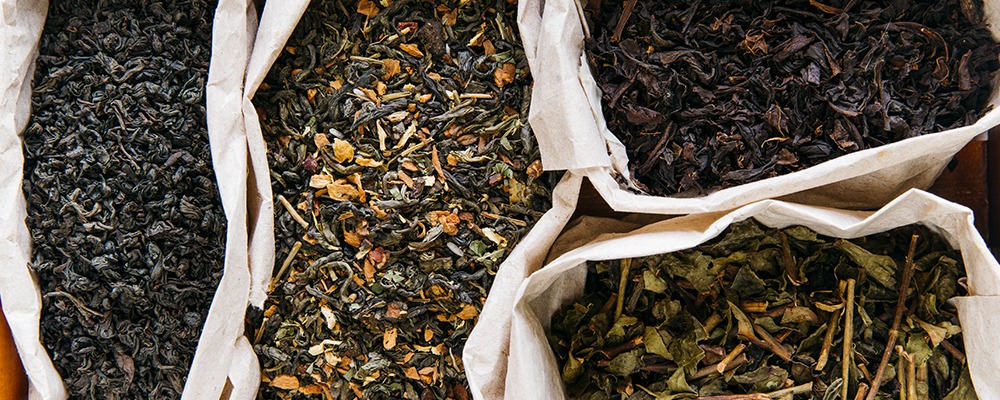
Tea is one of the most widely consumed beverages in the world, cherished for its distinctive colour, flavour, and aroma. Behind every cup lies a careful process of plucking, withering, rolling, fermenting, drying, and sorting. Each stage influences the final product and determines the quality that reaches consumers. Traditionally, tea processing has been largely dependent on natural enzymatic activity inherent in tea leaves. However, advances in industrial biotechnology have enabled the introduction of targeted enzyme applications that improve the consistency and quality of tea. Among their many roles, enzymes are increasingly valued for their ability to enhance colour and aroma, two critical parameters that define the sensory appeal of tea.
This blog explores how enzymes work at the biochemical level in tea processing, their role in unlocking colour and aroma, and how the tea industry can benefit from adopting enzyme-based interventions.
The Science of Tea Colour and Aroma
The colour and aroma of tea develop primarily during the fermentation or oxidation stage. Freshly plucked tea leaves contain a wide range of compounds, most importantly polyphenols such as catechins. When the leaves are rolled and exposed to oxygen, natural enzymes such as polyphenol oxidase and peroxidase trigger reactions that transform these compounds into theaflavins and thearubigins. These two groups of compounds are central to tea quality.
- Theaflavins contribute to the bright golden or reddish hues in tea liquor and give a brisk, lively taste.
- Thearubigins provide depth of colour, richness, and a more full-bodied flavour.
At the same time, the breakdown of proteins, carbohydrates, and lipids leads to the release of volatile compounds responsible for tea aroma. Molecules such as linalool, geraniol, and methyl salicylate are formed, which create floral, fruity, or fresh notes depending on their concentrations. The interplay of colour and aroma creates the overall sensory profile that consumers associate with high-quality tea.
While these processes occur naturally, they are influenced by numerous factors such as leaf maturity, climate, and handling methods. This variability often results in inconsistencies in the final product. Controlled use of external enzymes can help minimise these inconsistencies and create a more reliable process for achieving desirable colour and aroma.
The Role of Enzymes in Enhancing Colour
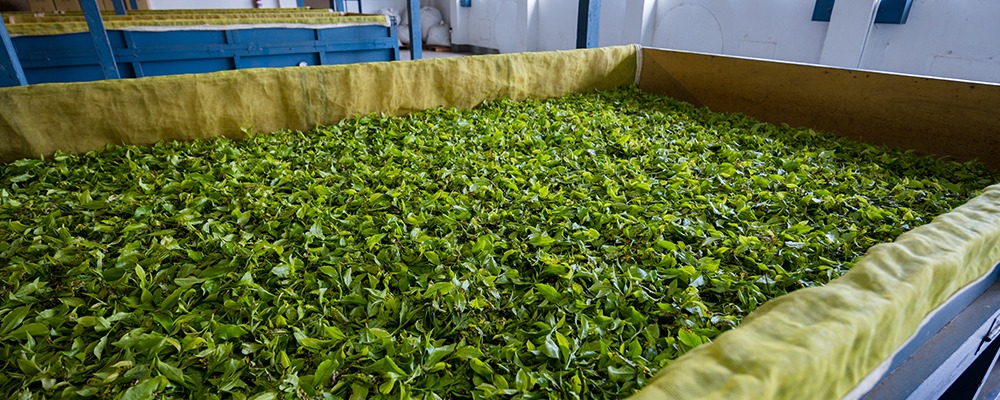
In tea processing, enzymes can act as biological catalysts to accelerate or regulate chemical changes that influence colour. When applied in carefully measured quantities, they ensure that oxidation occurs at an optimal pace, leading to the consistent formation of theaflavins and thearubigins.
- Polyphenol Oxidases: These enzymes play a direct role in the conversion of catechins to coloured pigments. Supplementing with controlled enzyme preparations can standardise this conversion process, ensuring uniform colour across batches.
- Cell Wall-Degrading Enzymes: Pectinases, cellulases, and hemicellulases break down structural components of tea leaves, improving the release of polyphenols. This leads to more efficient oxidation and more vibrant colour development.
Enzyme-assisted processing not only ensures a brighter and more attractive liquor but also allows tea producers to reduce variations caused by natural leaf quality. By managing the enzymatic reactions more precisely, processors can create teas that consistently meet consumer expectations for colour.
The Role of Enzymes in Unlocking Aroma
Aroma is one of the most defining attributes of tea. The delicate bouquet of floral, fruity, or earthy notes depends on the release and transformation of volatile compounds during processing. Enzymes enhance this aspect of tea in several ways.
- Glycosidases: Many aroma compounds in tea are bound to sugar molecules in inactive forms. Glycosidases cleave these bonds, liberating the aromatic compounds in their active state, thereby intensifying the fragrance of the final brew.
- Lipases: By breaking down fats into free fatty acids, lipases promote the formation of volatile aldehydes and alcohols that add to the tea’s aroma.
- Proteases: These enzymes break down proteins into amino acids, which can then undergo further reactions to produce aroma precursors, particularly during fermentation.
The combined action of these enzymes results in a richer and more layered aroma profile. For instance, the application of glycosidases can enhance floral notes such as linalool and geraniol, while lipases can intensify fruity aromas. The ability to influence aroma development in such a controlled way gives tea manufacturers a powerful tool to craft teas with distinct sensory signatures.
Consistency and Efficiency in Tea Manufacturing
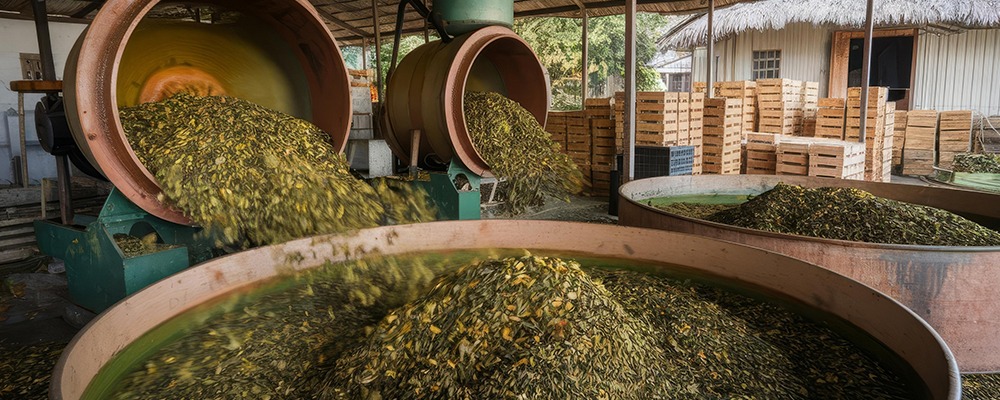
In addition to enhancing colour and aroma, enzyme-based processing also improves efficiency and sustainability in tea manufacturing. Enzymes help break down plant cell walls, enabling easier release of valuable compounds. This can shorten fermentation time, reduce energy consumption, and lower processing costs.
Moreover, enzymes allow manufacturers to achieve consistency even when raw materials vary due to seasonal or regional differences. In a global market where consumers expect reliable quality, such consistency is a significant advantage.
Another benefit is that enzymes operate under mild conditions without the need for harsh chemicals. This not only preserves the natural characteristics of tea but also aligns with the growing consumer demand for sustainable and eco-friendly production methods.
Innovation and the Future of Tea Processing
The tea industry is at an interesting crossroads, balancing traditional craftsmanship with modern innovation. While artisanal methods continue to be celebrated, large-scale production increasingly relies on technology to maintain quality and meet demand. Enzymes bridge this gap by supporting natural processes while offering greater control and predictability.
Research continues to expand the scope of enzyme applications in tea. For example, advanced enzyme complexes are being developed to target specific pathways of aroma formation or colour stabilisation. There is also growing interest in immobilised enzymes, which provide stability, reusability, and better control in industrial-scale operations. Such developments could further refine the ability to produce teas with unique and consistent qualities.
Looking ahead, enzyme-based solutions could also play a role in diversifying the tea market. By tailoring colour and aroma profiles, manufacturers may be able to create new product categories or develop teas that appeal to different consumer segments across regions.
Conclusion
The art of tea processing lies in capturing the perfect balance of colour, flavour, and aroma. While traditional methods rely on the natural enzymatic activity within tea leaves, the controlled use of external enzymes has opened new possibilities for enhancing these qualities. By accelerating oxidation, breaking down cell walls, and unlocking aroma precursors, enzymes make it possible to create teas that are brighter, more aromatic, and more consistent in quality. Their role goes beyond aesthetics, contributing to efficiency, cost reduction, and sustainability in the manufacturing process.
At Biolaxi Enzymes, we understand the significance of colour and aroma in shaping consumer experiences. With more than a decade of expertise in formulating customised enzyme solutions, we provide tea processors with scientifically engineered products that deliver reliability, efficiency, and superior results. Whether it is unlocking a vibrant liquor or intensifying aromatic notes, Biolaxi’s enzyme formulations are crafted to help manufacturers achieve excellence in every brew.