
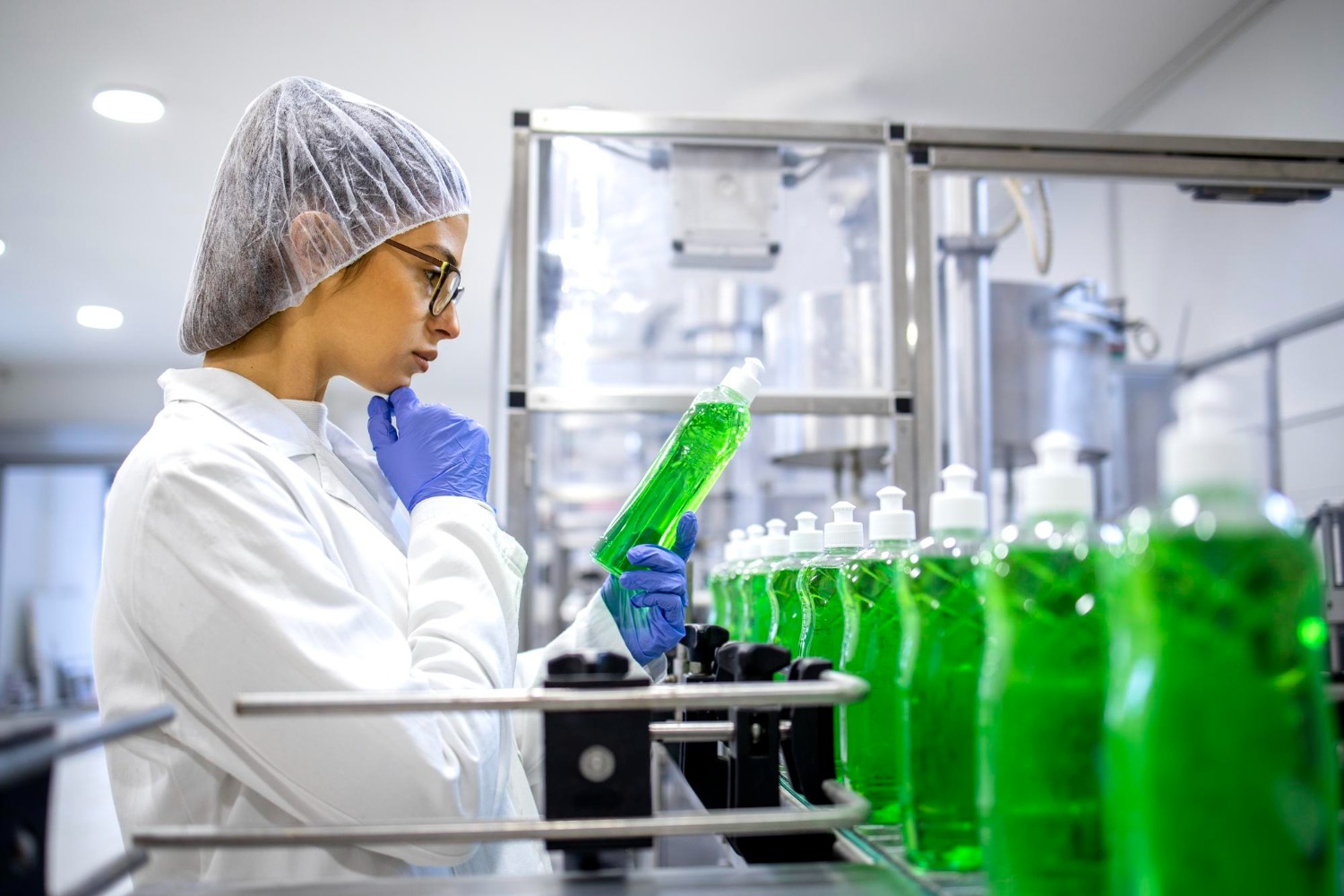
The detergent industry has undergone a significant transformation over the past few decades, driven by the increasing demand for sustainable, efficient, and environmentally friendly cleaning solutions. Among the innovations leading this shift, enzymes have emerged as essential ingredients that enhance cleaning performance while reducing energy consumption and minimizing environmental impact. By enabling effective stain removal even at lower temperatures, enzymes play a critical role in both household and industrial detergent formulations.
What Problems Does the Industry Face, and How Do Enzymes Help?
The detergent industry faces a number of technical and environmental challenges. Traditional detergents often rely on high temperatures and strong chemical agents to remove tough stains, resulting in excessive energy use and potential damage to fabric quality. Furthermore, the widespread use of phosphates and synthetic additives has raised concerns about water pollution and aquatic toxicity. As consumer expectations shift toward milder, skin-friendly, and eco-conscious products, manufacturers are also under pressure to develop solutions that are both effective and sustainable.
Enzymes provide a highly efficient answer to these issues. As biological catalysts, they specifically target and degrade stain components such as proteins, fats, and carbohydrates without the need for harsh chemicals or high heat. This selective action allows for thorough cleaning at lower temperatures, significantly reducing energy consumption. Additionally, enzymes help preserve fabric integrity and are biodegradable, making them safer for the environment. Their efficiency also shortens wash cycles and lowers water usage, contributing to more cost-effective and sustainable detergent solutions.
Types of Enzymes Used in Detergents
Detergents incorporate a blend of enzymes, each chosen for its ability to catalyze the breakdown of specific stain components. Below are the primary enzyme types used in detergent formulations, along with their technical characteristics:
- Proteases
Proteases catalyze the hydrolysis of peptide bonds in protein molecules. These enzymes are particularly effective against protein-based stains such as blood, sweat, grass, dairy, and egg. Derived commonly from Bacillus strains (e.g., Bacillus subtilis or Bacillus licheniformis), proteases operate optimally in alkaline pH ranges typically found in detergent systems. They are thermostable and retain activity across a wide temperature spectrum, enabling performance in both cold and hot wash conditions.
- Amylases
Amylases hydrolyze α-1,4-glycosidic bonds in starch molecules, breaking them down into soluble sugars. They are effective on starch-rich residues like those from pasta, potatoes, or rice. Derived from microbial sources such as Bacillus amyloliquefaciens, detergent-grade amylases are engineered to resist degradation by other enzymes and maintain stability in alkaline and surfactant-rich environments.
- Lipases
Lipases catalyze the hydrolysis of triglycerides into glycerol and free fatty acids. These enzymes are critical for the breakdown of grease and oil-based stains from butter, sauces, cosmetics, and body oils. Sourced from microbes like Pseudomonas and Thermomyces lanuginosus, detergent-compatible lipases are engineered for performance in a broad pH range and show high resistance to proteolytic degradation.
- Cellulases
Cellulases break down β-1,4-glycosidic bonds in cellulose, targeting microfibrils that accumulate on cotton fabrics. While not directly targeting stains, cellulases enhance fabric appearance by removing dulling particles, reducing pilling, and improving softness and color brightness. These enzymes are produced from fungal strains such as Trichoderma reesei and are used in low concentrations due to their delicate yet effective action on fabric surfaces.
- Mannanases
Mannanases degrade β-1,4-mannosidic bonds found in hemicellulose gums like guar gum and locust bean gum, common thickeners in processed foods. Derived from organisms like Aspergillus niger, they help break down sticky food residues that conventional surfactants cannot remove efficiently. These enzymes remain stable in liquid detergents and alkaline formulations.
- Pectinases
Pectinases catalyze the breakdown of pectin, a polysaccharide found in fruit-based stains such as jams and juices. Sourced from microbial species like Aspergillus awamori, detergent-grade pectinases complement amylases and cellulases in handling complex carbohydrate-based residues.
- Peroxidases and Laccases
These oxidative enzymes are used for breaking down colored compounds and assisting in stain decolorization and whitening. Laccases catalyze the oxidation of phenolic substrates using molecular oxygen, while peroxidases use hydrogen peroxide as an oxidant. Though less commonly used than hydrolytic enzymes, they are gaining attention for their potential in eco-friendly bleaching and fabric brightening applications.
Application of Enzymes in the Detergent Industry
Enzymes are integrated into various detergent products to enhance cleaning performance, fabric care, and efficiency. Their working process involves the targeted breakdown of stain components into water-soluble or easily washable fragments, reducing the need for abrasive or harsh chemical actions.
- Laundry Detergents
In household laundry, enzymes are included in both powder and liquid formulations. During the wash cycle, enzymes like proteases and amylases attach to the stain molecules and catalyze their decomposition into smaller, water-soluble fragments. This allows surfactants to lift the residue off fabrics more effectively. Enzyme-based detergents are especially effective in cold wash cycles (20–30°C), reducing energy use without compromising cleanliness. Cellulases further contribute by gently polishing cotton fibers, maintaining garment brightness and softness over multiple washes.
- Automatic Dishwashing Detergents
Enzymes are crucial in automatic dishwashers for decomposing food residues that remain after cooking. Proteases break down protein films (e.g., from meat or dairy), while amylases degrade starchy deposits. The resulting smaller molecules are easily rinsed away, leaving no residue. These enzymes also help prevent spotting and clouding, particularly on glassware and delicate surfaces.
- Industrial and Institutional Cleaners
In hospitals, hotels, and food processing units, enzyme-based detergents are used for cleaning linens, uniforms, and food-contact surfaces. Enzymes penetrate complex organic soils like blood, grease, or starch, facilitating effective removal without damaging materials. Their targeted action ensures high hygiene standards with reduced chemical usage and lower wash temperatures.
- Specialty Cleaners
Enzyme-based formulations are also used in niche applications. In baby laundry detergents, enzymes remove milk and food stains without irritating sensitive skin, thanks to their mild action and low chemical load. In pet care, enzymes degrade organic waste and neutralize odor-causing molecules, making them valuable in products designed for carpets, bedding, and animal enclosures.
Conclusion
The use of enzymes in detergent formulations has revolutionized the cleaning industry by providing highly efficient, fabric-friendly, and environmentally sustainable solutions. These biological agents offer precision in targeting various types of stains, enable cleaning at lower temperatures, and reduce dependency on harsh chemicals. As the industry continues to move toward greener and more effective products, enzymes remain indispensable in meeting consumer demands and regulatory requirements. Their continued development and integration promise even greater advances in modern cleaning technology.