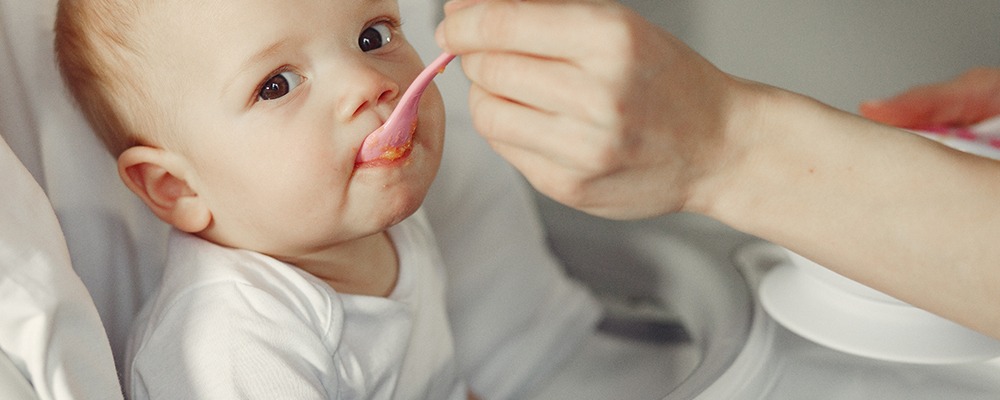
In the delicate and crucial early stages of human development, nutrition plays a pivotal role in shaping a child’s physical and cognitive growth. Babies, particularly those transitioning from breastmilk or formula to solid foods, require carefully formulated diets that are not only rich in nutrients but also easy to digest. One of the scientific breakthroughs supporting this requirement is the use of protease enzymes in baby food production. These natural catalysts are revolutionising the way baby foods are designed, making them gentler on developing digestive systems and enhancing nutrient absorption.
Understanding Protease Enzymes
Proteases, also known as peptidases or proteinases, are enzymes that catalyse the breakdown of proteins into smaller peptides and amino acids. This enzymatic process mimics the natural digestive activity within the stomach and intestines, facilitating smoother digestion. For adults and older children with mature digestive systems, protease enzymes are produced naturally in adequate amounts. However, for infants — whose enzymatic output is still developing — pre-digested proteins can significantly ease gastrointestinal load.
Incorporating proteases in baby food means that proteins are partially broken down before consumption. This results in food products that are less likely to cause bloating, discomfort, or allergic reactions — common issues faced by many infants during dietary transitions.
Why Babies Need Help with Protein Digestion

Proteins are vital for babies as they contribute to muscle development, immune function, and tissue repair. However, digesting proteins demands a well-functioning enzymatic system, which, in infants, is often immature. The production of pepsin (a protease in the stomach) and other enzymes in the pancreas takes time to reach optimal levels. This gap between nutritional needs and digestive ability makes infants vulnerable to indigestion, poor nutrient uptake, and potential intolerance to certain protein-rich foods.
Protease-treated baby foods offer a solution. By partially hydrolysing proteins, these foods present a softer entry point for the digestive system, allowing infants to receive the benefits of proteins without taxing their digestive capacities. The smoother assimilation of amino acids contributes directly to better growth, enhanced immune response, and reduced digestive distress.
Benefits of Proteases in Baby Food
The application of protease enzymes in the baby food industry has surged in recent years, and for good reason. Some of the key advantages include:
1. Improved Digestibility
Protease enzymes pre-digest proteins, transforming complex molecules into simpler forms that are easily absorbed by the infant’s gastrointestinal tract. This not only supports effective nutrient delivery but also reduces the likelihood of gastrointestinal issues like colic, constipation, and reflux.
2. Reduced Allergenicity
Protein molecules, especially those in cow’s milk, soy, and certain legumes, can trigger allergic reactions in sensitive infants. Hydrolysing these proteins with proteases helps denature allergenic epitopes — the specific parts of the protein responsible for triggering immune responses. Consequently, protease-treated foods are often better tolerated by infants with mild sensitivities.
3. Better Taste and Texture
Enzymatic processing improves the texture and palatability of protein-rich baby foods. Protease activity often results in a smoother consistency and milder flavour, both of which are favourable in developing taste preferences in young children.
4. Enhanced Nutrient Bioavailability
Protease activity not only simplifies digestion but also increases the bioavailability of essential amino acids. These amino acids are the building blocks of life, supporting brain development, immune health, and muscle formation in infants. Enzyme treatment ensures that a higher proportion of these vital nutrients are absorbed and utilised by the body.
Safety and Regulatory Considerations

When it comes to infant nutrition, safety is paramount. The use of enzymes in food production, including proteases, is strictly regulated by food safety authorities worldwide. In the European Union and many other regions, only food-grade, non-GMO, and allergen-free enzymes are permitted in infant foods. Enzymes used must be produced through safe microbial fermentation or plant-based sources and undergo rigorous quality checks.
Additionally, protease enzymes used in baby food are inactivated post-processing, meaning they are no longer active by the time the product reaches the consumer. This ensures that the enzymatic activity does not continue indefinitely, preserving the nutritional integrity of the food and ensuring no unintended changes occur after packaging.
Enzymes vs. Traditional Processing Methods
Traditional methods of making proteins more digestible included mechanical processing (grinding, pureeing), thermal treatment (cooking), or chemical hydrolysis. While these methods are effective to some extent, they often degrade essential nutrients or alter the taste and texture unfavourably.
Enzymatic treatment, on the other hand, is a gentler, more precise method. It allows manufacturers to tailor the extent of protein hydrolysis based on age-specific requirements. This level of control ensures that baby foods meet nutritional benchmarks without compromising on taste, safety, or effectiveness.
The Future of Protease in Infant Nutrition
The baby food sector is witnessing rapid innovation, with increasing focus on personalisation, safety, and science-backed nutrition. As parents become more aware of food labels, ingredient origins, and digestibility factors, the demand for enzyme-assisted products is bound to grow. Protease enzymes, given their safety profile and functional benefits, are at the forefront of this change.
Looking ahead, research may unlock newer combinations of proteases or multi-enzyme formulations that better mimic the natural digestive environment of the human gut. Advances in biotechnology could also lead to more sustainable, targeted enzyme solutions tailored to individual growth phases in infants.
Conclusion
As the understanding of infant nutrition deepens, so does the appreciation for scientifically engineered food solutions that cater to evolving digestive needs. Protease enzymes have emerged as powerful allies in this space, delivering improved digestibility, better nutrient absorption, and enhanced safety in baby food products. By breaking down proteins into their simplest, most absorbable forms, protease-treated foods pave the way for healthier, happier babies with stronger immune systems and reduced gastrointestinal discomfort.
At Biolaxi Enzymes, we take immense pride in supporting such breakthroughs in food science. With our proven expertise in protease enzyme formulations and a commitment to eco-safe, high-quality enzyme solutions, we are helping manufacturers craft next-generation baby foods that prioritise both health and sustainability. Trust in Biolaxi is trust in scientific innovation and dependable nutrition.