Alcohol production is a process where consistency and yield directly influence operational efficiency and commercial viability. Whether derived from grain, molasses or other fermentable substrates, the ability to maximise alcohol recovery while maintaining stable process performance remains a key priority. However, variability in raw materials, fermentation dynamics and conversion efficiency often results in inconsistent yields and process inefficiencies.
Enzyme driven process control has emerged as a critical approach to address these challenges. By enabling precise biochemical conversion at each stage of production, enzymes help improve substrate utilisation, stabilise fermentation and enhance overall alcohol recovery. This approach allows producers to achieve predictable outcomes while optimising resource efficiency.
Understanding Yield Variability in Alcohol Production
Alcohol recovery depends on the efficient conversion of complex raw materials into fermentable sugars, followed by their transformation into alcohol during fermentation. Any inefficiency in these stages leads to residual sugars, incomplete conversion and reduced yield.
Several factors contribute to variability:
- Differences in starch or sugar composition across raw materials
- Incomplete breakdown of complex carbohydrates
- Inconsistent fermentation performance
- Formation of non fermentable by products
Without precise control over these biochemical steps, a portion of the potential alcohol remains unutilised, directly impacting output.
Role of Enzymes in Substrate Conversion Efficiency
The first critical stage in alcohol production involves converting complex carbohydrates into fermentable sugars. Enzymes play a central role in this process by catalysing the breakdown of starch and other polysaccharides.
Key enzymatic actions include:
- Liquefaction of starch into shorter chain dextrins
- Saccharification of dextrins into fermentable sugars such as glucose
- Reduction of residual unconverted substrates
By improving the efficiency of these reactions, enzymes ensure that a greater proportion of raw material is made available for fermentation. This directly contributes to higher potential alcohol yield.
Precision Control in Saccharification Processes
Saccharification is a decisive step where enzymatic activity determines the availability of fermentable sugars. If this stage is incomplete or uneven, fermentation efficiency declines.
Targeted enzyme systems provide controlled and sustained breakdown of dextrins into simple sugars. This ensures:
- Higher glucose availability for fermentation
- Reduced formation of non fermentable sugars
- Improved consistency in substrate composition
With better control over saccharification, producers can achieve a more predictable fermentation profile.
Enhancing Fermentation Efficiency Through Enzymatic Support
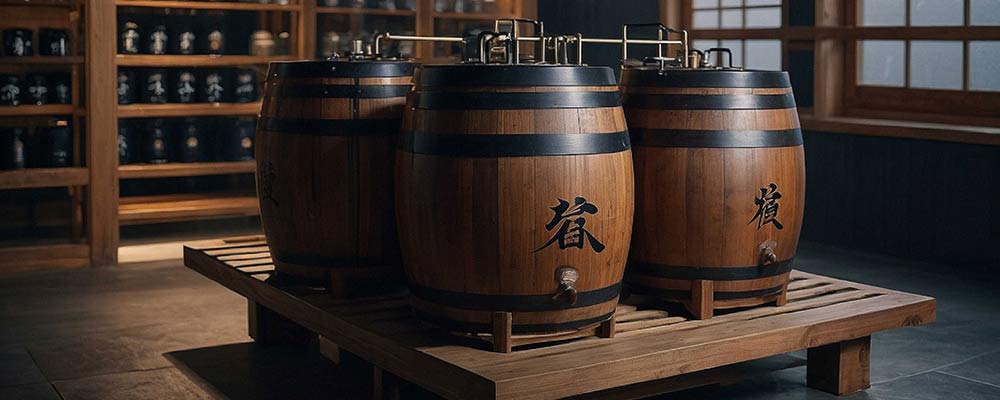
Once fermentable sugars are available, yeast converts them into alcohol. However, fermentation efficiency depends on the accessibility and composition of these sugars.
Enzymes support fermentation by:
- Continuing the breakdown of residual carbohydrates during fermentation
- Reducing viscosity and improving mass transfer within the medium
- Minimising inhibitory compounds that affect yeast performance
This integrated enzymatic activity ensures that fermentation proceeds smoothly, allowing yeast to convert sugars more completely into alcohol.
Reducing Residual Losses and Improving Recovery
One of the key challenges in alcohol production is the presence of residual sugars and unconverted materials after fermentation. These represent direct losses in potential yield.
Enzyme driven systems help reduce these losses by ensuring more complete conversion of substrates throughout the process. This results in:
- Lower residual sugar levels in the final mash
- Improved alcohol concentration in the fermented broth
- Higher recovery during downstream distillation
By maximising conversion efficiency, enzymes help capture a greater proportion of the available alcohol.
Process Stability and Batch Consistency
Variability in process conditions can lead to fluctuations in alcohol yield across batches. Enzyme based process control provides a stabilising effect by maintaining consistent biochemical reactions despite variations in raw material quality.
This leads to:
- Uniform conversion efficiency across batches
- Reduced process deviations
- Improved predictability in alcohol output
For large scale operations, this consistency is critical for maintaining operational reliability and meeting production targets.
Optimising Process Conditions with Enzymatic Flexibility
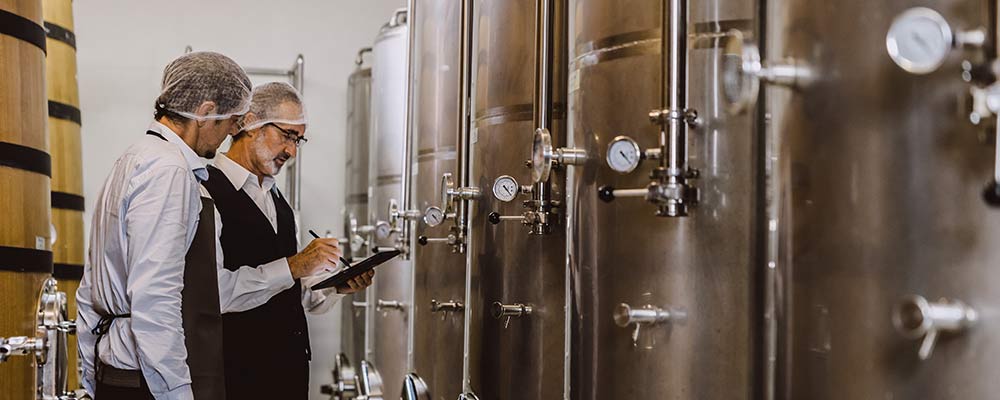
Enzymes are adaptable to a range of process conditions, allowing producers to optimise temperature, pH and processing time without compromising efficiency. This flexibility supports better integration of enzymatic steps into existing production systems.
By aligning enzyme performance with process parameters, producers can:
- Improve reaction efficiency under varying conditions
- Reduce processing time for conversion stages
- Enhance overall throughput
This adaptability makes enzyme driven systems highly effective in modern alcohol production environments.
Supporting Resource Efficiency and Cost Optimisation
Higher alcohol recovery is directly linked to improved utilisation of raw materials. When enzymes enable more complete conversion, less input is required to achieve the same output.
This contributes to:
- Reduced raw material wastage
- Improved process economics
- Lower operational inefficiencies
Enhanced resource efficiency not only improves profitability but also supports more sustainable production practices.
Integration Across the Production Value Chain
Enzyme driven process control is not limited to a single stage but extends across the entire alcohol production value chain. From initial substrate breakdown to fermentation and final recovery, enzymes provide continuous support for biochemical conversion.
This integrated approach ensures that each stage contributes effectively to overall yield optimisation. By maintaining control over these interconnected processes, producers can achieve both higher recovery and consistent performance.
Conclusion
Achieving consistent and higher alcohol recovery requires precise control over complex biochemical processes involved in substrate conversion and fermentation. Variability in raw materials and process conditions often leads to inefficiencies that reduce overall yield. Enzyme driven process control addresses these challenges by enhancing conversion efficiency, stabilising fermentation and minimising residual losses.
Biolaxi Enzymes has been supporting alcohol production processes through specialised enzyme technologies that improve substrate breakdown and fermentation efficiency. By enabling more controlled and complete biochemical conversion, enzyme driven solutions help achieve higher alcohol recovery, consistent output and improved process reliability across production cycles.