
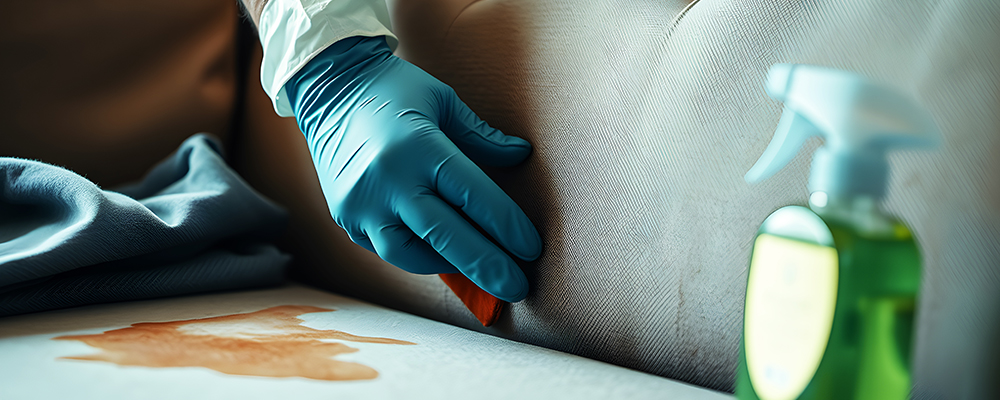
Cleaning has changed. It is no longer simply about using stronger chemicals or harsher washing conditions to force stains out of fabrics. Today’s consumers expect more. They want effective stain removal, fabric protection, energy efficiency and environmentally responsible solutions, all within the same wash cycle.
This shift has transformed detergent science. Modern cleaning performance is increasingly driven by precision rather than intensity. At the centre of this progress are enzymes, highly specialised biological catalysts that break down stains at their molecular source.
From food spills and grease marks to sweat residue and everyday dirt, enzymes help detergents tackle complex stains more intelligently. They improve cleaning efficiency, support lower temperature washing and reduce the need for excessive chemical force. In everyday cleaning, enzymes are helping redefine what better stain removal truly means.
Why Everyday Stains Are More Complex Than They Appear
Stains may look simple on the surface, but most are chemically diverse. A single garment can contain multiple stain types, including proteins, oils, starches and particulate matter, all bonded differently to fabric fibres.
Common household stains often include:
- Protein based residues such as sweat, dairy or blood
- Grease and oil from cooking or body contact
- Starch deposits from sauces or processed foods
- Dirt and fibre dullness from repeated wear
Traditional surfactants can help loosen surface dirt, but many stubborn stains require deeper molecular breakdown. Without this, residues may remain embedded, leading to incomplete cleaning or repeated washing.
This is where enzymes make the difference.
How Enzymes Improve Cleaning at the Molecular Level
Enzymes work by targeting specific stain components and breaking them into smaller, water soluble fragments that can be removed more easily during washing.
Different enzymes address different stain categories:
- Proteases break down protein stains
- Lipases target fats and oils
- Amylases degrade starch residues
- Cellulases help maintain fabric brightness by addressing fibre surface dullness
Rather than treating all stains the same way, enzymes provide targeted cleaning precision. This specialised action allows detergents to work more efficiently across a broader range of everyday messes.
Better Stain Removal Without Excessive Harshness
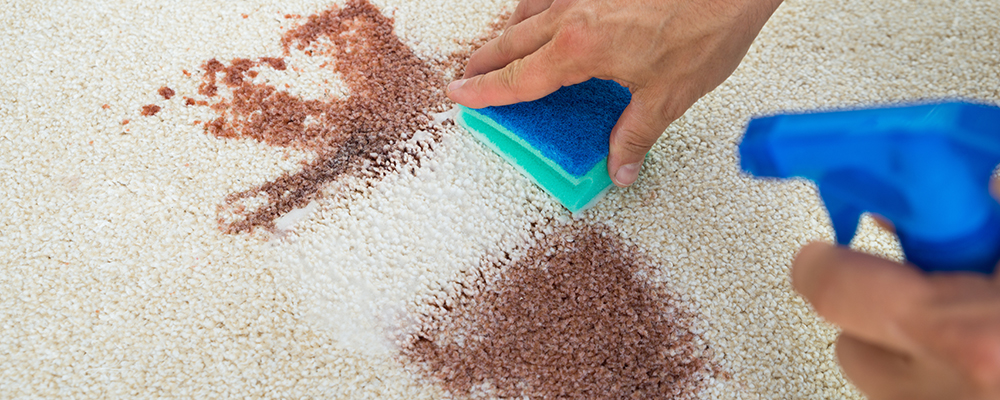
Traditional stain removal often depended heavily on strong alkaline chemicals, bleach systems or high heat. While these methods can be effective, they may also increase fabric wear, colour fading or chemical load.
Enzymes change this approach. By breaking stains down early in the cleaning process, they reduce the need for extreme chemical intensity.
This supports:
- More efficient stain degradation
- Reduced dependence on aggressive chemicals
- Better fabric care
- Improved cleaning consistency
The result is smarter cleaning that works with precision rather than force.
Effective Performance in Low Temperature Washing
Laundry habits are evolving. Many households now prefer cold or moderate temperature wash cycles to save energy and protect garments.
Historically, lower temperatures could reduce stain removal effectiveness. Enzymes help overcome this limitation by remaining active even in milder wash conditions.
This offers significant advantages:
- Better cleaning in cold or warm washes
- Reduced energy consumption
- Greater convenience
- Improved garment longevity
By supporting effective cleaning without excessive heat, enzymes align perfectly with modern efficiency goals.
Supporting Fabric Care While Cleaning
Consumers increasingly want detergents that not only clean well but also protect clothing quality over time.
Harsh cleaning systems can gradually weaken fibres, dull colours or create roughness. Enzymes offer a more selective approach. They focus primarily on stain molecules while helping preserve textile structure.
This can contribute to:
- Better colour retention
- Fabric softness preservation
- Reduced fibre stress
- Longer garment life
For everyday clothing care, this balance between cleaning power and fabric protection is especially valuable.
Handling Diverse Modern Laundry Challenges
Today’s laundry includes a wide variety of materials, stain types and washing systems. From activewear and school uniforms to delicate garments and high efficiency machines, detergents must perform across diverse scenarios.
Enzymes offer adaptability. Their targeted functions help formulations remain effective across changing laundry habits, shorter cycles and mixed stain profiles.
This flexibility supports:
- Broader stain coverage
- Reliable performance across wash conditions
- Compatibility with evolving detergent systems
- Improved consumer satisfaction
As lifestyles become more demanding, precision cleaning becomes increasingly important.
Sustainability Through Smarter Cleaning Science
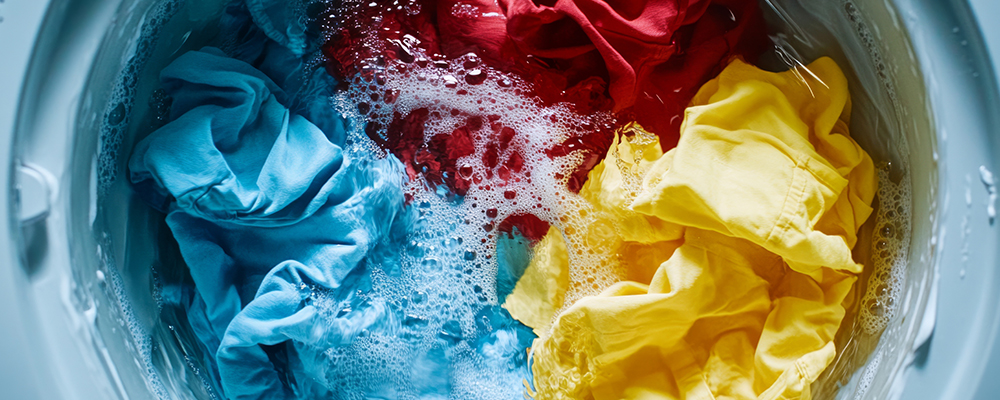
Environmental responsibility has become a defining factor in cleaning product development. Enzymes contribute meaningfully by enabling more efficient formulations with reduced chemical dependency and lower energy demands.
This can support:
- Lower chemical load
- Reduced wash temperatures
- Improved biodegradability
- More resource conscious cleaning systems
Rather than sacrificing performance for sustainability, enzyme based systems increasingly deliver both.
The Future of Everyday Cleaning
Cleaning technology continues to evolve. Advanced enzyme combinations, improved formulation stability and more specialised stain targeting are shaping the next generation of detergents.
Future developments are likely to focus on:
- Greater multi stain precision
- Enhanced performance in shorter cycles
- Improved compatibility with sustainable detergents
- Better consumer specific cleaning experiences
As detergent science progresses, enzymes will remain central to balancing cleaning effectiveness with efficiency and care.
Conclusion
Better stain removal in modern cleaning is no longer about overwhelming stains with chemical force alone. It is about understanding stains, targeting them precisely and removing them more intelligently. Enzymes make this possible by breaking down specific stain molecules, improving cleaning performance across varied conditions while supporting fabric care, energy efficiency and sustainability.
Biolaxi Enzymes supports this progress through carefully developed enzyme solutions that help detergent and cleaning product formulators enhance stain removal, optimise product performance and meet modern cleaning expectations. With strong research capabilities, customised enzyme expertise and a focus on practical efficiency, Biolaxi Enzymes helps drive smarter everyday cleaning solutions that combine performance, precision and responsible innovation.