
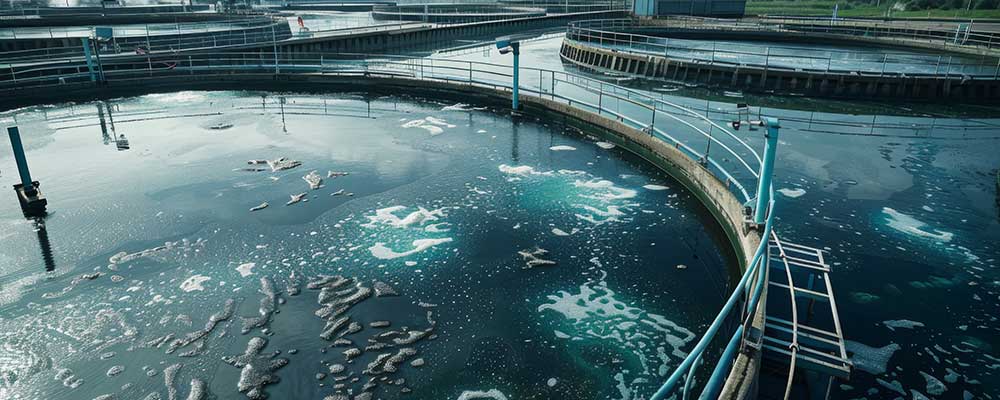
Water treatment has become a critical operational priority for industries and municipalities alike, driven by increasing regulatory scrutiny, resource scarcity, and sustainability mandates. Conventional treatment systems, heavily dependent on chemical and physical processes, often present challenges in terms of cost, efficiency, and environmental impact. Within this evolving landscape, enzyme technology has emerged as a strategic enabler, offering a more precise, efficient, and environmentally aligned approach to water and wastewater management.
By facilitating targeted biochemical reactions, enzymes enable the breakdown of complex pollutants into simpler, biodegradable forms. This not only enhances treatment efficiency but also supports compliance with stringent discharge norms while optimising operational expenditure.
Understanding the Complexity of Modern Water Streams
Water streams generated from industrial and municipal sources are inherently complex, containing a wide spectrum of contaminants such as:
- Proteins and organic nitrogen compounds
- Fats, oils, and grease
- Carbohydrates and starch residues
- Cellulosic and fibrous materials
- Phenolic and aromatic compounds
Traditional treatment approaches often struggle to address this variability consistently. Fluctuations in influent composition can disrupt biological systems, increase sludge generation, and elevate Chemical Oxygen Demand and Biological Oxygen Demand levels, thereby complicating downstream treatment processes.
Mechanism of Enzymatic Action in Water Treatment Systems
Enzymes function as biological catalysts that accelerate the degradation of organic matter without being consumed in the reaction. Their role in water treatment is primarily centred on hydrolysis and oxidation processes, converting high molecular weight compounds into smaller, soluble molecules.
Key functional outcomes include:
- Enhanced breakdown of complex organic pollutants
- Improved bioavailability for microbial degradation
- Acceleration of treatment kinetics
- Reduction in residual organic load
This pre-treatment effect significantly improves the efficiency of secondary biological processes, ensuring more stable and predictable system performance.
Key Enzyme Classes and Their Functional Roles
Different enzyme categories are deployed based on the nature of contaminants present in the water stream. Their targeted action ensures precision in pollutant degradation:
- Proteases
Facilitate the hydrolysis of protein-based contaminants into peptides and amino acids, improving biodegradability and reducing odour formation. - Lipases
Act on fats and oils, converting them into glycerol and fatty acids, thereby preventing scum formation and pipeline blockages. - Amylases
Break down starch and polysaccharides into simple sugars, enhancing microbial digestion and reducing organic load. - Cellulases
Degrade fibrous materials and cellulose, particularly relevant in textile and paper industry effluents. - Oxidative Enzymes such as Laccases
Target phenolic and dye-based pollutants, transforming them into less toxic compounds suitable for further treatment or discharge.
Operational Advantages Over Conventional Treatment Approaches
The integration of enzyme systems into water treatment frameworks provides measurable operational and economic benefits:
- Reduced Chemical Dependency
Enzymes minimise reliance on aggressive oxidising agents, acids, and coagulants, thereby lowering chemical procurement and handling costs. - Lower Energy Consumption
Effective performance under moderate temperature and pH conditions reduces the need for intensive heating or pH correction. - Decreased Sludge Generation
Improved degradation efficiency can lead to lower sludge volumes, reducing disposal costs and environmental burden. - Enhanced Process Stability
By pre-digesting complex substrates, enzymes help maintain consistent microbial activity even under variable influent conditions.
Improving COD and BOD Reduction Efficiency
One of the most critical performance indicators in water treatment is the reduction of Chemical Oxygen Demand and Biological Oxygen Demand. High values indicate excessive organic pollution, posing risks to aquatic ecosystems.
Enzymes contribute to improved reduction metrics by:
- Breaking down complex organics into readily biodegradable intermediates
- Accelerating microbial metabolism in biological treatment stages
- Reducing oxygen demand through efficient pollutant conversion
This results in faster attainment of regulatory discharge standards and improved plant throughput.
Addressing Biofilm Formation and System Fouling
Biofilm accumulation within pipelines, membranes, and treatment units represents a persistent operational challenge. Conventional control methods often rely on biocides, which may introduce secondary environmental concerns.
Enzymatic solutions offer a more targeted alternative by:
- Degrading extracellular polymeric substances that bind biofilms
- Disrupting microbial adhesion mechanisms
- Enhancing system cleanliness without toxic residues
This contributes to improved hydraulic efficiency, reduced maintenance frequency, and extended equipment lifespan.
Integration into Existing Treatment Infrastructure
A key advantage of enzyme technology lies in its adaptability. Enzymes can be seamlessly integrated into existing treatment systems without significant capital expenditure.
Typical implementation strategies include:
- Dosing at equalisation tanks for pre-hydrolysis
- Addition within aeration basins to support biological treatment
- Application in tertiary stages for polishing and colour removal
Their compatibility with conventional systems ensures minimal disruption while delivering incremental performance gains.
Sustainability and Regulatory Alignment
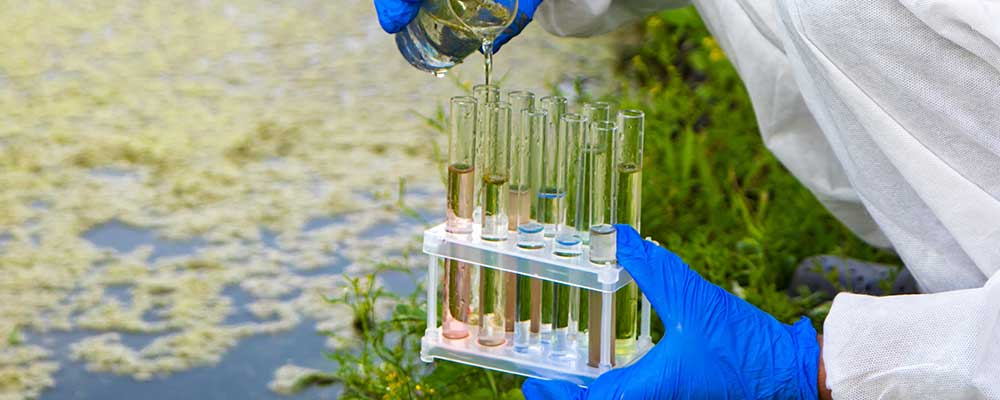
With increasing emphasis on environmental governance and compliance frameworks, industries are under pressure to reduce their ecological footprint. Enzymes align strongly with these objectives by:
- Being biodegradable and environmentally benign
- Reducing chemical discharge into water bodies
- Supporting lower carbon operations through energy savings
- Enabling adherence to stringent wastewater norms
This positions enzyme-based treatment as a strategic component of sustainable water management policies.
Challenges and Considerations in Enzyme Deployment
While enzymes offer significant advantages, their application requires careful consideration of operational parameters:
- Sensitivity to extreme pH and temperature conditions
- Potential inhibition by heavy metals or toxic compounds
- Requirement for optimal dosing and contact time
- Cost perception relative to traditional chemicals
However, advancements in biotechnology, including enzyme stabilisation and immobilisation, are progressively addressing these limitations, enhancing their industrial viability.
The Future of Enzyme-Led Water Treatment
The trajectory of water treatment is increasingly aligned with precision, sustainability, and resource efficiency. Enzyme technology is expected to play a pivotal role in this transformation through:
- Development of customised enzyme blends for specific industries
- Integration with smart monitoring systems for real-time optimisation
- Expansion of immobilised enzyme applications for reusability
- Synergistic use with microbial consortia for enhanced bioremediation
As innovation continues, enzymes will transition from a supplementary tool to a core component of advanced water treatment strategies.
Conclusion
The transition from conventional chemical-intensive processes to biologically driven solutions represents a paradigm shift in water treatment. Enzymes, through their specificity and efficiency, enable targeted pollutant degradation, improved operational stability, and reduced environmental impact.
Their ability to enhance COD and BOD reduction, minimise sludge generation, and support sustainable practices positions them as a critical asset in modern water management frameworks. As industries and municipalities navigate increasing regulatory and environmental expectations, enzyme-based solutions offer a viable pathway towards cleaner, more efficient, and future-ready water treatment systems.
Within this evolving framework, Biolaxi Enzymes supports the development of advanced enzyme technologies that enable efficient pollutant degradation, regulatory alignment, and sustainable water treatment outcomes across diverse industrial applications.