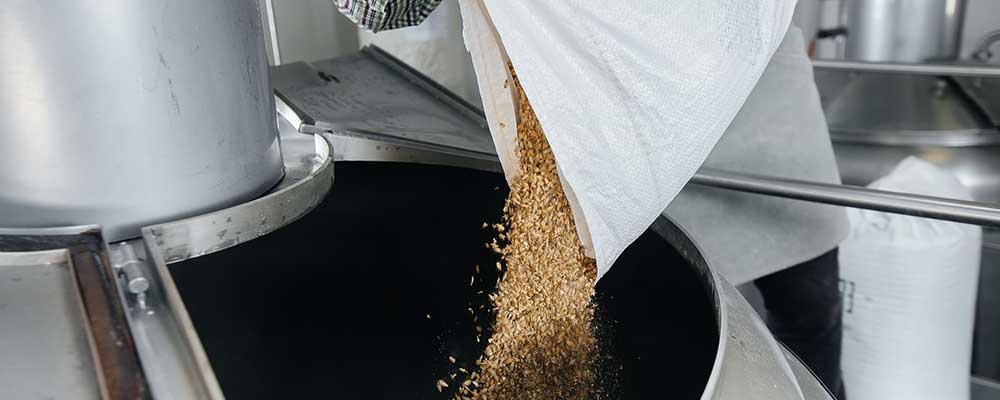
Grain distillation is a highly optimised biochemical process where the efficiency of starch conversion directly determines alcohol yield, process economics and product consistency. Whether in the production of spirits such as whisky and vodka or in large scale bioethanol operations, the ability to extract maximum fermentable sugars from grain remains the central operational objective.
Grains such as maize, wheat, barley and sorghum contain high levels of starch, but this starch is not directly accessible for fermentation. Without effective breakdown, a significant portion of the substrate remains underutilised, resulting in lower yields and inefficiencies. Enzymes play a decisive role in overcoming this limitation by enabling controlled and efficient conversion of starch into fermentable sugars.
Understanding the Role of Enzymes in Grain Distillation
The distillation process relies on converting complex carbohydrates into simple sugars, which yeast can ferment into alcohol. This transformation occurs through a sequence of enzymatic reactions that target different structural components of starch and associated materials within the grain.
Enzymes function as process catalysts that:
- Break down complex starch molecules into smaller chains
- Convert intermediate compounds into fermentable sugars
- Improve mash flow and handling characteristics
- Support optimal fermentation conditions for yeast
By controlling these biochemical steps, enzymes ensure that distillation processes operate with higher precision and efficiency.
Starch Structure as a Processing Challenge
Grain starch is composed primarily of amylose and amylopectin, both of which are tightly packed within granules. These structures are resistant to direct microbial fermentation and require pre-treatment before yeast can utilise them.
Challenges associated with starch include:
- Limited solubility in its native form
- Resistance to enzymatic access without gelatinisation
- Complex branching structures in amylopectin
- Interaction with proteins and fibre components
Overcoming these barriers is essential for achieving complete starch utilisation and maximising alcohol yield.
Liquefaction as the First Enzymatic Step
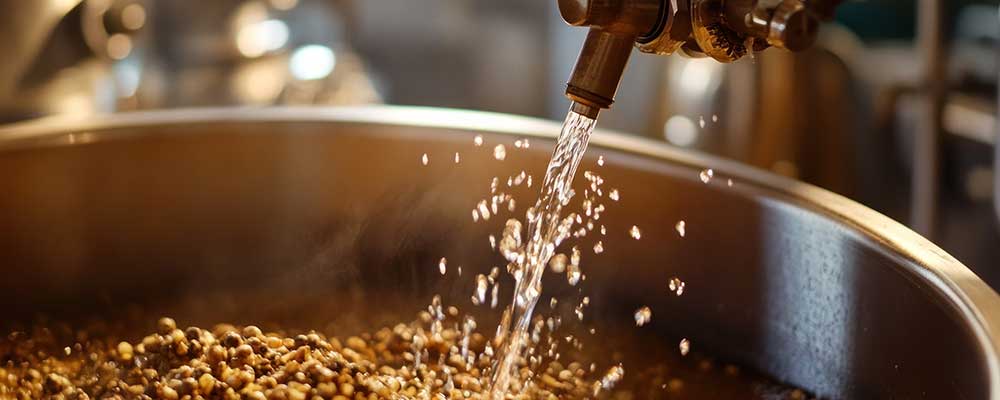
Liquefaction is the initial stage where starch granules are gelatinised through heat and then broken down into shorter chains. This stage primarily involves alpha amylase enzymes, which act on internal bonds within starch molecules.
The key outcomes of effective liquefaction include:
- Significant reduction in mash viscosity
- Formation of dextrins from long starch chains
- Improved flow properties for downstream processing
- Enhanced accessibility of substrates for further conversion
Efficient liquefaction ensures that the mash remains manageable during processing and sets the foundation for complete starch hydrolysis.
Conversion and Sugar Release Through Enzymatic Action
Following liquefaction, the conversion stage focuses on breaking down dextrins into simple sugars such as glucose. This step is driven by enzymes such as glucoamylase, which hydrolyse both linear and branched starch components.
Effective conversion results in:
- High concentration of fermentable sugars
- Improved substrate availability for yeast
- Reduced presence of residual unconverted starch
- Enhanced fermentation efficiency
Incomplete conversion can significantly impact yield, making enzyme performance at this stage critical for overall process success.
Role of Auxiliary Enzymes in Mash Optimisation
Beyond starch degrading enzymes, additional enzyme types contribute to improving overall process efficiency in grain distillation.
Proteases play an important role in breaking down grain proteins, releasing amino acids that serve as nutrients for yeast. This supports stronger fermentation activity and reduces lag phases.
Cellulases and hemicellulases target non starch polysaccharides present in grain cell walls. By breaking down these components, they help reduce mash viscosity and improve filtration and separation.
These supporting enzymes contribute to:
- Improved yeast health and activity
- Better mash handling and mixing
- Enhanced extraction of fermentable material
- Reduced process bottlenecks
The combined action of multiple enzymes creates a more efficient and balanced system.
Improving Fermentation Efficiency Through Enzymatic Support
Fermentation performance depends heavily on the availability and quality of fermentable sugars. Enzymes directly influence this by ensuring that starch conversion is complete and consistent.
When enzymatic hydrolysis is optimised:
- Yeast can access a steady and sufficient sugar supply
- Fermentation cycles become faster and more predictable
- Alcohol yield per batch increases
- Risk of incomplete fermentation is reduced
This not only improves productivity but also ensures uniformity across production cycles.
Enhancing Yield and Resource Utilisation
One of the most significant advantages of enzyme application in grain distillation is improved yield. By extracting more fermentable sugars from the same quantity of grain, enzymes enable better utilisation of raw materials.
Operational benefits include:
- Higher alcohol output per unit of grain
- Reduced raw material consumption
- Lower production cost per litre
- Improved return on input resources
In high volume distilleries, even small improvements in conversion efficiency can result in substantial economic gains.
Reducing Process Variability and Operational Risk
Variability in grain quality, moisture content and composition can affect processing outcomes. Without proper control, these variations can lead to inconsistent yields and operational inefficiencies.
Enzymes provide a stabilising mechanism by compensating for such variations. Their targeted action ensures that starch breakdown and sugar release remain consistent despite fluctuations in raw material characteristics.
This leads to:
- Greater process reliability
- Reduced batch to batch variation
- Improved quality consistency in final output
- Lower risk of production disruptions
Such stability is essential for maintaining efficiency in large scale operations.
Supporting Energy Efficiency and Sustainability
Traditional grain processing methods often require high energy input, particularly during cooking and mechanical breakdown stages. Enzymes help reduce this burden by enabling more efficient reactions under controlled conditions.
Their contribution to sustainability includes:
- Lower energy requirements through efficient hydrolysis
- Reduced need for chemical additives
- Improved utilisation of agricultural inputs
- Lower generation of process waste
These factors support environmentally responsible production while maintaining economic viability.
Adapting to Different Grain Types and Processing Conditions
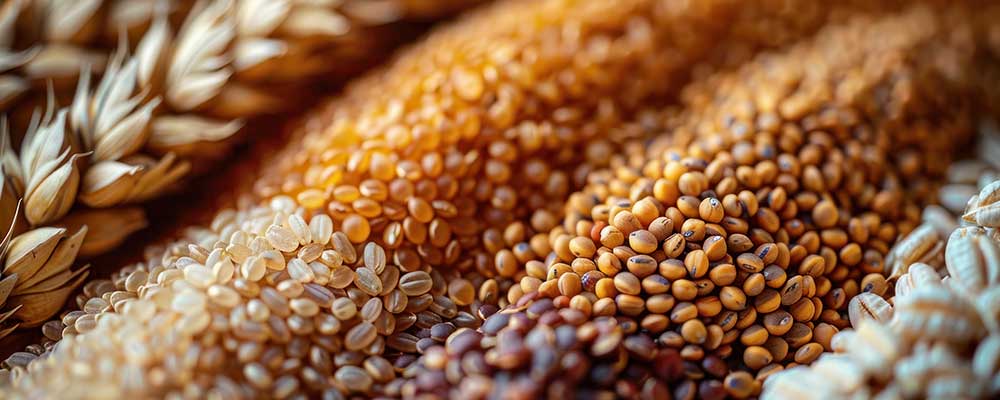
Different grains present unique processing challenges due to variations in starch composition, protein content and fibre structure. Enzyme systems can be tailored to address these differences effectively.
For example:
- Maize may require strong liquefaction due to high starch content
- Wheat may need additional viscosity reduction support
- Barley may require balanced enzyme action for optimal conversion
Customised enzyme application ensures that each grain type is processed with maximum efficiency, regardless of its inherent characteristics.
Future Outlook for Enzyme Driven Distillation
Advancements in enzyme technology continue to enhance their performance and adaptability. Modern enzymes are being developed to function across wider temperature and pH ranges, allowing greater flexibility in process design.
Emerging trends include:
- Multi functional enzyme blends combining several activities
- Improved thermostability for high temperature processing
- Enhanced resistance to process variations
- Integration with automated process monitoring systems
These innovations are expected to further optimise grain distillation processes, making them more efficient, scalable and sustainable.
Conclusion
Grain distillation relies on the efficient conversion of starch into fermentable sugars, a process that is fundamentally driven by enzymatic activity. From liquefaction to conversion and fermentation support, enzymes play a central role in improving yield, process control and operational efficiency.
Biolaxi Enzymes has been supporting grain distillery operations with specialised enzyme solutions designed to optimise starch breakdown and enhance fermentation performance. Through targeted enzymatic systems, distilleries can achieve higher yields, improved consistency and more efficient utilisation of raw materials, ensuring reliable and sustainable production across diverse grain based applications.