
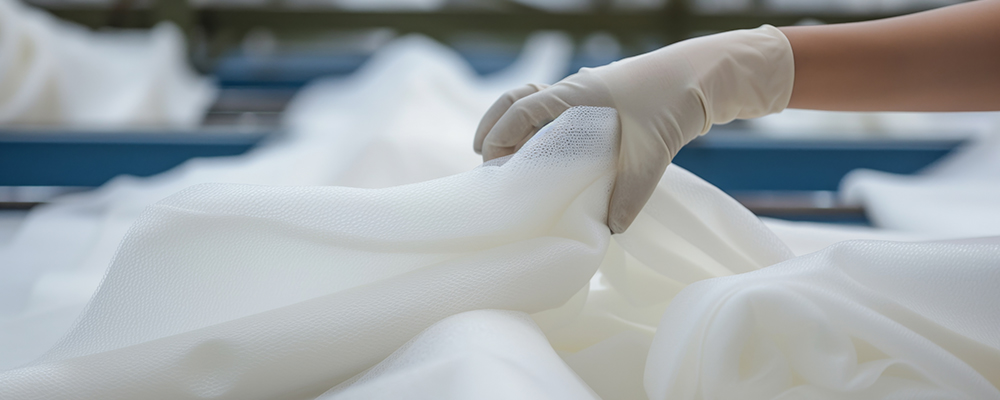
Fabric softness and surface finish play a major role in how textiles are perceived by consumers. The smooth feel of a garment, its brightness and its resistance to rough fibres all influence overall product quality. Achieving these characteristics consistently during textile processing can be challenging because conventional chemical treatments sometimes affect fabric strength, appearance and environmental sustainability.
Precision enzyme processing offers a more controlled approach to improving fabric softness and finish. By acting directly on specific fibre components, enzymes help refine the fabric surface, remove impurities and enhance softness without damaging the underlying material. This enzymatic approach has become an effective solution for improving textile quality while supporting more balanced processing methods.
Understanding Fibre Surface Irregularities
During weaving and finishing processes, textile fibres often develop surface irregularities. Small protruding fibres, residual impurities and uneven fibre ends can make the fabric feel rough and reduce its visual appeal.
Traditional chemical treatments can remove some of these imperfections, but aggressive chemicals may weaken fibres or alter the natural characteristics of the fabric. In contrast, enzymatic processing targets specific fibre components, allowing surface improvements without harsh treatment.
How Enzymes Improve Fabric Softness

Enzymes act as highly selective biological catalysts that interact with particular fibre components. In cotton and other cellulose based fabrics, certain enzymes gently break down tiny surface fibres that create roughness.
This controlled action helps:
- Remove microscopic fibre protrusions from the fabric surface
- Smooth the outer layer of textile fibres
- Improve softness and comfort of finished fabrics
- Enhance drape and overall fabric feel
Because enzymes operate with precision, they improve surface quality while preserving the strength and structure of the fabric.
Enhancing Surface Finish and Fabric Appearance
Fabric finish is closely linked to the uniformity of the fibre surface. When loose or damaged fibres remain on the fabric, they can scatter light unevenly and create a dull or fuzzy appearance.
Enzymatic processing removes these irregular fibres and creates a smoother surface that reflects light more evenly. This results in brighter colours, improved clarity of fabric patterns and a cleaner overall finish.
For textile processors, this improved appearance adds significant value to the final product.
Supporting Controlled Bio Polishing
Bio polishing is a widely used enzymatic treatment that enhances fabric smoothness and reduces pilling. During this process, enzymes selectively remove loose cellulose fibres from the fabric surface.
The benefits of controlled bio polishing include:
- Reduced formation of fabric pills during use
- Improved surface smoothness and softness
- Better colour brightness and fabric clarity
- Enhanced durability of textile appearance
Because the enzymatic action is carefully controlled, the treatment refines the fabric surface without excessive fibre loss.
Improving Process Efficiency and Fabric Care

Another advantage of enzyme based textile processing is its ability to operate under milder processing conditions. Many enzymatic treatments work effectively at moderate temperatures and neutral pH levels.
This allows textile processors to achieve high quality finishing while avoiding overly harsh chemical environments that could damage fibres or increase processing complexity.
By improving surface quality through precise enzymatic reactions, fabrics retain their strength while gaining improved softness and visual appeal.
Supporting Sustainable Textile Processing
Sustainability is becoming an important consideration in textile manufacturing. Reducing reliance on harsh chemicals and improving process efficiency are key steps toward more responsible production methods.
Enzyme based processing supports these goals by enabling targeted fibre modification without excessive chemical input. Because enzymes act only on specific fibre components, they minimise unnecessary reactions and reduce environmental impact.
This approach helps textile producers balance quality improvement with responsible processing practices.
Conclusion
Achieving consistent fabric softness and high quality surface finish is essential for producing textiles that meet modern quality expectations. Precision enzyme processing offers a reliable way to refine fibre surfaces, remove irregularities and improve the overall feel of fabrics. Through selective biochemical action, enzymes enhance softness, brightness and durability without damaging the underlying textile structure.
Biolaxi Enzymes is taking a progressive step in this direction by supporting textile processors with advanced enzyme technologies designed to improve fibre surface treatment and finishing performance. Through targeted enzymatic solutions, textile producers can achieve smoother fabrics, enhanced softness and more consistent finishing results across their textile products.