
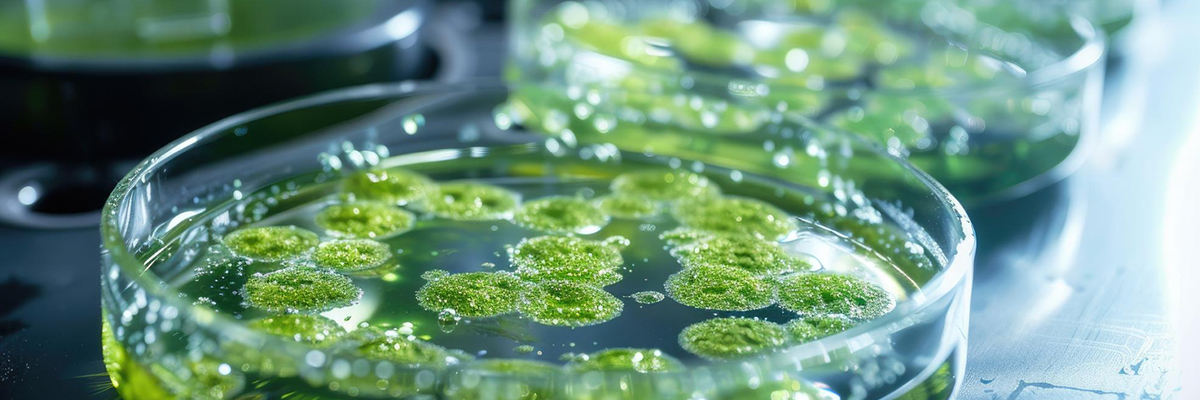
Effluent management has emerged as one of the most pressing environmental challenges for Indian industry. From pharmaceuticals and textiles to food processing and biofuels, manufacturing operations generate complex wastewater streams that demand effective and compliant treatment. As regulatory frameworks tighten and environmental accountability becomes non negotiable, conventional effluent treatment methods are increasingly viewed as inadequate. Research and industrial practice are now converging on one solution with transformative potential: enzymes.
Enzyme based effluent treatment is gaining recognition as a sustainable, efficient and scalable alternative to traditional physical and chemical methods. Backed by extensive research and growing industrial adoption, enzymes are redefining how Indian facilities manage wastewater while balancing operational performance and environmental responsibility.
Limitations of Conventional Effluent Treatment Systems
Traditional effluent management relies heavily on chemical dosing, mechanical separation and energy intensive processes. While these systems can reduce pollutant load, they often struggle with complex organic compounds, high chemical oxygen demand and variable effluent composition.
Chemical treatments frequently introduce secondary pollutants, increase sludge generation and raise disposal costs. Mechanical systems demand continuous energy input and maintenance. In many cases, industries are forced to operate multiple treatment stages to meet discharge norms, escalating both capital and operating expenditure. These limitations have prompted researchers and environmental engineers to explore biologically driven alternatives.
Enzymes as a Biological Solution to Complex Wastewater
Enzymes are naturally occurring catalysts capable of breaking down complex organic molecules into simpler, less harmful compounds. Unlike conventional treatments that rely on bulk chemical reactions, enzymes work at a molecular level, targeting specific pollutants with high precision.
Research shows that enzymes such as proteases, lipases, amylases and cellulases are highly effective in degrading proteins, fats, starches and fibrous materials commonly found in industrial effluents. Their ability to function under mild conditions allows them to integrate seamlessly into existing treatment systems without major infrastructure changes.
Reducing Chemical Load and Secondary Pollution
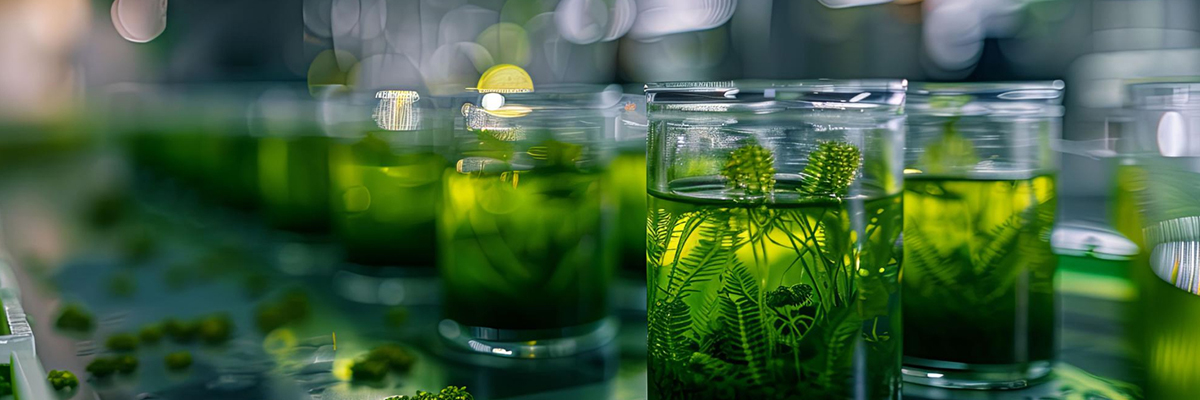
One of the most significant advantages of enzymatic effluent treatment is the reduction in chemical usage. Traditional wastewater treatment often requires acids, alkalis and coagulants, which can alter effluent chemistry and generate secondary waste streams.
Enzymes minimise or eliminate the need for such chemicals. By directly breaking down organic pollutants, they reduce reliance on aggressive reagents and lower the formation of harmful by products. This results in cleaner effluent output and simplified sludge management, addressing two major pain points in industrial wastewater treatment.
Enhancing Biological Treatment Efficiency
Enzymes also play a critical role in enhancing biological effluent treatment processes. In activated sludge systems and anaerobic digesters, enzymes accelerate the breakdown of complex substrates into forms that microorganisms can readily consume.
Research indicates that enzyme supplementation improves biomass activity, stabilises treatment performance and reduces hydraulic retention time. For Indian industries dealing with fluctuating effluent loads, this stability is essential for maintaining compliance and avoiding treatment failures.
Lower Energy Consumption and Operational Costs
Energy efficiency is a key driver behind the adoption of enzyme based effluent management. Many conventional systems rely on aeration, heating and mechanical agitation, all of which consume significant energy.
Enzymes operate effectively at ambient temperatures and pressures, reducing energy demand across the treatment process. Lower energy consumption translates into reduced operational costs and a smaller carbon footprint, aligning effluent management with broader sustainability goals.
Addressing Industry Specific Effluent Challenges
Different industries generate effluents with distinct characteristics. Textile effluents are rich in dyes and fibres, pharmaceutical wastewater contains complex organic molecules, and food processing effluents are high in fats and carbohydrates.
Research has demonstrated that tailored enzyme blends can be developed to address these industry specific challenges. Customised enzyme formulations target the exact composition of effluent streams, improving treatment efficiency and enabling compliance with stringent discharge standards. This adaptability makes enzymes a versatile solution across diverse industrial sectors.
Supporting Regulatory Compliance and ESG Objectives
Environmental regulations in India are becoming increasingly stringent, with greater emphasis on effluent quality, water reuse and sustainability reporting. Enzymatic treatment supports compliance by delivering consistent and measurable improvements in effluent parameters such as biochemical oxygen demand and chemical oxygen demand.
Beyond compliance, enzyme based effluent management strengthens environmental, social and governance performance. Reduced chemical usage, lower energy consumption and improved water stewardship contribute positively to sustainability metrics and corporate responsibility commitments.
Advancing Circular Water Management Practices
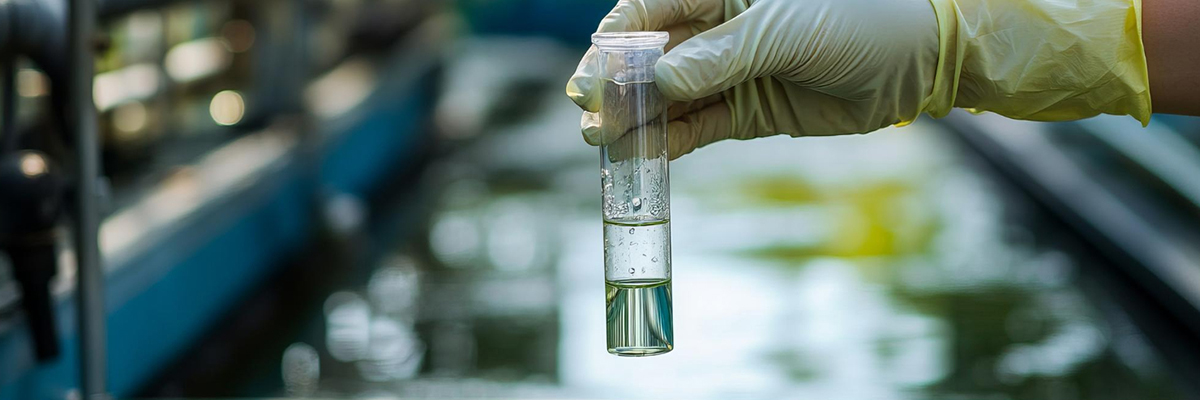
Sustainable effluent management is not limited to safe discharge. Research increasingly focuses on water recovery and reuse within industrial operations. Enzyme treated effluents are often better suited for tertiary treatment and recycling due to lower residual toxicity and improved clarity.
This enables industries to reduce freshwater intake and move towards closed loop water systems. In water stressed regions, such circular practices are not only environmentally responsible but also strategically essential for long term operational resilience.
Conclusion
Research and real world applications clearly indicate that enzymes represent the future of sustainable effluent management. Their ability to reduce chemical dependency, enhance biological treatment, lower energy consumption and address complex pollutants positions them as a superior alternative to conventional methods. As industries face growing regulatory and environmental pressures, enzyme based solutions offer a practical pathway to cleaner operations and long term sustainability.
In this evolving landscape, Biolaxi Enzymes supports industries with scientifically formulated enzyme solutions designed to improve effluent treatment efficiency, reduce environmental impact and enable sustainable water management practices aligned with modern regulatory and operational expectations.