
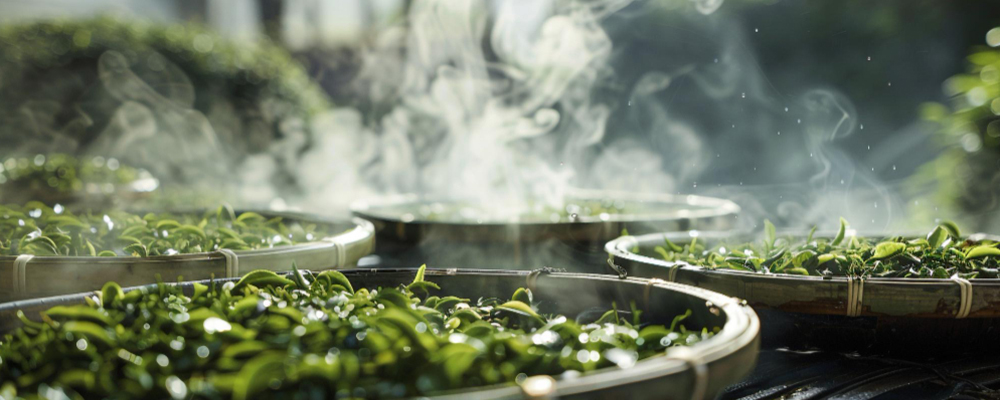
Tea is one of the most widely consumed beverages in the world, yet its production remains a delicate balance between tradition and technology. In India, where tea processing is both a cultural heritage and a major agro industrial activity, producers are under increasing pressure to deliver consistent quality, distinctive flavour profiles and sustainable operations. At the heart of this evolution lies controlled enzymatic oxidation, a process that is redefining how tea quality is developed and preserved.
While oxidation has always been central to tea making, especially for black and oolong teas, modern processing demands far greater control than traditional methods can consistently deliver. Enzymes, when applied with precision, are emerging as the key to unlocking uniformity, efficiency and superior sensory outcomes across tea varieties.
Understanding Oxidation in Tea Processing
Oxidation in tea processing refers to the enzymatic reaction that occurs when tea leaves are rolled or crushed, exposing cellular compounds to oxygen. Naturally occurring enzymes such as polyphenol oxidase and peroxidase catalyse the conversion of catechins into theaflavins and thearubigins, compounds responsible for colour, aroma and taste.
Traditionally, oxidation has been managed through environmental control, such as temperature, humidity and time. However, these variables are highly sensitive to climatic fluctuations. Inconsistent oxidation can result in uneven colour development, off flavours and batch to batch variability, which pose significant challenges for commercial tea producers.
Limitations of Conventional Oxidation Methods
Relying solely on ambient conditions limits the ability to standardise tea quality. Variations in leaf maturity, weather conditions and handling practices can significantly influence oxidation behaviour. Over oxidation leads to dull flavours and excessive bitterness, while under oxidation results in flat aroma and weak colour.
Manual monitoring and experience based decision making, though valuable, cannot always compensate for large scale production demands. As global tea markets become more quality conscious, inconsistencies translate into reduced competitiveness and increased rejection rates.
The Role of Enzymes in Controlled Oxidation
Controlled enzymatic oxidation introduces a more scientific approach to tea processing. By supplementing or regulating natural enzymatic activity, processors can guide oxidation with greater precision. This allows for predictable transformation of polyphenols, ensuring uniform flavour development and colour formation.
Enzymes used in tea processing are designed to work under specific conditions, enabling processors to fine tune reaction rates. This level of control helps achieve targeted sensory profiles, whether the goal is a brisk, bright black tea or a delicately oxidised specialty variant.
Enhancing Colour, Aroma and Flavour Consistency
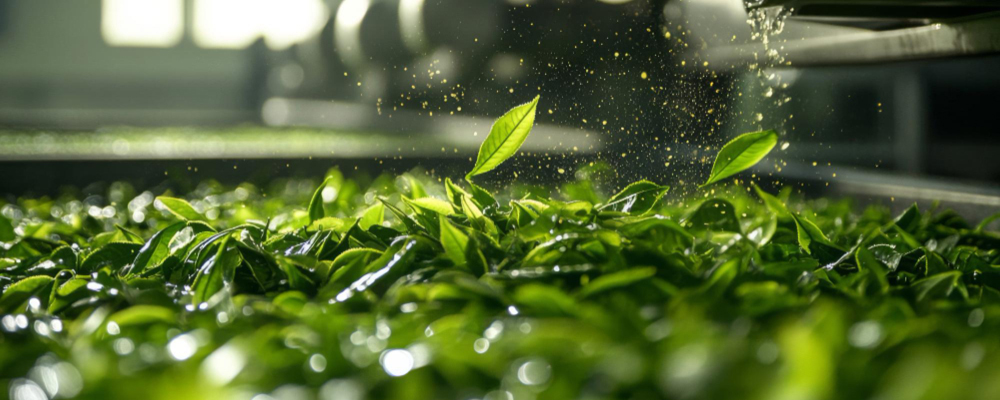
One of the most significant benefits of controlled enzymatic oxidation is consistency. Uniform enzyme activity ensures that desirable compounds are formed at optimal levels across batches. This leads to stable colour intensity, balanced astringency and enhanced aroma.
Consistent oxidation also improves blending efficiency. When base teas exhibit predictable characteristics, blending becomes more precise, reducing the need for corrective adjustments and lowering material losses.
Improving Processing Efficiency and Yield
Enzyme assisted oxidation can reduce processing time by accelerating reactions under controlled conditions. Faster and more predictable oxidation shortens production cycles, improving throughput without compromising quality.
Additionally, improved reaction efficiency means better utilisation of raw leaves. Higher conversion of polyphenols into flavour active compounds enhances perceived quality even from variable leaf grades, helping processors maximise yield from available resources.
Supporting Sustainable Tea Manufacturing
Sustainability is becoming a defining factor in tea production. Controlled enzymatic oxidation supports this goal by reducing dependency on prolonged withering and environmental manipulation. Shorter processing times translate into lower energy consumption and reduced water usage.
Enzymatic processes also minimise the need for corrective reprocessing, which often increases waste and operational costs. By enabling right first time production, enzymes contribute to cleaner and more resource efficient tea manufacturing practices.
Meeting Global Quality Expectations
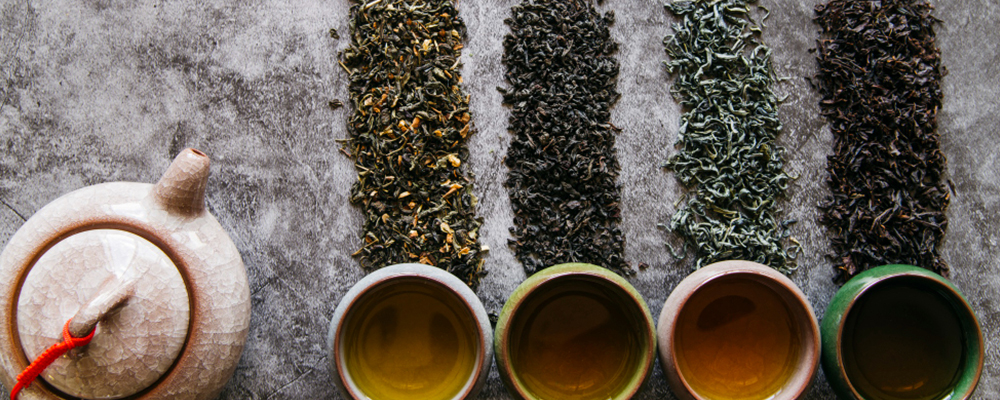
International tea buyers increasingly demand consistency, traceability and process control. Enzyme enabled oxidation aligns well with these expectations by offering measurable and reproducible outcomes.
For Indian tea producers supplying export markets, controlled enzymatic oxidation provides a competitive advantage. It supports standardisation while still allowing differentiation through controlled process variables rather than reliance on unpredictable external factors.
Enabling Innovation in Specialty and Value Added Teas
The growing demand for specialty teas, including premium black teas, oolong teas and innovative blends, requires precise oxidation control. Enzymes enable processors to experiment with oxidation levels and flavour development in a controlled manner.
This flexibility opens opportunities for product diversification and value addition. Rather than being constrained by traditional processing limits, tea suppliers can explore new profiles that cater to evolving consumer preferences.
Conclusion
The future of tea processing is increasingly defined by precision, consistency and sustainability. Controlled enzymatic oxidation represents a significant advancement over traditional methods, offering tea producers the ability to manage flavour development, colour formation and aroma with scientific accuracy. By reducing variability, improving efficiency and supporting environmentally responsible operations, enzymes are reshaping how quality tea is produced in India and beyond.
Within this evolving framework, Biolaxi Enzymes plays a role in supporting tea processors with carefully developed enzyme solutions that enable controlled oxidation, helping producers achieve consistent excellence while aligning with modern quality and sustainability expectations.