
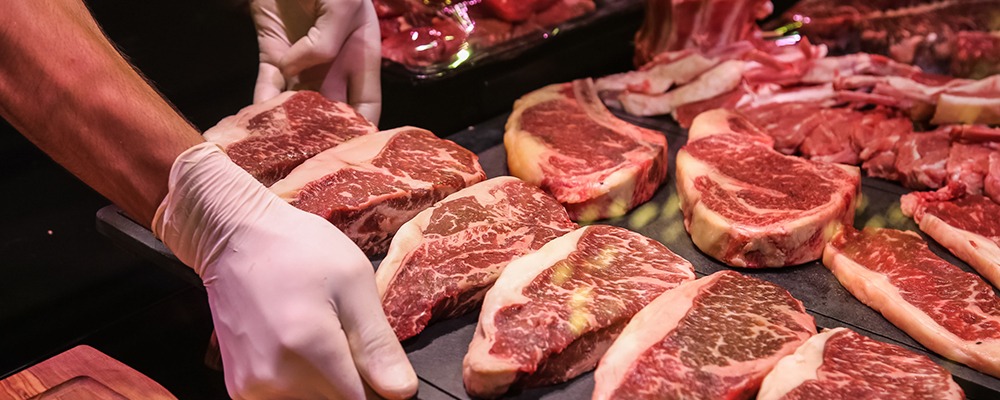
Recreating the unmistakable bite, chew and succulence of meat has become one of the most complex challenges in modern food innovation. As consumer interest grows in plant based, hybrid and alternative protein products, expectations around texture have risen sharply. Taste alone is no longer sufficient. Mouthfeel, fibre structure and the way a product responds to cooking now define whether a meat alternative succeeds or fails in the market.
At the centre of this transformation lies enzyme technology. Once viewed as quiet processing aids, enzymes have moved into the spotlight as strategic tools that allow food innovators to engineer texture with remarkable precision. Their ability to modify proteins, carbohydrates and fats at a molecular level has opened new pathways for achieving authenticity without compromising clean label aspirations or processing efficiency.
Understanding what makes meat feel like meat
The sensory experience of meat is the result of a highly organised protein matrix. Muscle fibres, connective tissues and fat are arranged in a way that delivers resistance, elasticity and juiciness in every bite. When heated, this structure changes in predictable ways, creating the familiar firmness and chew that consumers associate with quality meat.
Plant and alternative proteins behave very differently. Pea, soy, wheat and other sources lack the natural alignment and bonding found in animal muscle. Without intervention, products made from these proteins can feel crumbly, rubbery or overly soft. This gap between expectation and reality is where enzymes prove invaluable.
Enzymes as texture architects
Enzymes function as biological catalysts that can selectively modify food components. In texture development, their role is less about speed and more about control. By targeting specific bonds within proteins or polysaccharides, enzymes help create structures that mimic the layered complexity of meat.
Proteolytic enzymes, for instance, can gently restructure plant proteins, improving their ability to bind water and form cohesive networks. This results in a firmer bite and improved juiciness. Cross linking enzymes can encourage proteins to bond with one another, enhancing elasticity and chew. In carbohydrate rich matrices, enzymes help adjust viscosity and gel strength, contributing to a more meat like mouthfeel.
What makes enzymes especially attractive is their precision. They work under defined conditions and are deactivated once their role is complete, leaving no active residue in the final product.
Authenticity without artificiality
Modern consumers are highly sceptical of overly engineered foods. While they demand performance, they also scrutinise ingredient lists. Enzymes offer a unique advantage in this respect. They enable functional improvements without relying on synthetic texturisers or excessive additives.
Because enzymes are processing aids rather than end ingredients, they align well with clean label strategies. They allow formulators to achieve complexity through natural biochemical processes rather than through a long list of stabilisers and gums. This balance between functionality and transparency is one of the key reasons enzymes have gained traction among forward thinking food brands.
Enhancing processing efficiency
Texture is not the only concern for food innovators. Scalability and consistency are equally critical. Enzymes help standardise production by reducing variability in raw materials. Plant proteins can differ significantly based on crop quality, origin and processing history. Enzymatic treatment helps normalise these differences, ensuring consistent performance batch after batch.
From a processing perspective, enzymes can also reduce mechanical stress. Instead of relying solely on high shear or intense extrusion to force structure into a product, enzymes support gentler processing conditions. This often translates into better energy efficiency and improved retention of flavour and nutritional value.
Supporting innovation across product formats
The versatility of enzymes allows them to support a wide range of meat inspired products. In minced and ground style alternatives, enzymes improve binding and juiciness. In whole cut analogues, they assist in fibre formation and layered structure. Even in hybrid products that combine plant and animal proteins, enzymes help harmonise textures and improve overall eating quality.
This adaptability is particularly valuable as food innovators explore new formats such as ready to cook meals, frozen products and high moisture applications. Enzymes perform reliably across different matrices, giving developers the confidence to experiment without sacrificing quality.
A science driven approach to sensory excellence
Texture development is no longer a trial and error exercise. It is increasingly guided by food science, sensory analysis and engineering expertise. Enzymes fit naturally into this approach. Their effects can be measured, optimised and replicated, making them ideal tools for structured innovation.
Research and development teams are now working closely with enzyme specialists to tailor solutions for specific applications. Instead of using generic formulations, innovators are selecting enzyme systems that align with their protein sources, processing conditions and desired sensory outcomes.
Meeting evolving consumer expectations
The rise of alternative proteins is driven by multiple factors including sustainability, health and ethical considerations. However, repeat purchase is driven by enjoyment. If a product fails to deliver a satisfying texture, even the most compelling brand story will struggle to retain consumers.
Enzymes help bridge this gap by bringing products closer to the sensory benchmarks set by conventional meat. They allow brands to meet high expectations without compromising on values or operational feasibility. In doing so, they play a quiet but decisive role in shaping the future of food.
The future of texture innovation
As the food industry continues to evolve, the demand for authenticity will only intensify. Texture will remain a defining factor in consumer acceptance, particularly as new protein sources enter the market. Enzymes, with their adaptability and precision, are well positioned to remain at the forefront of this evolution.
Advancements in enzyme engineering and application knowledge will further expand what is possible. From improved fibre alignment to enhanced cooking performance, the next generation of enzyme solutions promises even greater realism and control.
Conclusion
The pursuit of authentic meat texture has become a defining challenge for food innovators navigating the alternative protein landscape. Enzymes have emerged as powerful enablers, offering a science led way to recreate the complexity of meat while supporting clean labels, processing efficiency and consistent quality. Their ability to quietly shape structure and mouthfeel makes them indispensable tools in modern food formulation.
This is where expertise in enzyme science truly matters. Biolaxi Enzymes brings together scientific insight, engineering know how and application focused development to support food innovators striving for excellence in texture and performance. By delivering customised enzyme solutions tailored to real world processing needs, Biolaxi continues to help brands transform ambition into authentic eating experiences.